The world is facing a severe environmental crisis. Greenhouse gas emissions from industries, especially the construction sector are major contributors that demand urgent action. As a leader in construction material innovation in Thailand, SCG is committed to achieving Net Zero Emissions by 2050. This commitment is reflected in the continuous development of technologies, materials, and ideas that help minimize environmental impact.
One of SCG’s key innovations is SCG Low-Carbon Structural Cement, developed by SCG and introduced to global markets through SCG International. This solution aims to set a new benchmark for the construction industry across Asia and beyond.
SCG's Innovation for Net Zero
SCG has always prioritized reducing environmental impact. The company has set clear targets to lower greenhouse gas emissions in its production processes and is one of Thailand’s leading corporations actively pursuing Net Zero. SCG Low-Carbon Structural Cement is not merely an alternative but a catalyst for shifting the construction industry toward a sustainable future.
This low-carbon cement doesn’t just reduce carbon emissions during production, it maintains strength and durability. Globally, SCG International plays a key role in scaling this carbon-friendly mortar to international markets, allowing countries in Asia and other regions access to sustainable building materials.
What Is Low-Carbon Mortar?
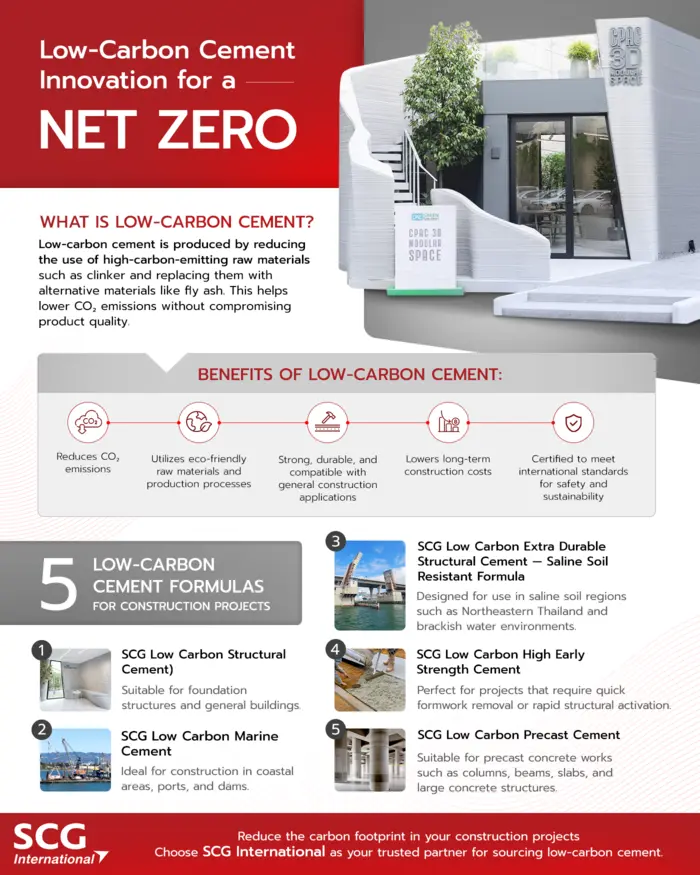
Low-carbon cement refers to cement produced by minimizing the use of high-carbon materials like clinker and replacing them with alternative materials such as fly ash or industrial waste that help reduce CO₂ without affecting the product’s quality.
Understanding what low-carbon mortar is key to addressing sustainability challenges. Producing low embodied carbon cement significantly reduces environmental impact. In fact, the cement industry accounted for approximately 8% of global CO₂ emissions in 2022.
Cement remains a vital material in residential, commercial, and infrastructure construction. Thus, the innovation of low-carbon cement represents one of the most sustainable ways to reduce environmental damage.
Key Features of SCG Low-Carbon Structural Cement
Low-carbon mortar innovation reflects a commitment to environmental stewardship in construction and highlights key low-carbon mortar benefits for sustainable building practices.
1) Reduces CO₂ emissions by 10–30% compared to conventional Portland cement
2) Uses environmentally friendly raw materials and production processes, along with clean energy, to reduce greenhouse gas emissions at every stage.
3) Strong and durable, compatible with various construction types. It comes in a variety of formulas suitable for different types of construction or specific areas, such as coastal zones or saline soil regions.
4) Long-lasting with reduced maintenance needs, lowering long-term construction costs
5) Internationally certified for safety and sustainability, eligible for LEED and TREES green building credits
How to Select the Right Low-Carbon Cement
SCG has developed various formulas of low-carbon structural cement tailored for different applications. Buildings using this low-carbon cement technology may also qualify for green building certifications like LEED and TREES.
1) SCG Low Carbon Structural Cement
Hydraulic cement for general construction (General Use: GU), formulated with materials science and hybrid technology, combining clinker, gypsum, calcium components, and strength-enhancing additives. Suitable for foundations and general structures.
2) SCG Low-Carbon Extra Durable Structural Cement : Saline Soil Resistant Formula
A pozzolanic Portland cement engineered to resist chloride and sulfate corrosion. Ideal for use in Northeastern Thailand and brackish areas, it helps protect steel reinforcement and reduces cracking caused by salt accumulation.
3) SCG Low Carbon Marine Cement
Portland pozzolanic cement is designed to withstand salt exposure, making it ideal for coastal construction like ports and dams in marine environments.
4) SCG Low Carbon High Early Strength Cement
Type 3 Portland cement that rapidly develops compressive strength. Perfect for projects requiring quick form removal or early structural use, including factory floors, precast concrete, piles, and electric poles.
5) SCG Low-Carbon Casting Cement
Type 1 Portland cement with high compressive strength. Ideal for casting columns, beams, slabs, and large structural components. Delivers smooth, dense finishes with enhanced flowability and fewer air bubbles.
Success Story : 3D Modular Project Using Low-Carbon Mortar
SCG is dedicated to developing high-performance building materials that minimize environmental impact. This vision is embodied in its SCG Low-Carbon Structural Cement, a core driver of the shift toward green construction.
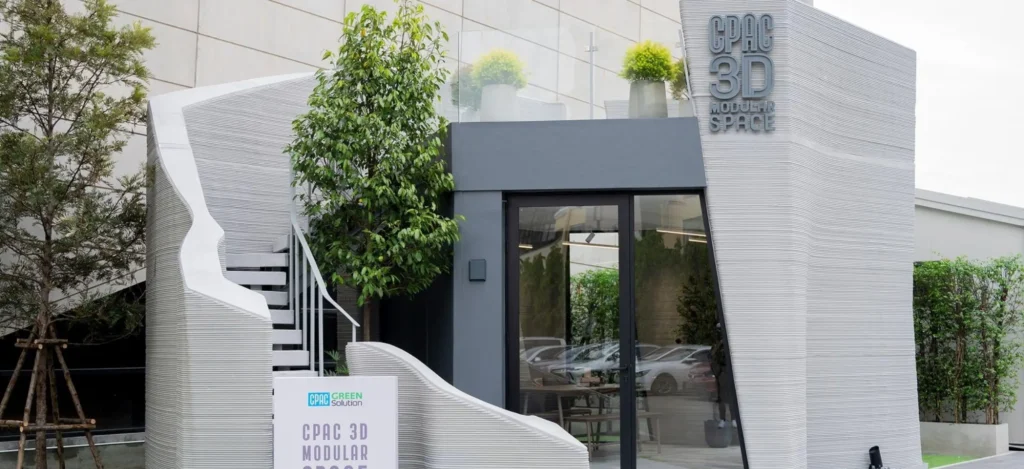
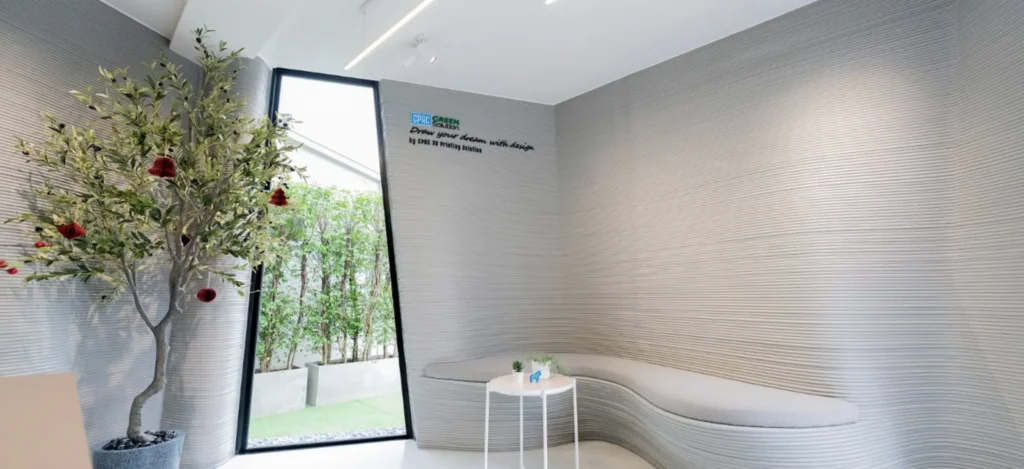
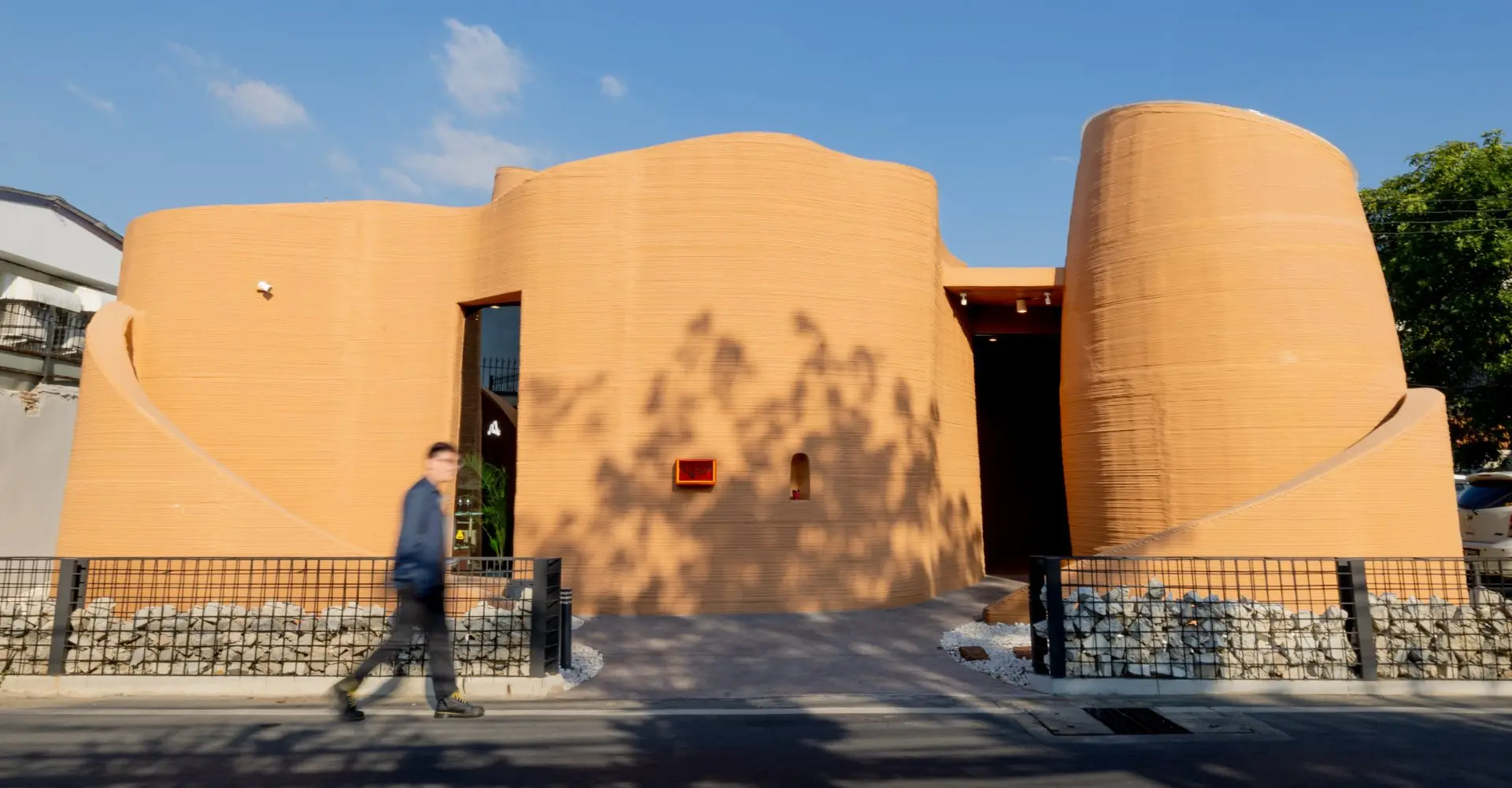
This innovation goes beyond standard use. It has been tested and showcased in the groundbreaking 3D Modular Project, combining 3D printing technology with low-carbon mortar to create modern, energy-efficient structures with a significantly reduced carbon footprint.
Using low-carbon mortar in combination with 3D printing technology not only significantly reduces CO₂ emissions but also minimizes material waste and shortens construction time by up to 48% compared to traditional methods. It also reduces on-site labor and redundant transportation of materials—all of which contribute to lower construction costs and reduced environmental impact.
This project exemplifies the power of sustainable innovation and demonstrates that eco-conscious building is both achievable and efficient without compromising engineering standards.
SCG International : Expanding Low-Carbon Cement to the World
SCG International is your trusted partner in sourcing and delivering sustainable construction materials, especially low-carbon mortar. Developed by SCG, a leading Low-Carbon Cement manufacturer, these innovative solutions are now available globally via a comprehensive supply chain.
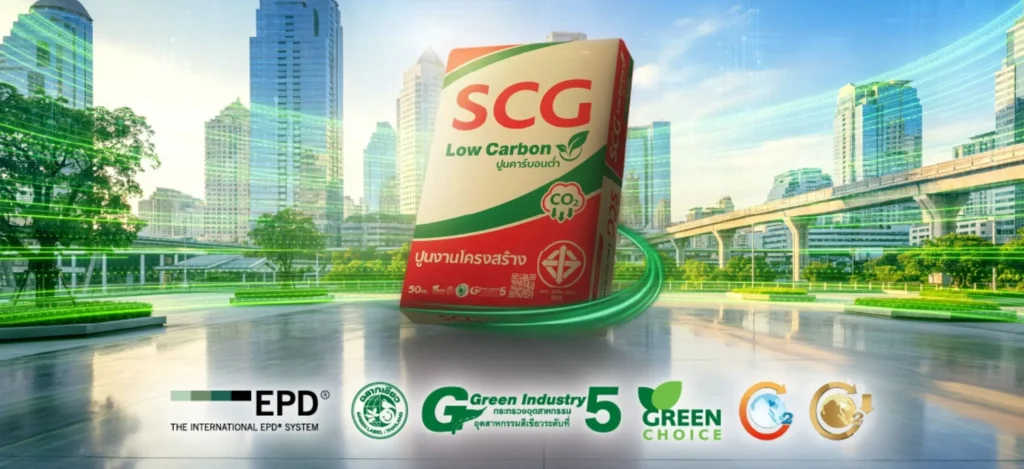
1) The product is certified to meet quality standards, including the new Thai Industrial Standard (TIS 2594-2567), SCG Green Choice, EPD International (Environmental Product Declaration), CFP (Carbon Footprint of Product), and CFR (Carbon Footprint Reduction), ensuring both product quality and sustainability in line with national and international standards.
2) Suitable for both small-scale and large-scale construction projects.
3) Timely delivery with efficient supply chain management.
For more information about SCG’s low-carbon structural cement innovation, feel free to consult with our experts or contact SCG International.
Learn when to replace your roof in Australia, understand the difference between repair and re-roofing, compare concrete, terracotta and metal roofing, and make a confident decision for your home.
Considering 3D printed construction for your next project? Learn how to evaluate buildability, design complexity, and material fit before choosing a building method — Get expert insights from SCG.
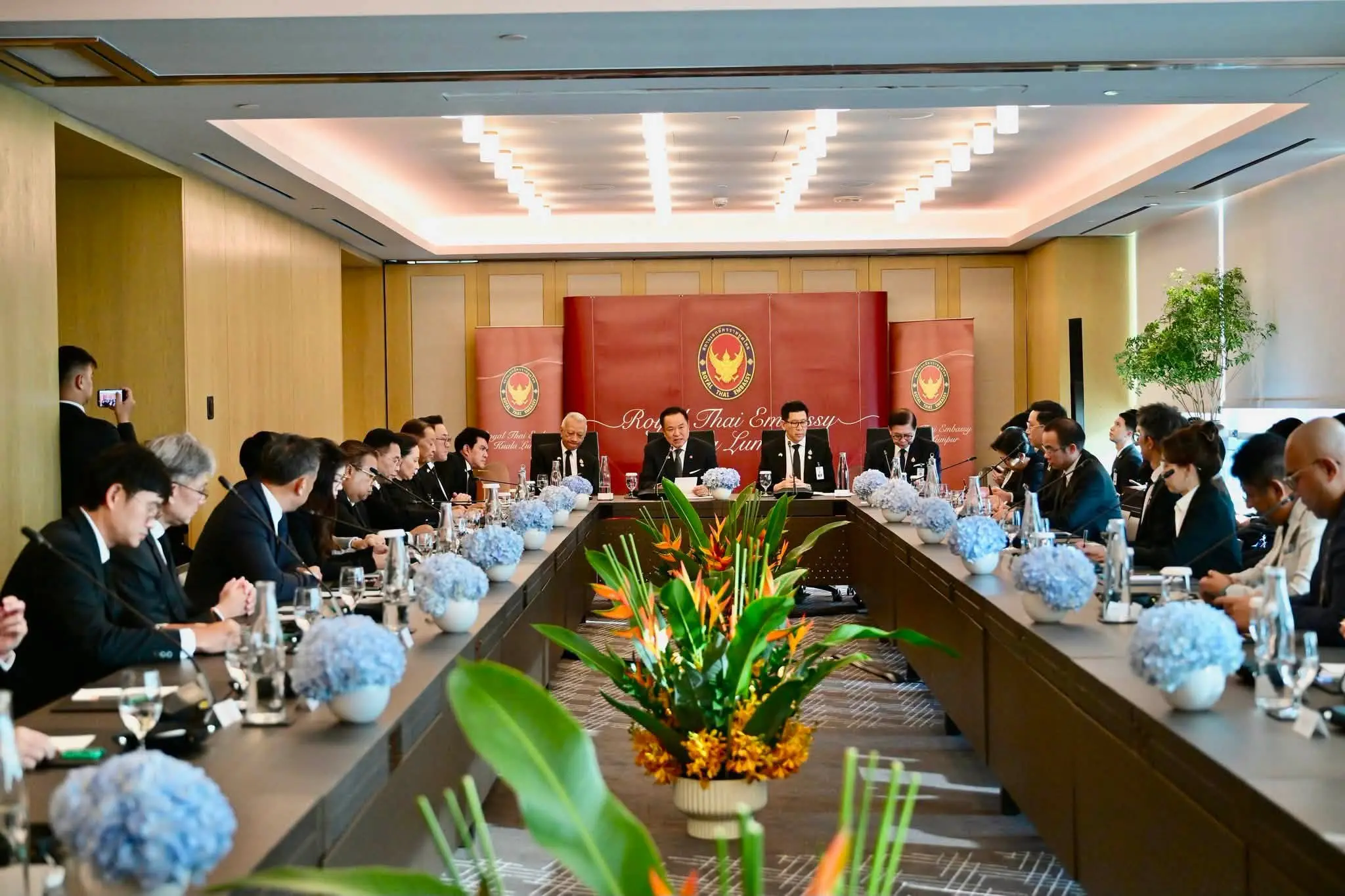
On 9 July 2026,SCG INTERNATIONAL (Malaysia) Sdn. Bhd., represented by Ms. Chomplearn Sumethasorn, Malaysia Office Manager, ASEAN Region, participated in the Prime Minister’s Dialogue with the Thai Business Community in Malaysia, organized by the Royal Thai Embassy in Kuala Lumpur during the official visit of H.E. Mr. Anutin Charnvirakul, Prime Minister and Minister of Interior of Thailand
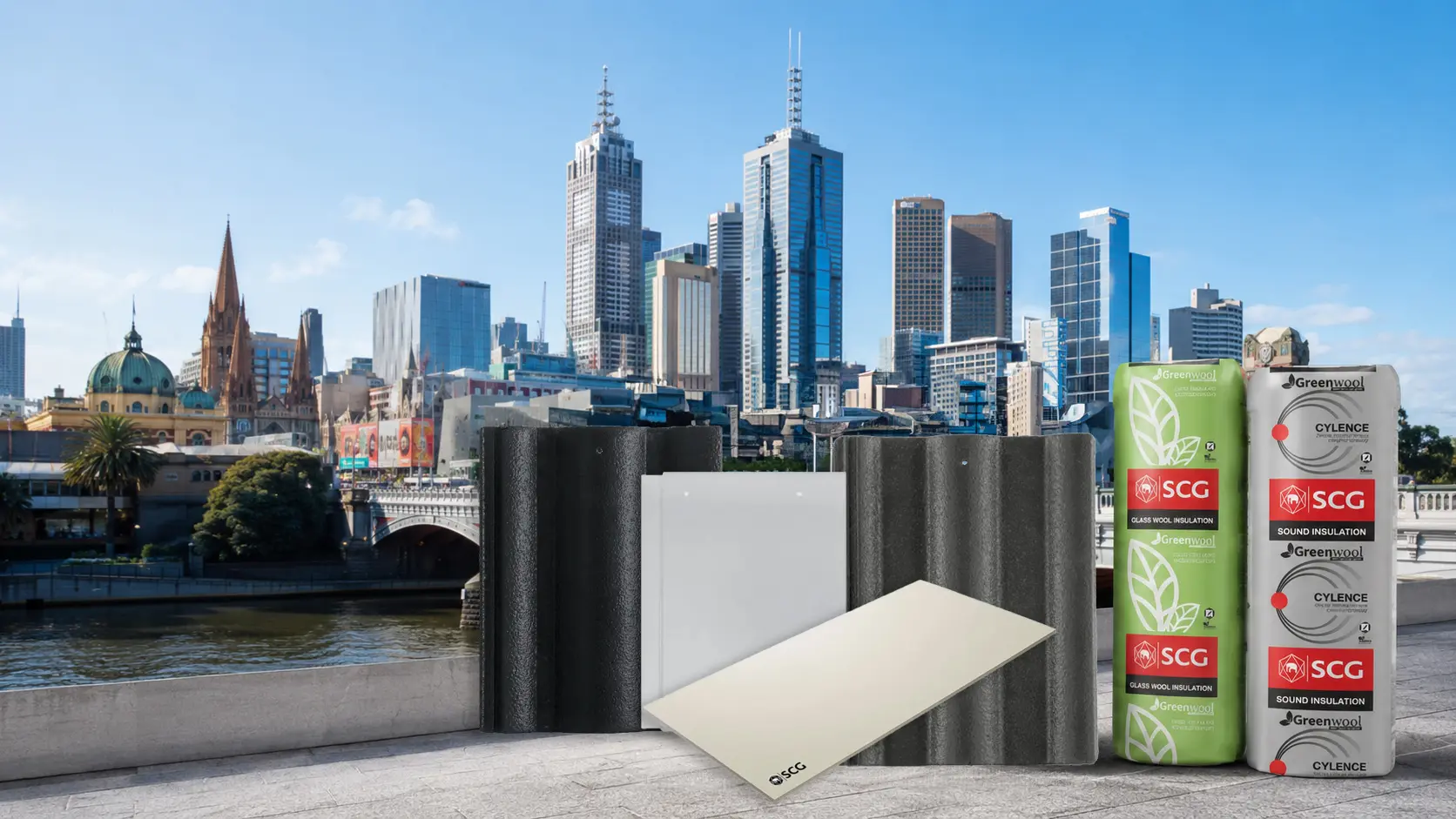
In this guide, we go inside how the SCG International Australia office operates in 2026, the product range it supports, and why “high-quality manufacturer” isn’t just a tagline — it’s the operational model behind every shipment that lands on an Australian job site.