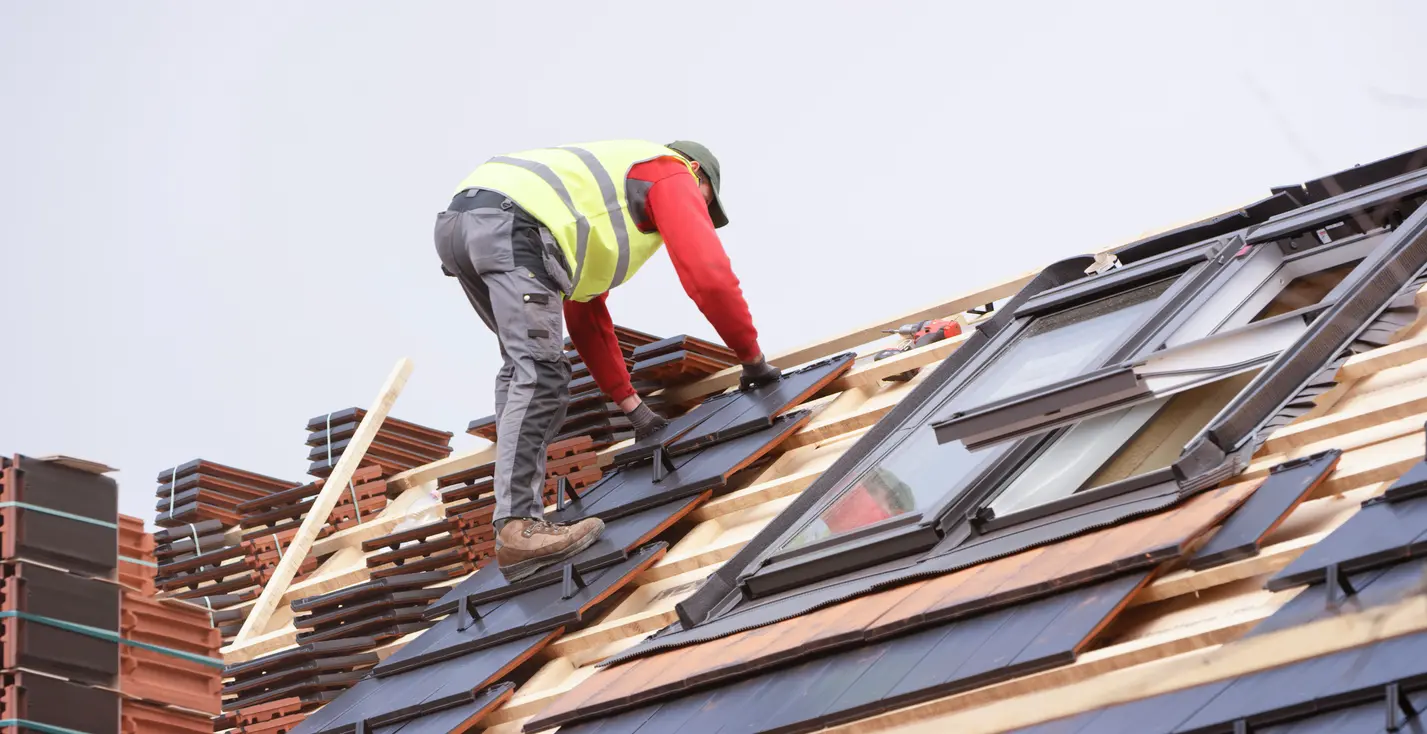
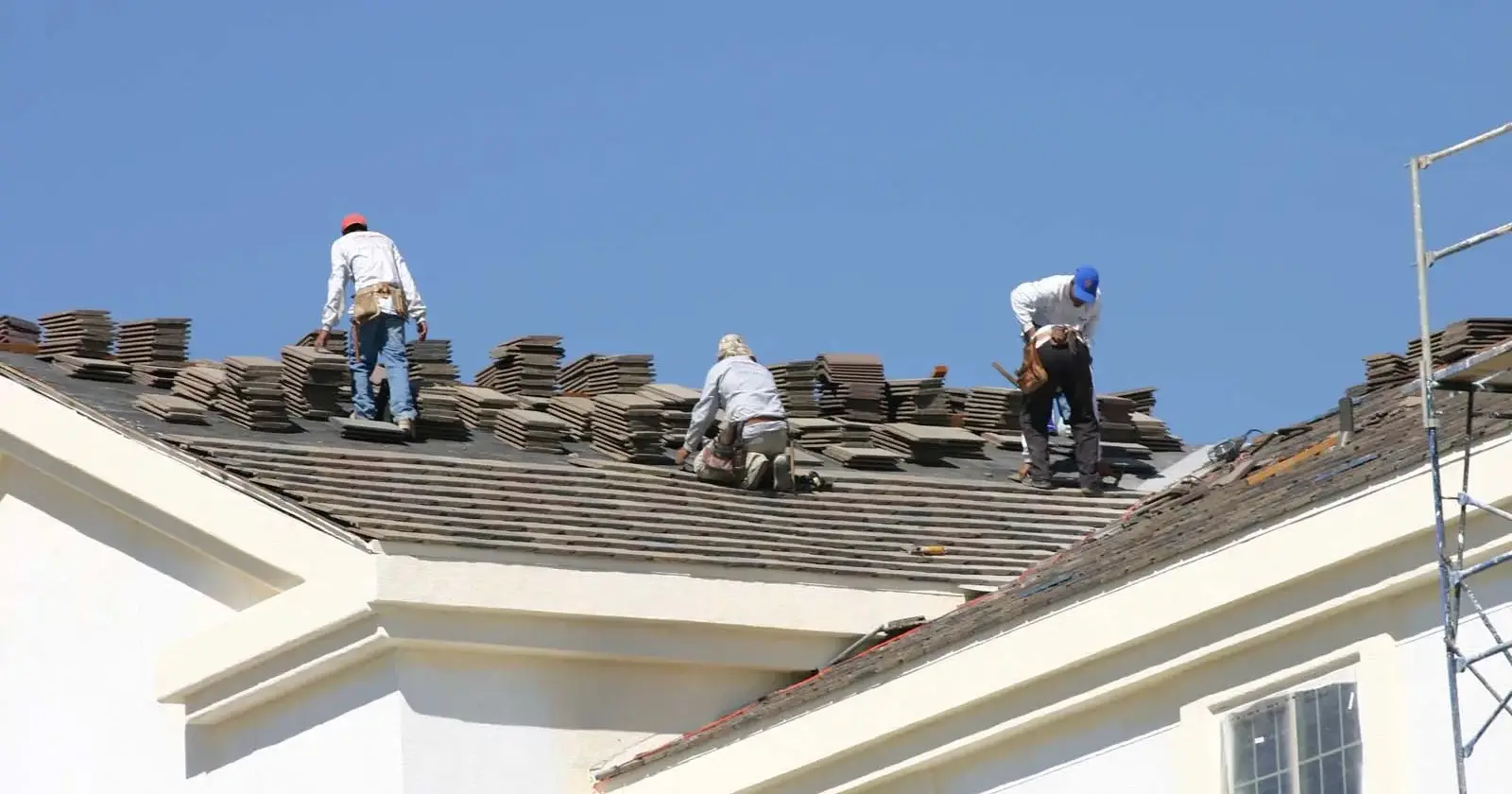
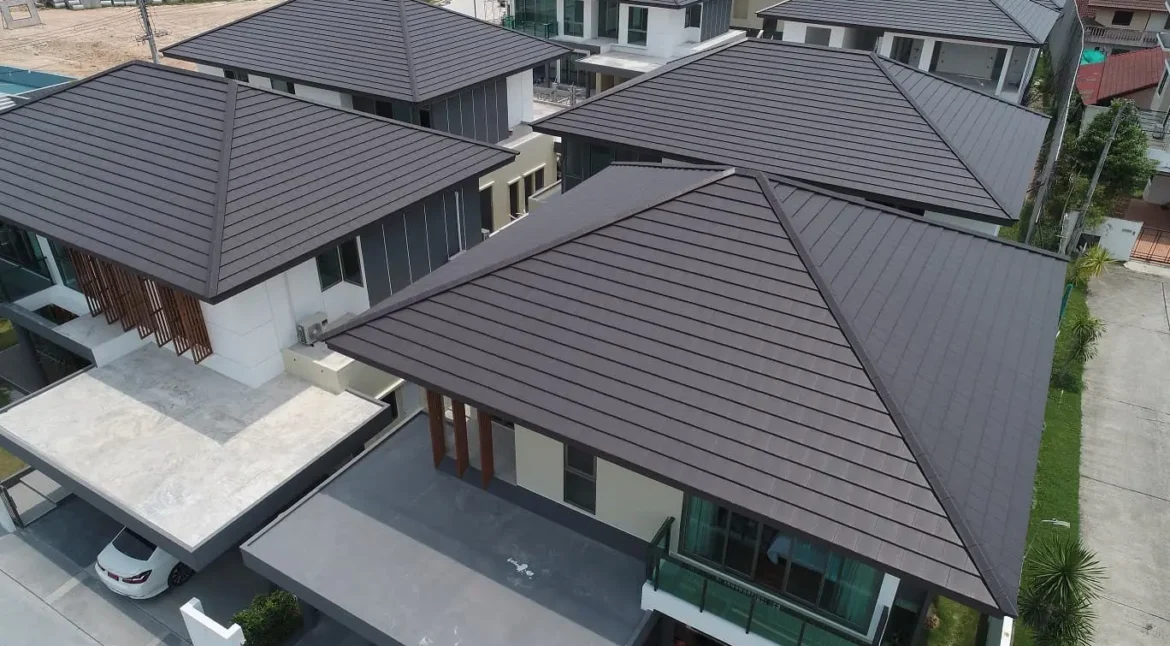
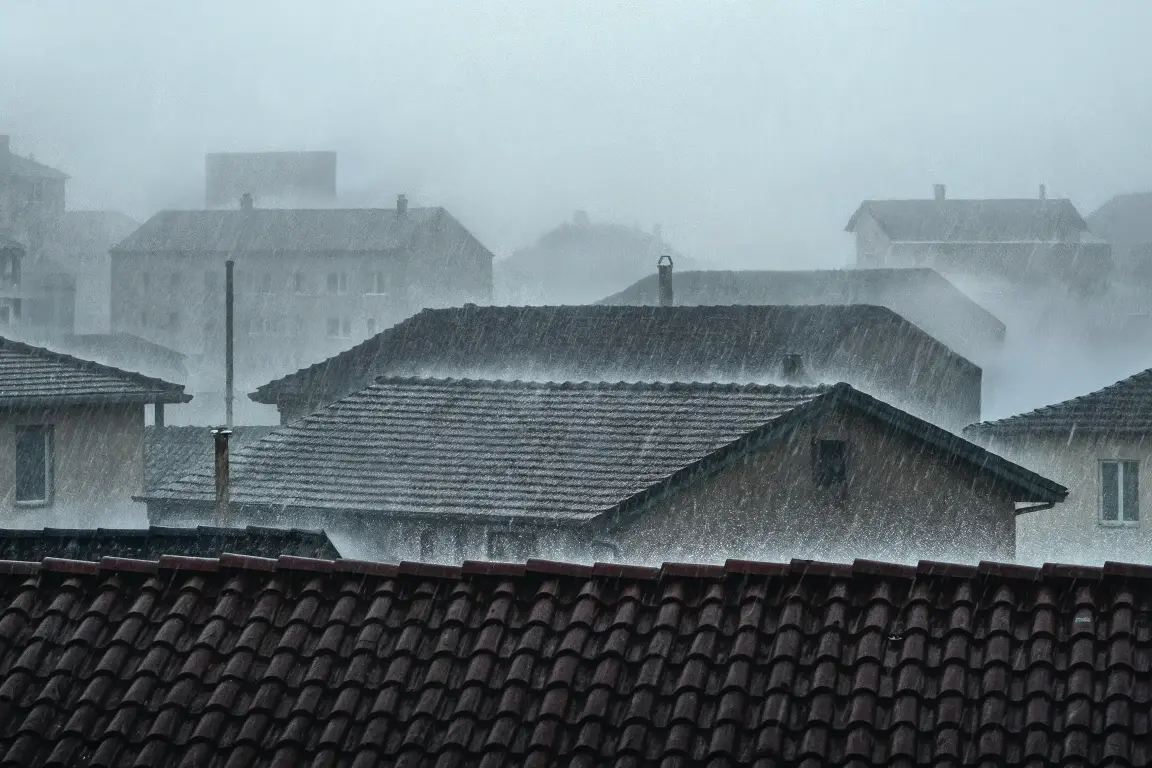
There’s no single answer for every home — it depends on the roof’s age, the level of damage, the material, the climate, and your plans for the property. Still, a few signs point clearly toward re-roofing.
– Repeated leaks. One small leak doesn’t always mean you need a new roof, but leaks in different rooms, water stains, damp insulation, or mould near the roofline suggest a bigger, ongoing problem.
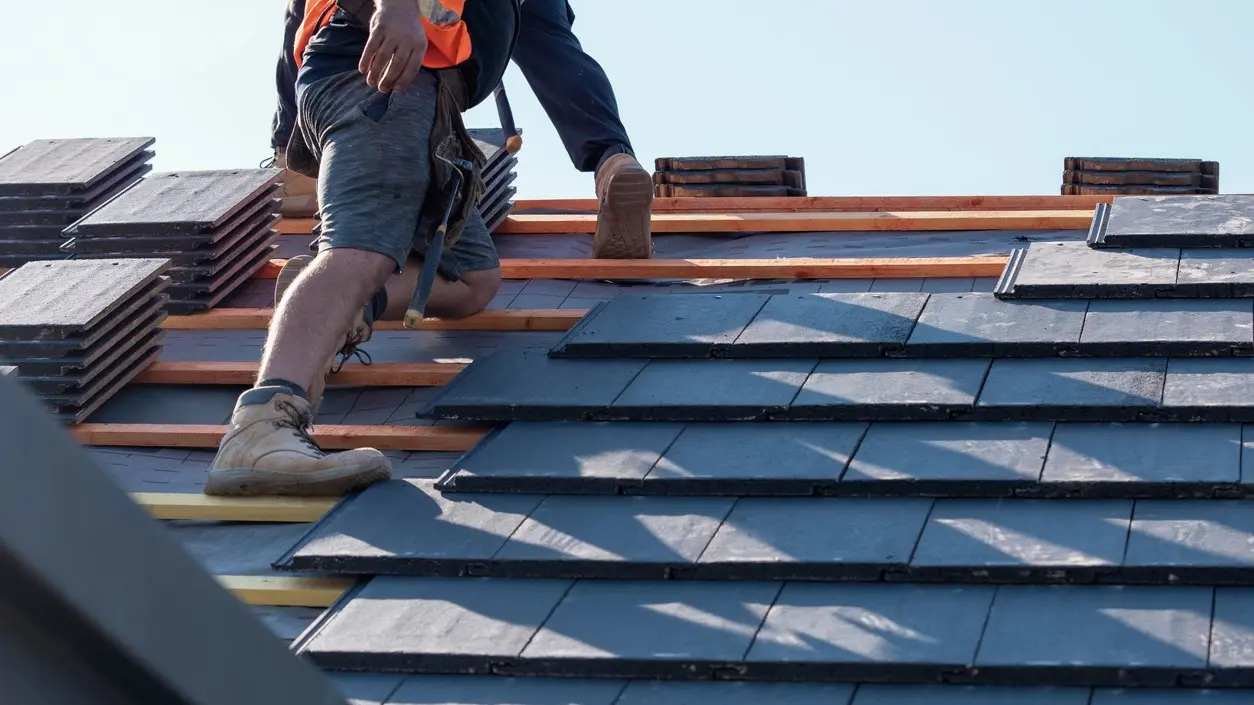
– Widespread tile damage. A few broken tiles are an easy fix. But when large areas have cracked, chipped, or missing tiles, patch repairs may only delay the inevitable. This matters a lot when thinking about when to replace roof tiles Australia, since hail, strong sun, salty air, and storms all speed up wear.
– Failing ridge capping. Ridge caps seal the roof and hold tiles in place. Minor issues can be repointed, but widespread failure across an old roof usually signals the whole system needs attention.
– Sagging or uneven roof lines. Dips, waves, or uneven areas can point to damaged battens, frame movement, or water damage, and should always be checked by a professional.
– End-of-life materials. Older roofs can have brittle tiles, outdated fixings, or hidden damage. If repairs keep piling up, re-roofing usually offers better long-term value.
– Rising energy bills. Poor ventilation, damaged sarking, and small gaps can affect comfort. A re-roof lets you upgrade the whole system, not just the surface.
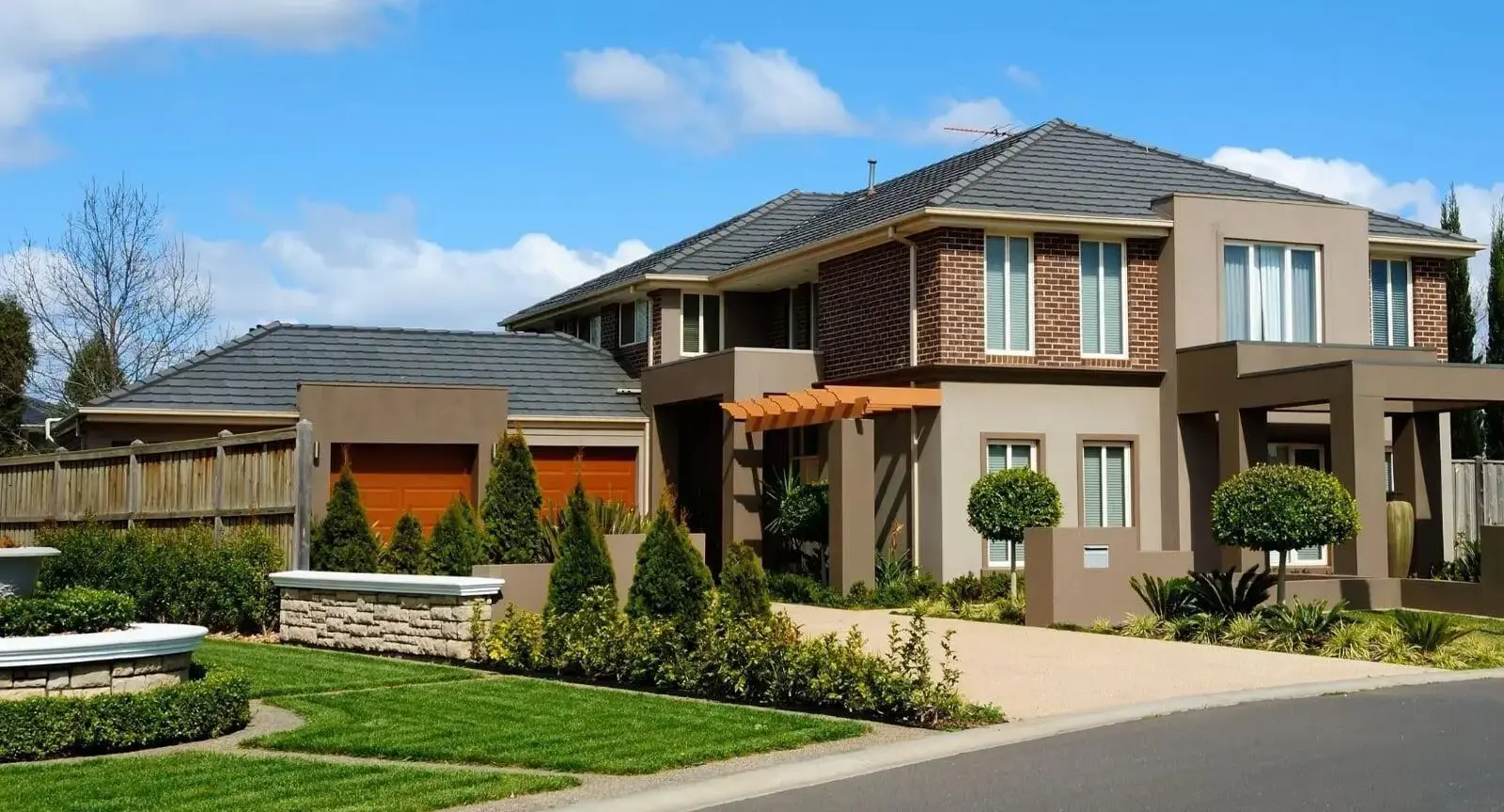
– Renovating or selling. A worn roof can make a well-kept home look neglected. Replacing it first can lift street appeal and buyer confidence.