Key takeaways
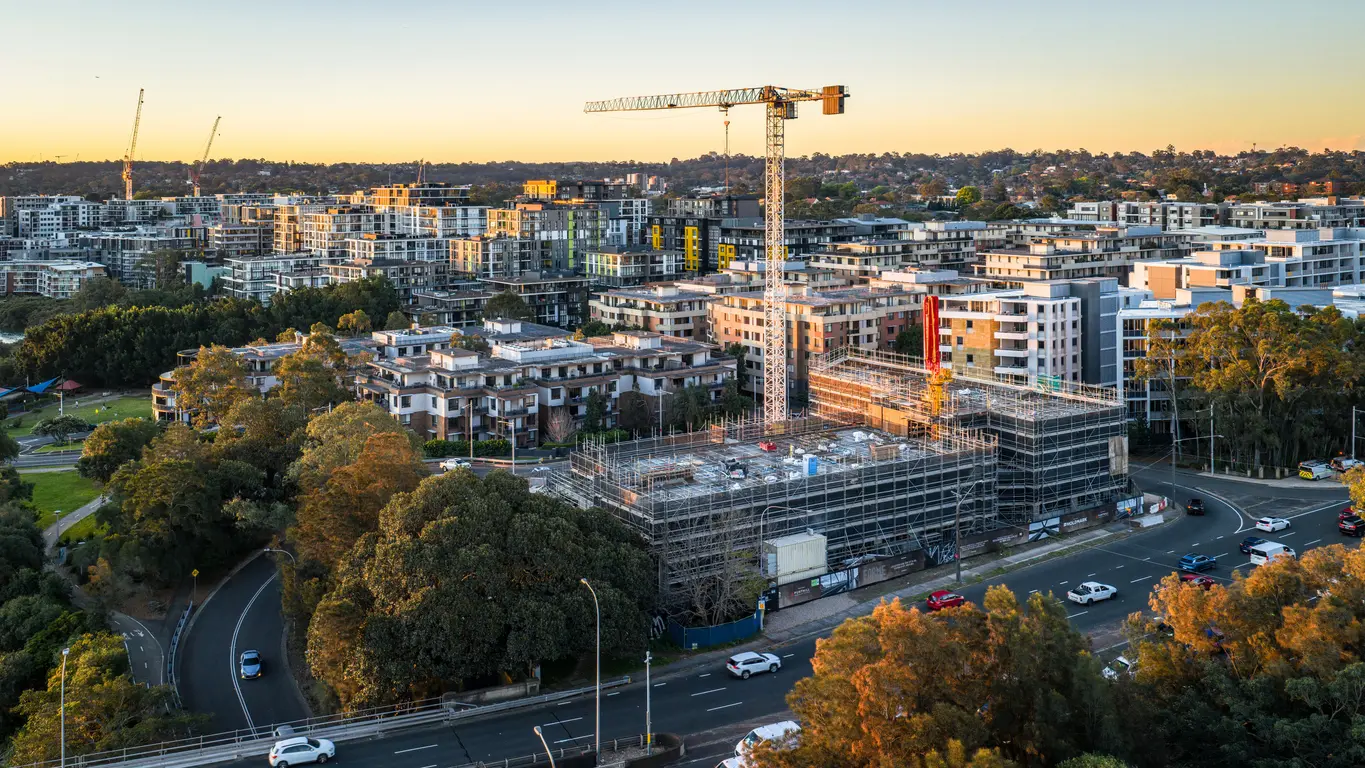
The construction landscape in Victoria is evolving rapidly. With urban development expanding and residential projects consistently breaking ground, the demand for high-quality construction materials has never been more intense. For businesses operating within this fast-paced ecosystem, securing a robust, agile, and cost-effective supply chain is no longer just an operational goal—it is a critical capability for every building supply distributor.
Inconsistent deliveries, fluctuating wholesale costs, and variable product quality can quickly create pressure across the entire chain—from suppliers of construction materials to contractors on site. That’s why many Melbourne businesses focus on improving procurement discipline, inventory planning, and supplier alignment rather than relying on anecdotal “before and after” stories without verified data.
The Complex Landscape of Melbourne Building Material Distribution
Melbourne building material distribution is a highly competitive sector. Distributors sit in the middle of the supply chain, acting as the bridge between manufacturers and local construction firms.
When sourcing building materials Melbourne-wide from multiple vendors, distributors can face avoidable friction, including:
– Margin pressure: Volatile freight and wholesale pricing can make it harder to forecast margins and quote confidently.
– Inventory risk: Unreliable supply can lead to over-ordering and higher carrying costs, tying up cash and warehouse space.
– Project disruption: Stock-outs and delivery variability can impact job-site timelines and create rework or rescheduling costs.
For many teams, the goal becomes wholesale construction supply chain optimization—reducing variability and improving planning—while maintaining compliance with Australian building codes and customer expectations.
What to Look For in a Building Materials Supplier
Whether you are a building supply distributor, a builder, or a procurement manager, choosing the right building materials supplier is about more than unit price. A practical evaluation often includes:
– Product suitability and compliance: Clear specifications, performance documentation, and alignment with relevant Australian standards.
– Consistency and quality control: Predictable product consistency that helps reduce on-site issues and callbacks.
– Supply reliability: Realistic lead times, transparent availability, and stable delivery processes.
– Commercial support: Account management, ordering processes, and support that fit distributor workflows.
– Range and availability: A product mix that helps a distributor serve multiple customer segments without excessive supplier sprawl.
For a Melbourne building supplies business, these factors are typically what determines whether a supplier relationship supports long-term growth.
How SCG Supports Melbourne’s Construction Industry
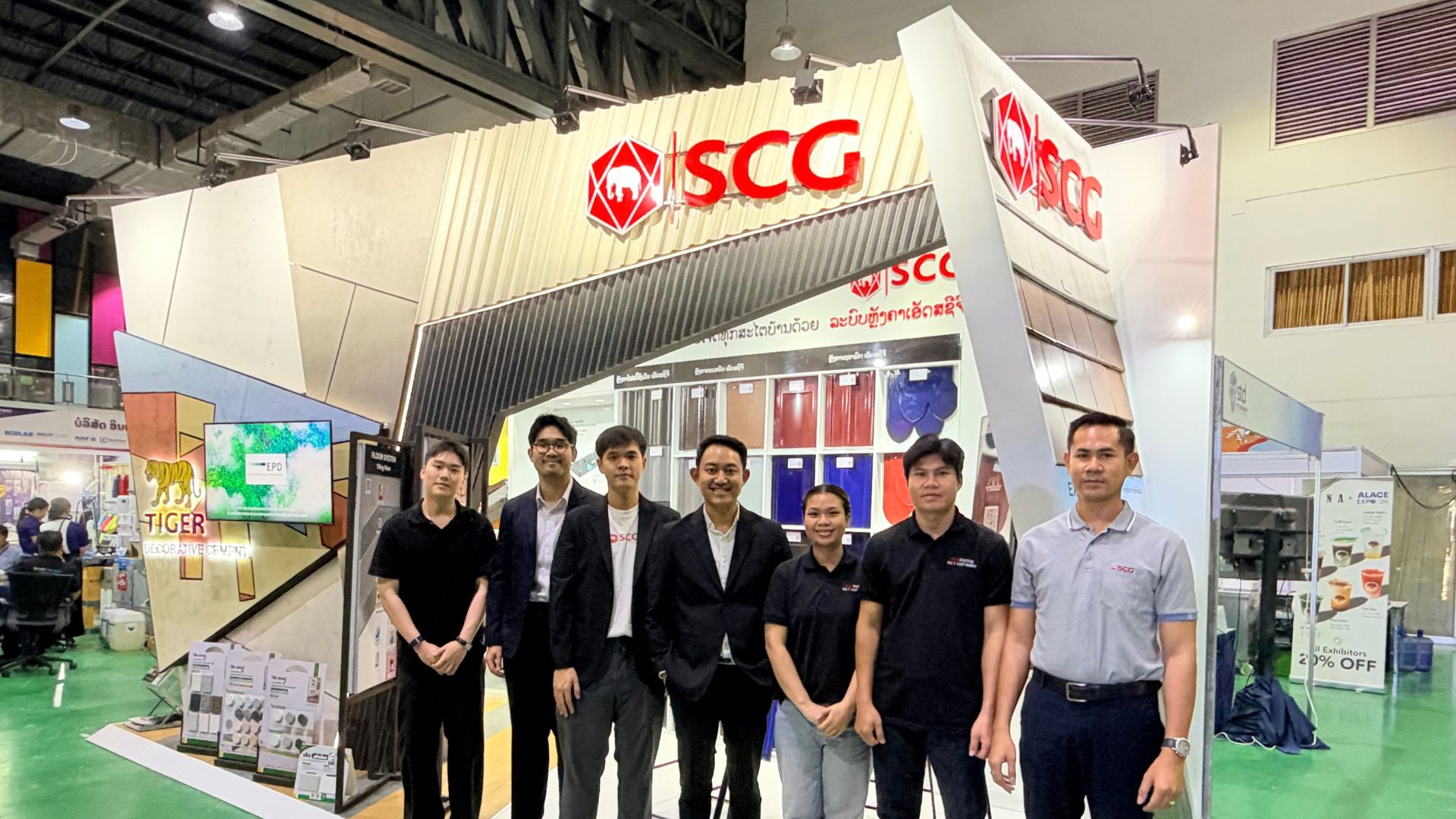
SCG building materials are used across a wide range of construction applications internationally — and as a dedicated building materials supplier in Australia, SCG International supports distributors and builders across Melbourne and beyond.. In the Melbourne context, SCG can support distributors and builders by helping reduce uncertainty in procurement and improving the overall buying experience—especially when paired with strong local distribution practices.
Common areas where a Melbourne distributor scg building supplies partnership can focus include:
– Clear product information: Practical documentation and product guidance to help teams select appropriate materials for the job.
– More predictable procurement: Structured ordering and replenishment practices that can help distributors plan stock levels and reduce last-minute purchases.
– Service and communication: Regular communication on availability, delivery expectations, and changes that affect planning.
– Range alignment: A product portfolio that can support distributors serving residential, commercial, and trade customers.
For teams sourcing building supplies Melbourne contractors rely on, the measurable value typically comes from reduced variability, clearer planning, and fewer operational surprises—not from one-off claims.
Practical Steps to Improve Procurement and Lead-Time Planning (Without Relying on Unverified Case Studies)
If you’re assessing a new supplier or refining your current approach, these steps are commonly used in strategic sourcing for Australian building distributors:
1. Run a procurement audit Review the last 6–12 months of purchasing: price variation, expedited freight, stock-out frequency, return rates, and administrative time. This creates a baseline for a cost-benefit analysis of building material procurement based on your own records.
2. Define service expectations Document what “good” looks like for your business—order cut-off times, minimum order quantities, delivery windows, packaging requirements, and acceptable substitutions—so expectations are clear for any building materials supplier.
3. Phase changes and protect continuity If you are transitioning products (including SCG building materials), do it in phases by category or customer segment. This helps sales teams communicate changes and gives warehouse staff time to align SKUs, storage, and replenishment routines.
4. Strengthen inventory planning Use simple reorder points or a warehouse management system (WMS) to align stock levels to demand. This supports building material inventory management strategies that reduce overstocking while improving service levels.
5. Schedule regular supplier reviews Quarterly check-ins to review demand, product feedback, and supply constraints help maintain transparency and keep both parties aligned.
Why Supplier + Distributor Alignment Matters in Melbourne
Victoria’s variable climate and busy project schedules require materials that are fit for purpose and a supply chain that can keep up. When distributors and suppliers of construction materials align on forecasting, documentation, and delivery expectations, the result is typically better reliability for builders and smoother operations for the distributor.
SCG International Australia can be part of that equation—especially when a local building supply distributor focuses on strong processes around ordering, stock planning, and customer communication.
Final Takeaways
For businesses sourcing building materials Melbourne-wide, the strongest results usually come from disciplined procurement and operational consistency. Focus on verified internal data, clear service expectations, and supplier partnerships that support predictable supply, compliant products, and practical support.
If you’re evaluating SCG building materials in Australia, use a structured assessment—based on your own lead times, costs, and customer requirements—to determine where SCG can best support your business and the broader construction industry in Melbourne.