Search

Re-Roofing a House in Australia: When to Replace & What to Choose

Share this post :

Facebook
LinkedIn
Re-Roofing-a-House-in-Australia

Key takeaways

Re-roofing vs repair depends on scope

Choose a full re-roof when issues are widespread or recurring; use repairs/restoration only for local, structurally sound problems.

The clearest “replace” signals are consistent

Repeated leaks, cracked/missing tiles, failing ridge caps, sagging roof lines, mould, and ongoing repair bills usually point to re-roofing.

Material choice is a trade-off

Concrete is durable but heavy, terracotta looks premium but can be more fragile/costly, and metal is lightweight/quick to install but needs good insulation and the right coastal-grade protection.

Climate should drive the build-up, not just the look

Prioritise ventilation, drainage, storm fixings, insulation, and corrosion resistance based on your region (e.g., Brisbane storms, Sydney coastal air, Melbourne wind/condensation).

A good roofer focuses on the whole system

Ensure they inspect frame and battens, include sarking/flashings/valleys/gutters in scope, provide a detailed written quote, and align the plan with solar and warranty needs.

If your roof looks tired, leaks after storms, or drops broken tiles into the gutter, it might be time to think about more than a quick repair. In most Australian homes, the roof works harder than almost any other part of the house — dealing with hot sun, heavy rain, salty coastal air, hail, strong wind, and years of small movement as the house settles.

Deciding to re-roof can feel like a big step, since it affects your home’s safety, look, comfort, and value. But you don’t need to be an expert to understand your choices. With a bit of simple information, you can spot warning signs, compare materials, and talk to roofers with more confidence.

This guide covers what re-roofing means, when to replace roof tiles australia, and what to consider if you’re choosing concrete tiles, terracotta tiles, or metal roofing.

What Does Re-Roofing Mean?

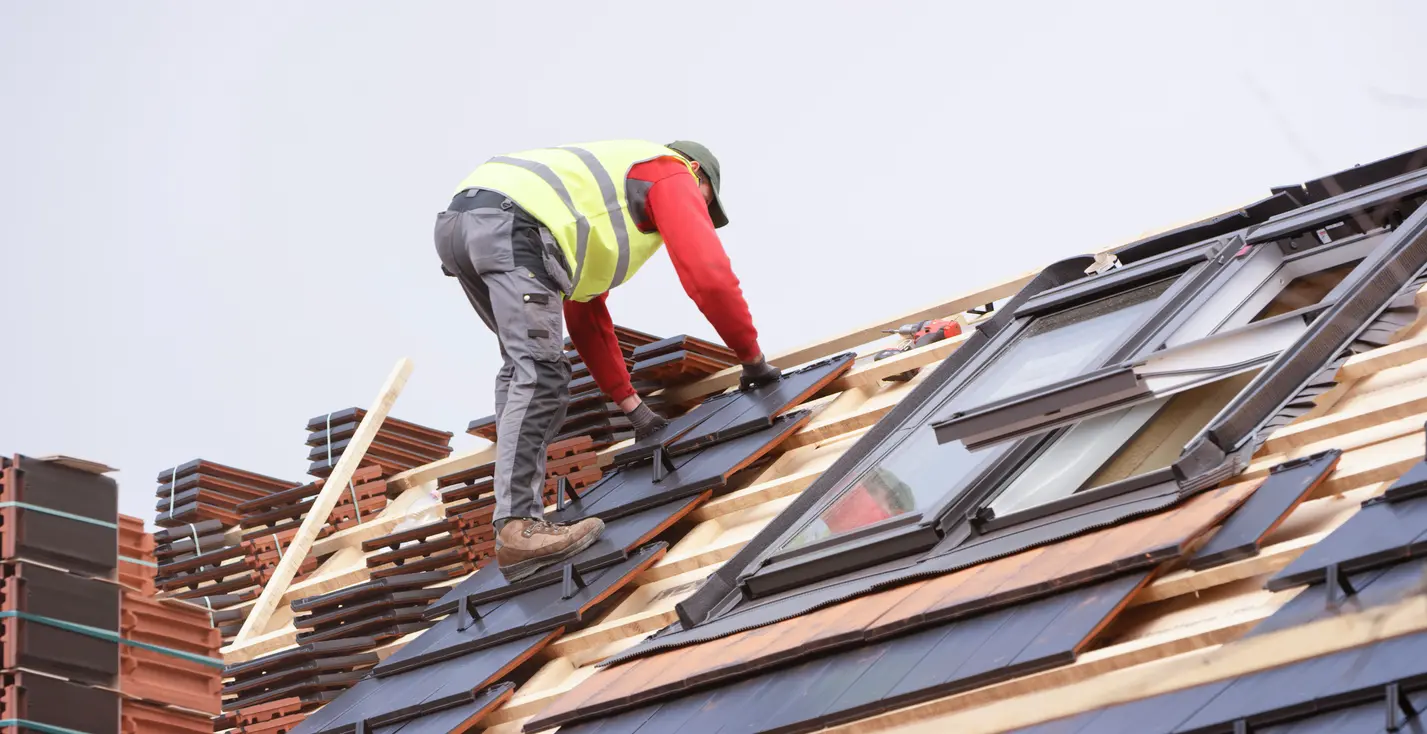
Re-roofing means replacing an old or failing roof with a new one. It usually involves removing the existing roof covering, checking the structure underneath, and installing new materials — including battens, sarking, ridge caps, flashings, and insulation where needed.

Re-roofing is different from a simple repair, which might fix one broken tile or a single leak. It’s also different from restoration, which usually means cleaning, repairing, sealing, and repainting a roof that’s still in good shape. Restoration works well when the roof is sound. Re-roofing is the better choice once the materials are too old, too damaged, or no longer doing their job.

When Should You Replace a Roof Instead of Repairing It?

There’s no single answer for every home — it depends on the roof’s age, the level of damage, the material, the climate, and your plans for the property. Still, a few signs point clearly toward re-roofing.

– Repeated leaks. One small leak doesn’t always mean you need a new roof, but leaks in different rooms, water stains, damp insulation, or mould near the roofline suggest a bigger, ongoing problem.

– Widespread tile damage. A few broken tiles are an easy fix. But when large areas have cracked, chipped, or missing tiles, patch repairs may only delay the inevitable. This matters a lot when thinking about when to replace roof tiles Australia, since hail, strong sun, salty air, and storms all speed up wear.

– Failing ridge capping. Ridge caps seal the roof and hold tiles in place. Minor issues can be repointed, but widespread failure across an old roof usually signals the whole system needs attention.

– Sagging or uneven roof lines. Dips, waves, or uneven areas can point to damaged battens, frame movement, or water damage, and should always be checked by a professional.

– End-of-life materials. Older roofs can have brittle tiles, outdated fixings, or hidden damage. If repairs keep piling up, re-roofing usually offers better long-term value.

– Rising energy bills. Poor ventilation, damaged sarking, and small gaps can affect comfort. A re-roof lets you upgrade the whole system, not just the surface.

– Renovating or selling. A worn roof can make a well-kept home look neglected. Replacing it first can lift street appeal and buyer confidence.


Repair, Restore, or Re-Roof?

Repair suits small, local damage — a few cracked tiles or one leak. It’s the cheapest short-term fix but won’t solve wider ageing issues.

– Restoration suits a roof that’s still structurally sound but needs a refresh — cleaning, replacing broken tiles, repointing ridge caps, sealing, and repainting. It extends service life but won’t fix major cracking, sagging, or water damage.

– Re-roofing is the most complete option, chosen once repairs or restoration aren’t enough. It gives you a new roof covering and the chance to fix hidden problems underneath before they get worse.

Popular Roofing Choices in Australia

concrete-roof-supplier

Most Australian homes use concrete tiles, terracotta tiles, or metal roofing. The best choice depends on your budget, home style, climate, roof pitch, and taste.

Concrete Roof Tiles

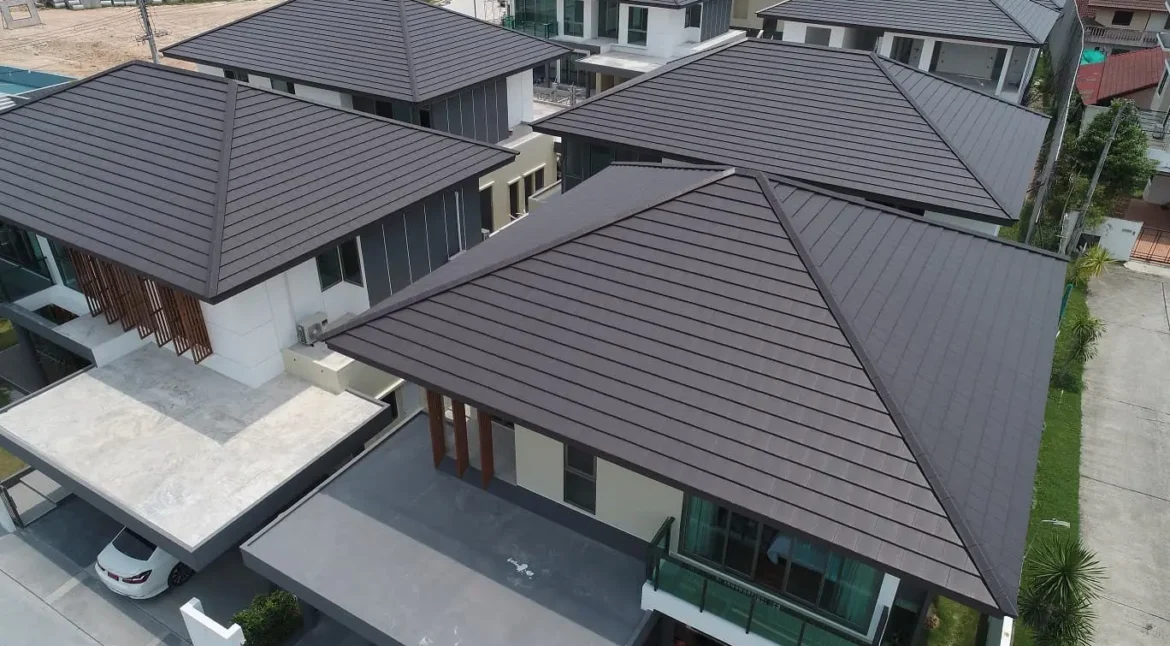
Concrete tiles are made from sand, cement, and water, shaped and finished with a coloured coating. A concrete roof tile re-roof is a solid option if you want something strong, attractive, and widely available across the country. Concrete suits many home styles, from older brick houses to newer suburban builds.

Benefits include good strength and durability, a wide range of colours and profiles, strong sound performance in rain, a classic tiled look, and good availability nationwide. If you’re already replacing an existing concrete tile roof, the frame is likely already built for that weight — though it’s still worth checking.

Keep in mind that concrete tiles are heavier than metal, so the roof structure needs to handle the load, especially if you’re switching from metal to concrete. The coloured coating can also fade or become porous with age. If you’re planning re-roofing Australia concrete tiles for an older home, ask your contractor to check tile condition, frame strength, battens, ridge and hip lines, valleys, flashings, and ventilation options.

If you’re comparing suppliers for your re-roof, SCG Concrete Roof Tiles are a good benchmark — the range includes the classic-wave Jewel C, the balanced-curve Sadie E, and the minimalist True Flat profile, so there’s a fit for both older brick homes and newer, cleaner-lined builds. SCG’s tiles also use a double coating technology built specifically to hold colour and resist moisture, staining, and general weathering under Australian sun and rain, which matters most once the original coloured coating on an ageing roof starts to fade or turn porous.

Terracotta Roof Tiles

Terracotta tiles are made from natural clay, shaped and fired, known for their rich, long-lasting colour. You’ll often see them on heritage, Mediterranean-style, and federation homes.

Benefits include colour that’s baked into the clay and won’t fade easily, a premium appearance, solid performance across many Australian climates, and a traditional look for character homes.

Keep in mind that terracotta can be more fragile underfoot as it ages, and it often costs more than concrete. Use roofers experienced with the material, since rough handling can cause extra damage.

Metal Roofing

Metal roofing is widely used across Australia, especially on modern homes, rural properties, coastal homes, and lower-pitch roofs where tiles may not suit.

Benefits include being lightweight, suitable for many roof pitches, quick to install, available in modern colours, and excellent at shedding rainwater — a popular pick for contemporary designs.

Keep in mind that metal can be noisier in heavy rain without good insulation and design, and coastal homes need the right grade and finish to resist salt exposure. Ask your roofer which products handle your local conditions best.

Choosing the Right Roof for Your Climate

rooftops-downpour

Australia’s climates vary hugely, so roofing choices shouldn’t be one-size-fits-all.

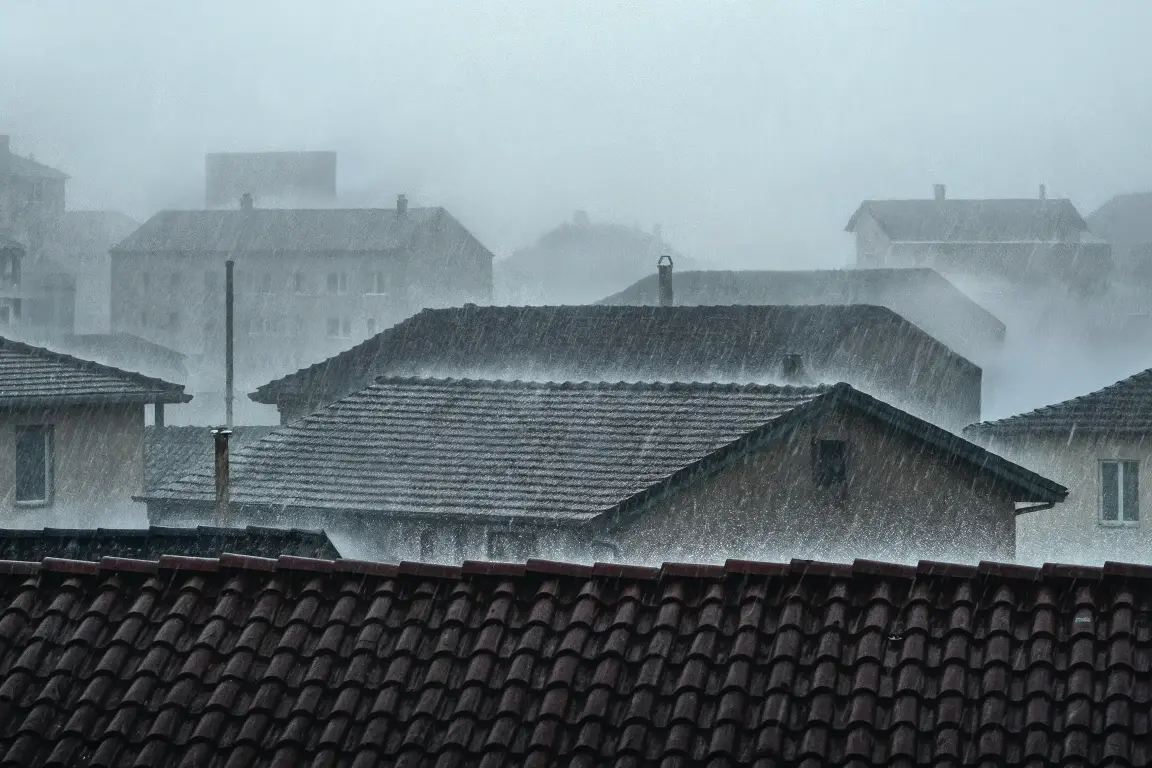
– Re-roofing Brisbane homes usually means planning around heat, humidity, heavy rain, and summer storms. Good ventilation and drainage matter most here — ask about storm-ready fixings, valley and gutter capacity, sarking, heat-reflective colours, and moisture control. Both tiles and metal can work well when installed correctly.

– Re-roofing Sydney homes often involves coastal air, heavy rainfall, older housing styles, and heritage areas with strict appearance rules. Consider corrosion risk, site access, matching the roof to the home’s style, drainage, bushfire risk in outer suburbs, and solar plans. Check heritage requirements before choosing materials.

– Re-roofing Melbourne homes means planning for changeable weather — cool winters, hot summer days, and wind — plus many older tiled roofs in established suburbs. Ask about insulation, secure fixings for wind, ventilation to reduce condensation, and period-appropriate tile profiles. Always check the frame and battens on older homes first.

What Happens During a Re-Roof?

Most projects follow a similar process: an inspection of the roof’s condition and access; advice and a clear quote; choosing your material, colour, and profile; site preparation; removing the old roof in sections; repairing or upgrading battens, underlay, and flashings; installing the new roofing material along with ridge caps and valleys; and a final check and clean-up once the job is done.

What Affects the Cost of Re-Roofing?

Costs vary depending on roof size, pitch, and height; the number of valleys, hips, and ridges; your choice of concrete, terracotta, or metal; removal of old materials; site access; the condition of the battens and frame; any sarking or insulation upgrades; and local labour and material costs. A detailed written quote is far more reliable than a rough price per square metre.

Is a Concrete Roof Tile Re-Roof Right for Your Home?

A concrete roof tile re-roof suits homeowners who want a strong, tiled roof with plenty of colour and style options — especially if the home already has concrete tiles. It tends to suit brick homes, suitable roof pitches, and owners who value sound control during rain. It may be less suitable if the frame can’t handle the weight, the pitch is too low, or you want a very lightweight roof. If you’re weighing up re-roofing Australia concrete tiles against metal, ask your contractor to explain the pros and cons for your specific roof.

Common Mistakes to Avoid

Avoid waiting too long once you notice problems, since small issues can turn into ceiling damage or mould. Don’t only fix what you can see — battens, flashings, and ventilation matter too. Think about heat when choosing colour, since darker tones absorb more warmth. Mention any solar panel plans before the re-roof, not after. Don’t ignore gutters and drainage, even on a brand-new roof. And always check licensing, insurance, and experience before hiring.

Caring for Your New Roof

Keep gutters and valleys clear of leaves, trim back nearby branches where safe, check ceilings for stains after big storms, and arrange inspections after hail or strong wind. Avoid walking on the roof yourself, and keep records of your warranties. Replace cracked tiles quickly, and on metal roofs, watch for loose fixings or corrosion, especially near the coast.

Signs You Should Book an Inspection Soon

Book an inspection if you notice water stains on ceilings or walls, drips during or after rain, mould smells in the roof space, cracked or missing tiles, rusted sheets or flashings, loose ridge caps, sagging roof lines, debris in the gutters, rising indoor heat, or storm damage after hail or wind.

Final Thoughts

Re-roofing is a major investment, but it’s also one of the most valuable upgrades for your home. A solid roof protects the structure, improves comfort, lifts street appeal, and helps you avoid costly water damage down the track.

If concrete tiles are the direction you’re leaning towards, it’s worth choosing a product backed by real weather performance rather than looks alone. SCG Concrete Roof Tiles, for example, are engineered for Australian conditions — from Melbourne’s changeable weather to Sydney’s coastal air and Brisbane’s storm season — with a double coating designed to keep colour and durability intact for years, so the investment you make now keeps paying off long after the installer packs up.

If you’re still unsure about when to replace roof tiles australia, look at the bigger picture. One broken tile is usually just a repair job — but ongoing leaks, widespread cracking, sagging, and ageing materials point clearly to a full re-roof.

Whether you’re considering concrete tiles, terracotta tiles, or metal roofing, the right choice is the one that suits your home, climate, budget, and long-term plans. Talk to experienced local roofers, ask plenty of questions, and make sure they look at the whole roof system — not just the surface — before any work begins.

Frequently Asked Questions

Consider a full re-roof when problems are widespread or recurring. Clear signs include repeated leaks in different rooms, water stains, damp insulation, or mould near the roofline; large areas of cracked, chipped, or missing tiles (often accelerated by hail, strong sun, salty coastal air, and storms); failing ridge capping across the roof rather than in isolated spots; sagging or uneven roof lines that may indicate damaged battens or frame movement; ageing, brittle materials or outdated fixings that keep causing new issues; rising energy bills linked to poor ventilation or damaged sarking; and plans to renovate or sell where a tired roof drags down street appeal and buyer confidence.
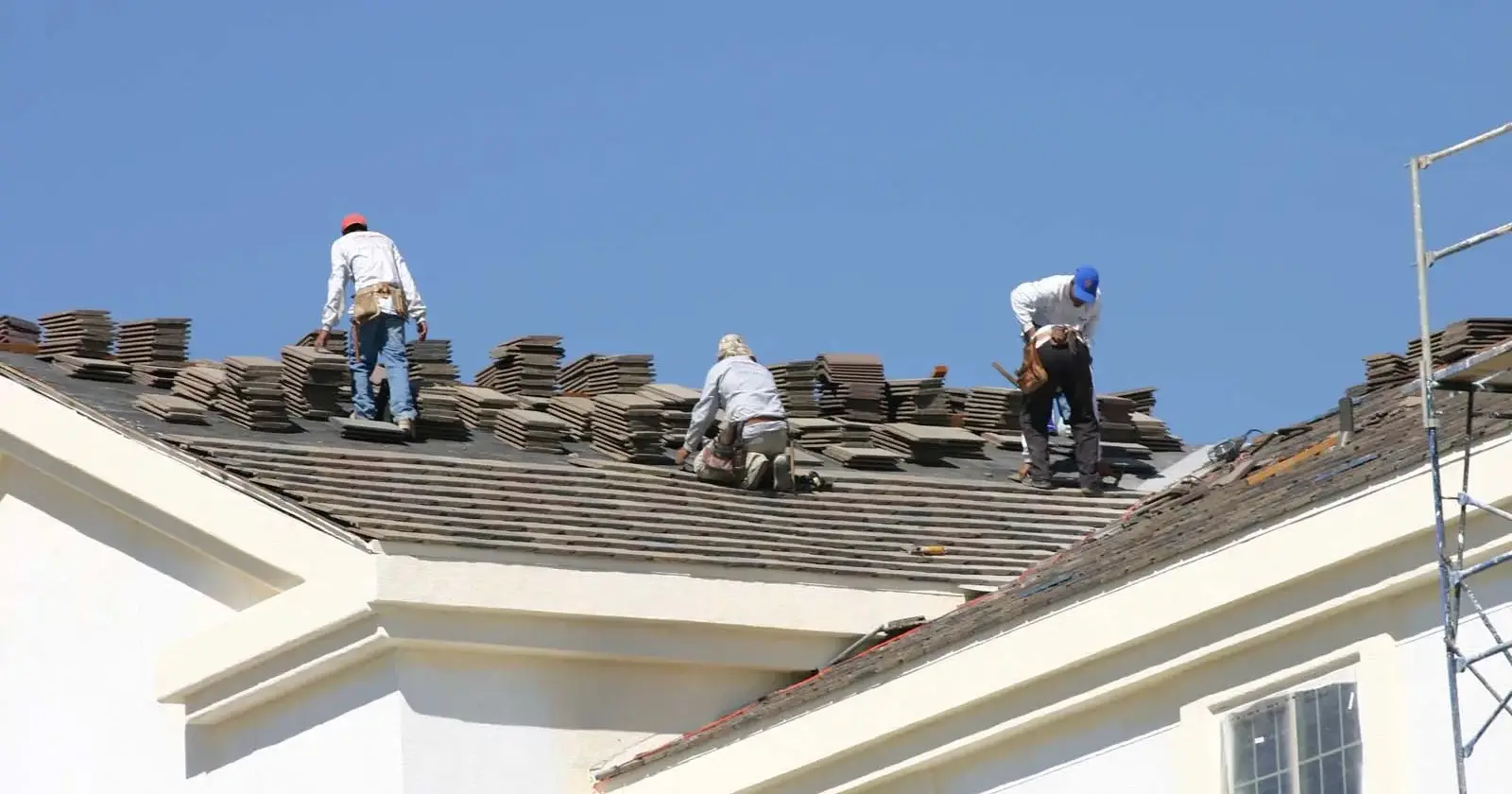
Repair targets small, local problems like a few cracked tiles or a single leak—quick and cost-effective but limited in scope. Restoration refreshes a sound roof by cleaning, replacing broken tiles, repointing ridge caps, sealing, and repainting—great for extending service life but it won’t fix major cracking, sagging, or water damage. Re-roofing replaces the old covering entirely, lets you inspect and fix what’s underneath (battens, sarking, flashings, insulation), and is the right choice once materials are too old, too damaged, or repairs keep piling up.

 - Concrete tiles: Strong, widely available, good sound performance in rain, and a classic tiled look with many colours/profiles—especially suitable if your home already has concrete tiles and a frame designed for the weight. Consider that concrete is heavier than metal and coatings can fade or become porous with age.

 - Terracotta tiles: Premium, traditional appearance with colour baked into the clay for long-lasting vibrancy; suits heritage and character homes. They can be more fragile underfoot as they age and usually cost more—use experienced installers.

 - Metal roofing: Lightweight, quick to install, works on a wide range of pitches, modern colour options, and excellent water shedding—popular for contemporary, rural, and coastal homes. May be noisier in heavy rain without good insulation, and coastal sites need the right grade/finish for salt exposure.

 - If switching materials, check structure: tiles are much heavier than metal, so frames must be assessed before moving from metal to tiles; switching to metal can reduce weight and modernise the look but still needs attention to battens, flashings, and noise control.

 - Brisbane: Plan for heat, humidity, heavy rain, and summer storms. Prioritise ventilation, drainage, storm-ready fixings, adequate valleys/gutters, sarking, and heat‑reflective colours. Both tiles and metal can work well when correctly installed.

 - Sydney: Consider coastal air (corrosion risk), heavy rainfall, heritage constraints, and older housing stock. Match materials to style, confirm drainage and bushfire considerations in outer suburbs, and plan for solar. Check heritage rules early.

 - Melbourne: Prepare for changeable weather—cool winters, hot summer days, and wind—plus many older tiled roofs in established suburbs. Ask about insulation, secure wind fixings, ventilation to reduce condensation, and period-appropriate profiles; always assess frames and battens on older homes.

Ask if they’re licensed and insured; their experience with your material and home style; whether they’ll inspect frames and battens; exactly what’s included in the quote and what could add extra cost; how they’ll protect the home in bad weather; recommended materials/colours for your site; and what warranties apply. Avoid choosing on price alone—poor installation leads to leaks and expensive fixes. Costs vary by roof size, pitch, and height; number of valleys/hips/ridges; material choice (concrete, terracotta, metal); removal of old roofing; site access; condition of battens/frame; sarking/insulation upgrades; and local labour/material rates. A detailed written quote is more reliable than a rough per‑square‑metre estimate.

Related Posts

concrete tile roof maintenance

Concrete Roof Tiles in Melbourne: Lifespan, Cost, and Maintenance Guide

This guide walks through everything you actually need to know before choosing, installing, or maintaining a concrete tile roof: what it costs compared to terracotta, how long it really lasts, how it holds up to bushfire and coastal conditions, what concrete tile installation in Melbourne actually involves, and how to keep the roof looking sharp for decades. Along the way, we’ll also cover what to look for in a concrete roof tile supplier in Melbourne if you’re ready to buy.

Melbourne construction

How SCG Supports Melbourne’s Construction Industry

The construction landscape in Victoria is evolving rapidly. With urban development expanding and residential projects consistently breaking ground, the demand for high-quality construction materials has never been more intense. For businesses operating within this fast-paced ecosystem, securing a robust, agile, and cost-effective supply chain is no longer just an operational goal—it is a critical capability for every building supply distributor.

new-build-concrete-roof-tile

Where to Buy SCG Concrete Roof Tiles in Australia

Among the concrete roof tiles types offered by SCG, three distinct personalities define the current lineup. Jewel C delivers classic, bold waves that cast deep, traditional shadows across the roofline. Stepping toward a softer aesthetic, Sadie E offers elegant, subtle curves that smoothly bridge heritage and contemporary styles. For a sleek, minimalist finish, the True Flat mimics a smooth slate tablet, keeping architectural lines sharp and modern.

Low carbon cement supply at sustainable ready-mix concrete plant

Green Cement Guide for U.S. Producers, Specifiers, and Owners

This guide explains green cement in plain terms: what it is, the main types available, how it performs, how to check the data, and how to start using it — written for concrete producers, specifiers, and project owners in the United States who want greener construction without giving up reliability. In short, it covers Green cement: definition, types, performance, specs, sourcing, and use cases for concrete producers, specifiers, and project owners in the United States.

I’m Here To Assist You

Contact us today

Please read Terms and Conditions, Privacy Notice, Cookies Notice, and I
I acknowledge that I can withdraw the given consent at any time, and I have understood the terms and conditions and how my personal data is processed.