
Search

SCG International Strengthens Partnerships in Australia–New Zealand

Share this post :

Facebook
LinkedIn
SCG International Strengthens Partnerships in Australia–New Zealand

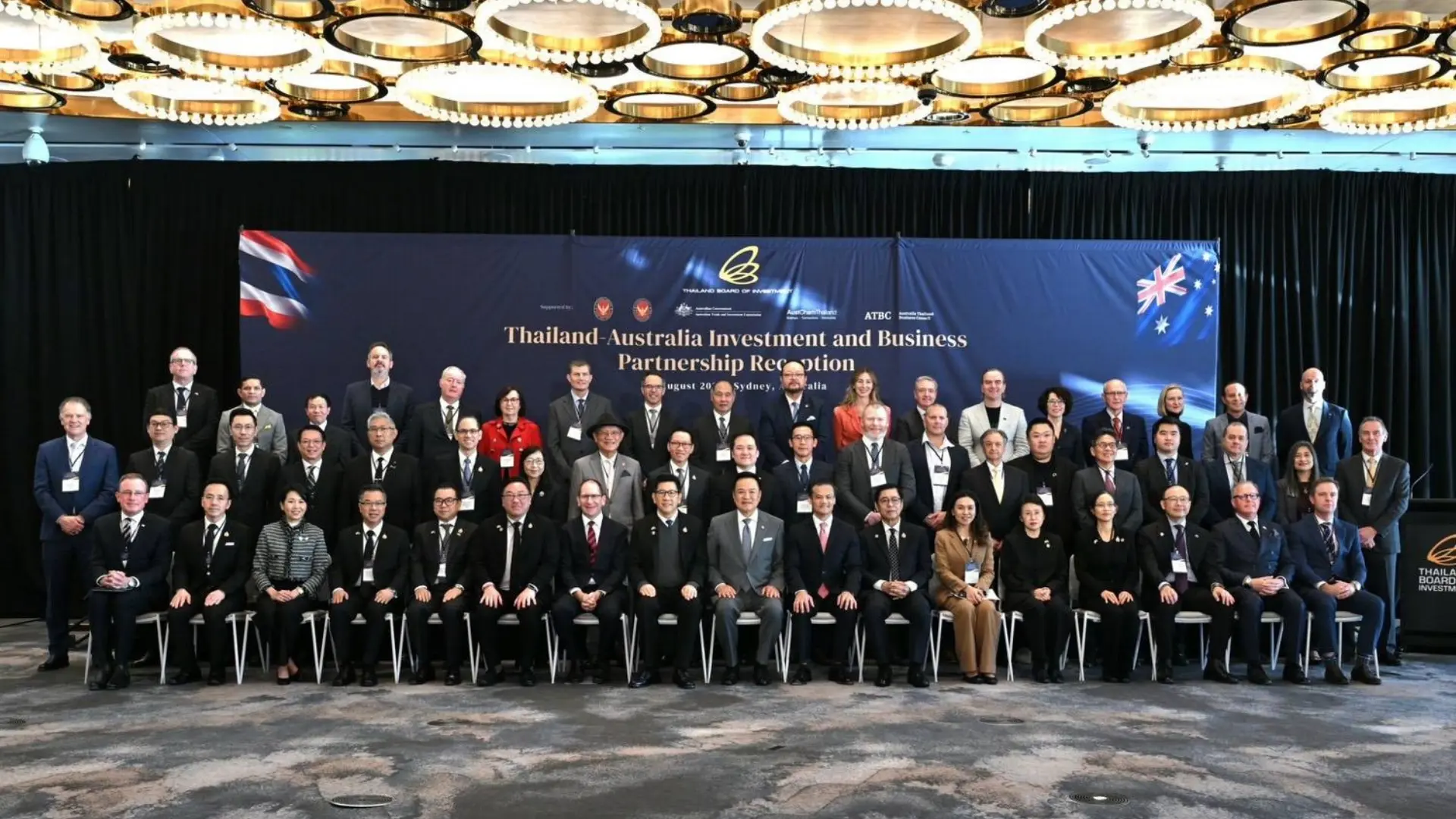
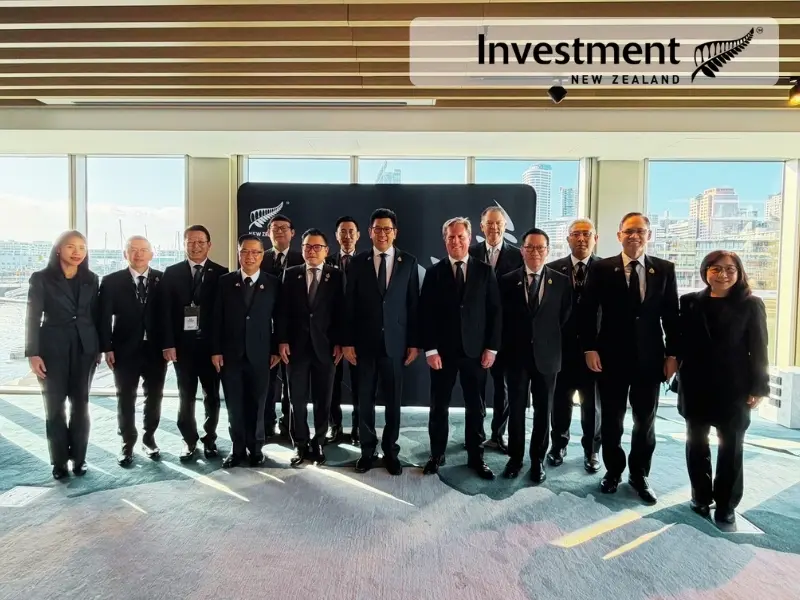
SCG International joined the official delegation led by the Prime Minister of Thailand and representatives from the Thai private sector during an official visit to Australia and New Zealand. The visit aimed to strengthen economic, trade, and investment relations while fostering business networks and exploring opportunities in future-focused industries.

Key activities included a visit to Canva, a leading technology company, participation in the Thai Business Delegations with Invest New Zealand meeting to exchange perspectives and explore business opportunities between Thailand and New Zealand, as well as attending a Welcome Luncheon hosted by the Prime Minister of New Zealand.

SCG International Strengthens Partnerships in Australia–New Zealand

Related Posts

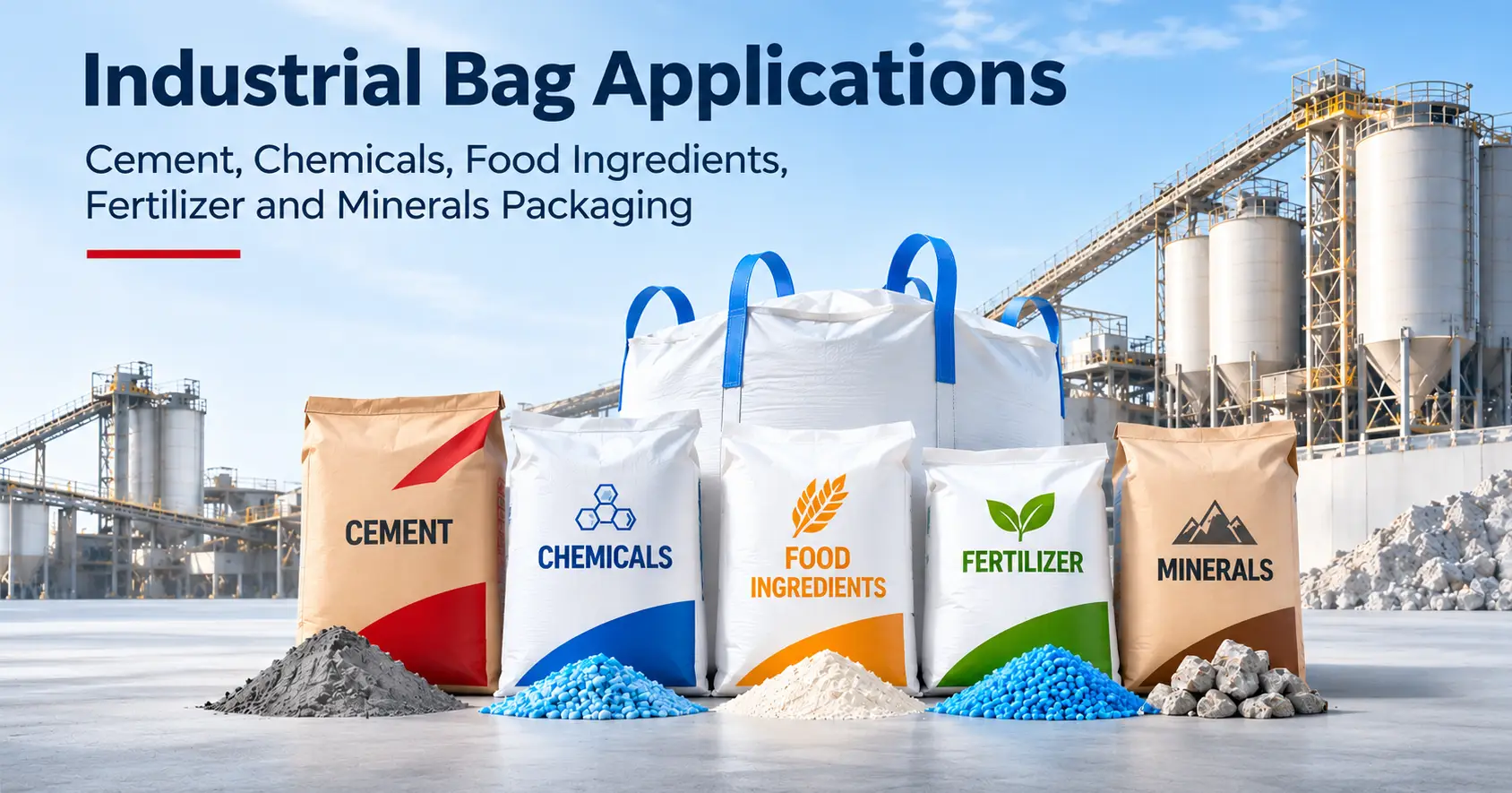
Industrial bag applications for cement, chemicals, food ingredients, fertilizer and minerals packaging

Industrial Bag Applications: Cement, Chemicals, Food Ingredients, Fertilizer and Minerals Packaging

Packing dry materials sounds simple until a sack splits on the conveyor, cement dust coats the filling line, or fertilizer arrives caked and damp. The right bag is rarely the one with the biggest load rating. It is the one that fits your product, your filling equipment, your route and your customer’s emptying process.
This guide explains industrial bag applications across five sectors: cement, chemicals, food ingredients, fertilizer and minerals. You will learn how to compare paper sacks, PP woven bags and bulk bags, what each sector must get right first, and how to brief industrial bulk bag suppliers so the quotes you receive can be compared fairly.
Grid of glasses filled with blue plastic polypropylene granules, masterbatch polymer grain, with shallow DOF. HDPE or PVC resin pellets. 3d render illustration

Plastic Resin Sourcing Guide: What Industrial Buyers Should Check Before Choosing a Supplier

Plastic resin sourcing is not just a search for a matching material code. Industrial buyers need to decide if a supplier can meet the required quality, provide the right documents, deliver on time, agree on terms, and ensure a steady supply without risking production. If you already know the resin family, grade, or specification you need, the next step is to qualify the supplier behind the offer.

I’m Here To Assist You

Contact us today

Please read Terms and Conditions, Privacy Notice, Cookies Notice, and I
I acknowledge that I can withdraw the given consent at any time, and I have understood the terms and conditions and how my personal data is processed.