Key takeaways
What Is Industrial Kraft Paper?
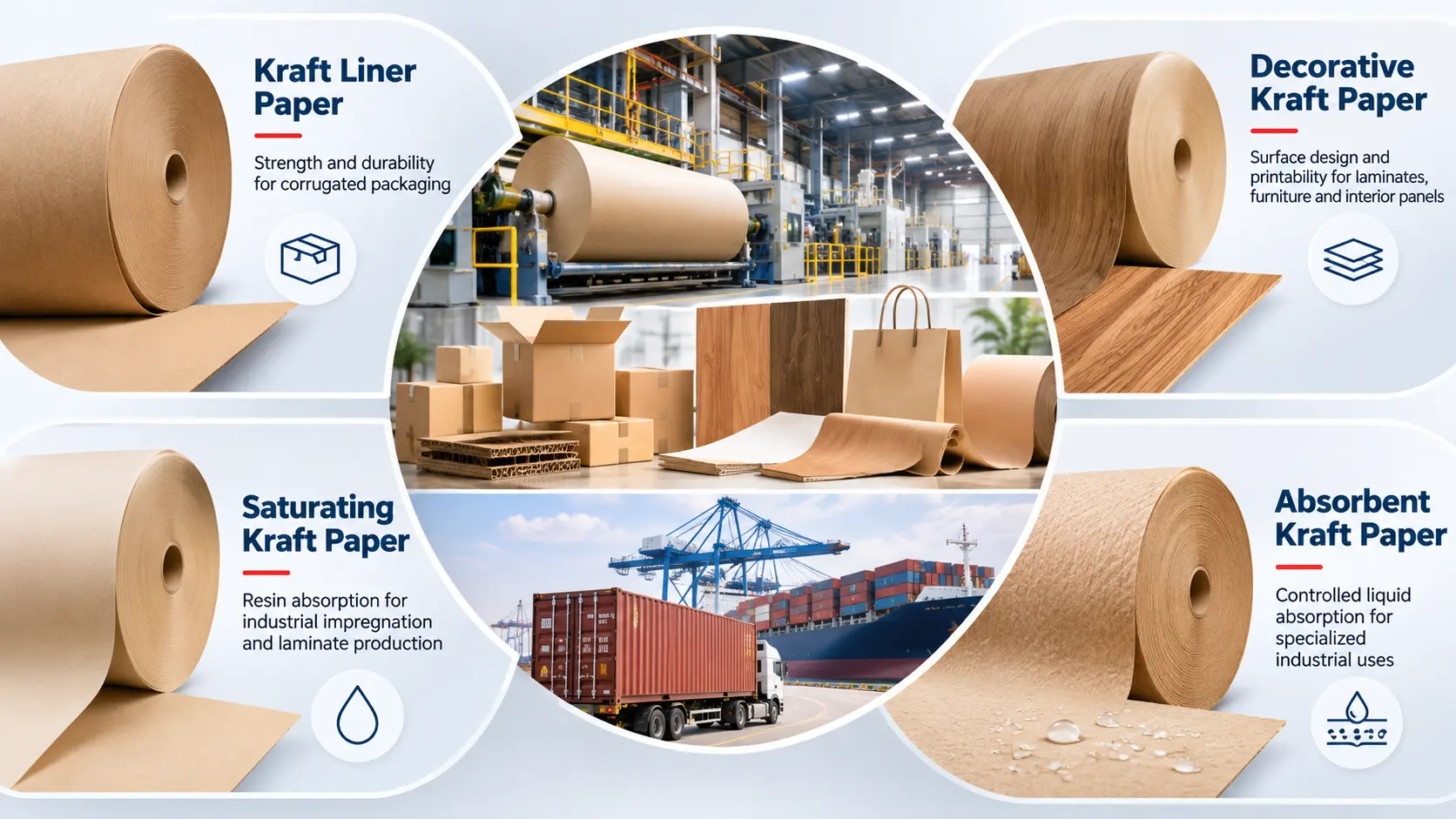
The kraft pulping process produces industrial kraft paper. It is widely used in manufacturing because it has strong fibers, good durability, and flexible use across many industrial jobs.
Unlike standard printing paper, industrial kraft paper is chosen for function. Buyers may need tensile strength, tear resistance, moisture control, surface quality, porosity, or absorbency.
Different jobs need different paper traits. Corrugated packaging needs strength and size control. Decorative work needs a better surface and good print fit. Resin soak needs controlled absorption and wet strength.
Knowing these needs helps buyers avoid weak choices and compare suppliers with more confidence.
1. Kraft Liner Paper: Strength for Corrugated Packaging
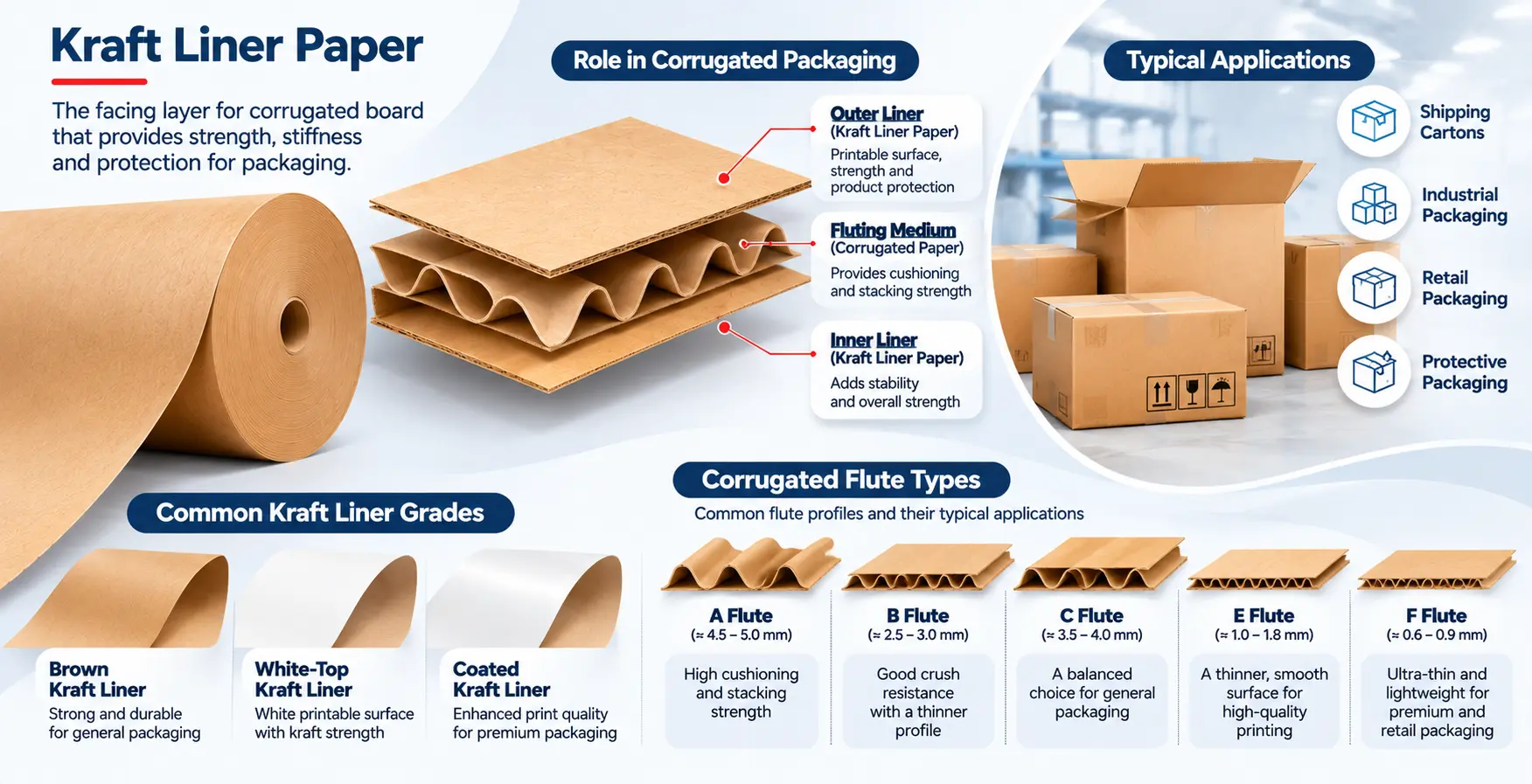
Kraft liner paper, also called kraftliner or linerboard, is mainly used as the flat facing sheet in corrugated board. It forms the outer and inner layers of corrugated packs. It works with the fluted medium to add strength and protection. Common uses include shipping cartons, industrial boxes, export packs, and retail packs.
Common Types of Kraft Liner Paper
Brown Kraft Liner : Companies often use brown kraft liner for industrial packaging and shipping cartons. Its natural look and strength make it a good fit where durability and product protection matter.
White-Top Kraft Liner : White-top kraft liner combines a white printable face with a kraft base. It is often used for retail packs and cartons that need a clean look and a strong build.
Coated Kraft Liner : Coated liner paper has a better surface for print quality and visual appeal. Its fit depends on the coating and print needs
Key Specs to Review
When sourcing kraft liner paper, buyers should review :
- Basis weight (GSM): Affects paper weight and board build.
- Tensile strength: Shows resistance to pulling.
- Bursting strength: Shows resistance to pressure failure.
- Moisture content: Affects size stability and converting.
- Cobb value: Measures water uptake under test conditions.
- Surface traits: Affect print quality and converting.
- The right specs depend on box design, flute type, transport conditions, and final pack use.
Why Supplier Quality Matters
Working with an experienced industrial kraft paper supplier helps buyers keep specs steady and meet production needs. For global buyers, supplier review should include product data, quality control steps, lab tests, and export ability.
If you buy liner grades, ask a kraft liner paper maker for board test data, moisture data, and export papers.
2. Decorative Kraft Paper: Enhancing Surface Appearance and Design
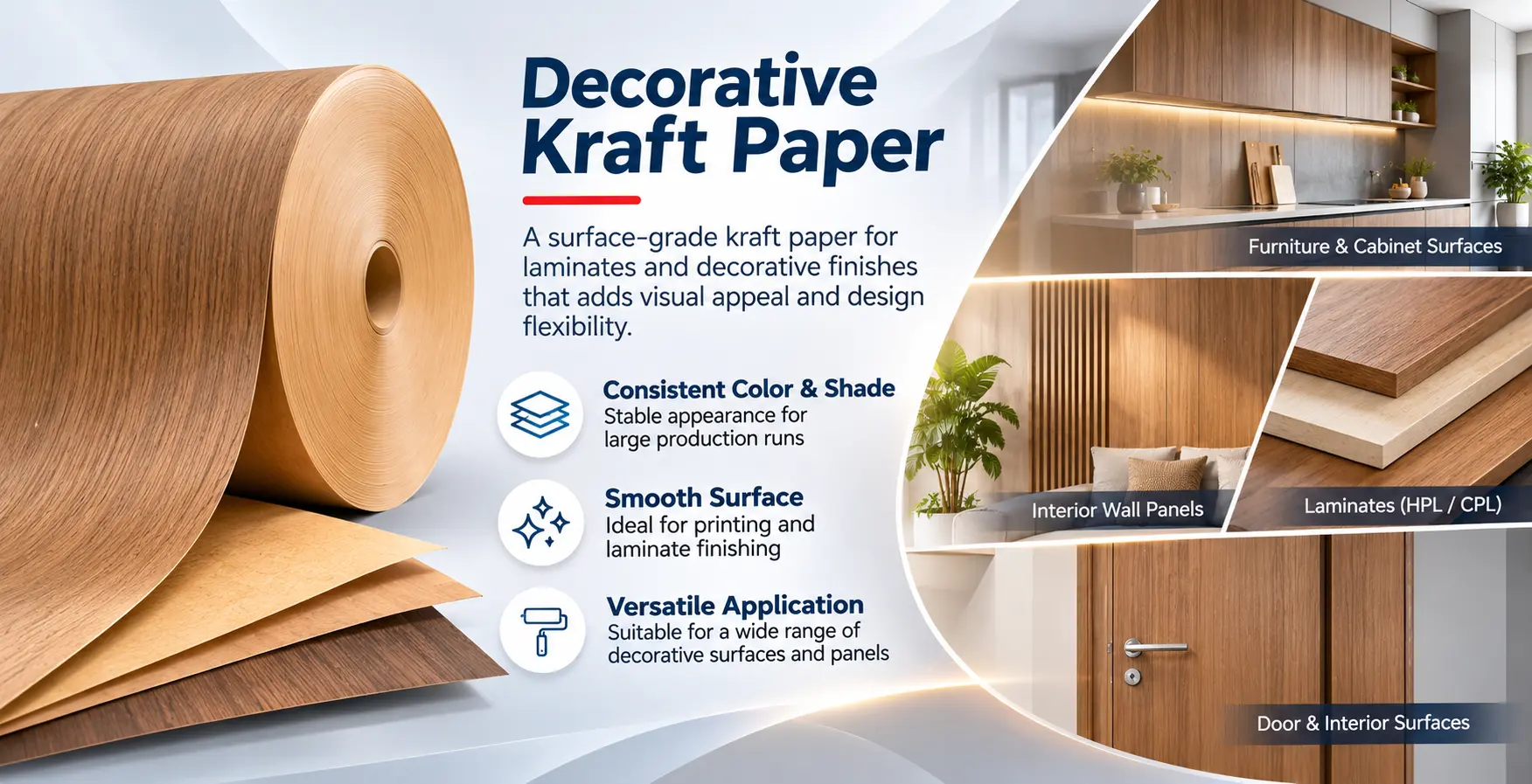
Designers choose decorative kraft paper for jobs where visual look, color match, and print work matter. Unlike kraft liner, which focuses mainly on strength, decorative grades support both appearance and function in surface finish and laminate work.
Typical uses include decorative laminates, furniture faces, interior panels, and engineered decorative materials.
Key Traits of Decorative Kraft Paper
Color and Shade Match: Steady color matters when making large runs of decorative panels or matching more than one batch.
Surface Smoothness : An even surface supports print quality and the look of finished decorative products.
Opacity and Formation : Paper build and opacity affect visual results, especially in printed patterns or solid-color faces.
Print Fit : Decorative paper should fit the selected print process, ink set, and finish needs.
What Should Buyers Check in a Decorative Kraft Paper Importer?
When working with a decorative kraft paper importer or global distributor, buyers should confirm the original mill grade, technical specs, and origin. Important checks include:
– Original maker and grade ID.
– Technical data sheets and spec limits.
– Color samples and approved standards.
– Print and surface results.
– Batch consistency.
These checks help reduce color drift and defects. A reliable sourcing partner should also keep clear contact between buyers and makers.
3. Saturating Kraft Paper: Designed for Industrial Impregnation
Saturating kraft paper is made to take in and hold certain substances, especially resins used in industrial soak and laminate work. Its performance depends on how well the paper interacts with the saturating material. It also relies on how steady it remains during processing. In laminate work, the paper must take in resin in a controlled way while still keeping enough strength for handling, drying, and later work.
Key Traits of Saturating Kraft Paper
Absorption Capacity : The paper must take in the needed amount of resin or other saturating material for the process.
Porosity : Porosity affects how liquids move through the paper and can change soak speed and evenness.
Wet Strength : The paper needs enough strength during soak and later handling to reduce breaks and stops.
Dimensional Stability : Stable paper under heat and moisture maintains product quality during industrial work.
What to Ask a Saturating Kraft Paper Manufacturer
When reviewing a saturating kraft paper manufacturer, industrial buyers should share clear process details.
These include:
– Type of resin or saturating material.
– Needed absorption level and rate.
– Resin thickness and working temperature.
– Needed wet strength.
– Production speed and drying conditions.
– Roll size and converting needs.
Buyers should check paper performance through technical docs and production trials before they place orders
4. Absorbent Kraft Paper: Engineered for Controlled Absorption
Manufacturers create absorbent kraft paper for jobs where liquid uptake is a key need. Its performance depends on how much liquid it holds, how fast it takes it in, and how evenly the liquid spreads through the paper body. Although absorbent kraft paper and saturating kraft paper share some traits, they are not the same.
The term saturating points to the paper’s role in an impregnation process, while absorbent points to its liquid uptake.
Key Traits of Absorbent Kraft Paper
Absorption Capacity : The amount of liquid the paper can hold under set test conditions.
Absorption Rate : How fast the paper takes in the target liquid.
Absorption Evenness : Even absorption helps prevent changes during industrial work.
Wet Strength : Enough strength is important when paper must stay whole after absorbing liquids.
What Should Buyers Ask an Absorbent Kraft Paper Manufacturer?
Before sourcing absorbent grades, buyers should set clear technical needs.
Important questions include:
– What liquid or substance will the paper absorb?
– What absorption capacity do we need?
– How fast must the paper absorb the material?
– What level of wet strength do we need?
– What paper thickness and basis weight fit the job?
– Which test methods do researchers use to check absorption?
SCG International: Your Global Industrial Paper & Packaging Sourcing Partner
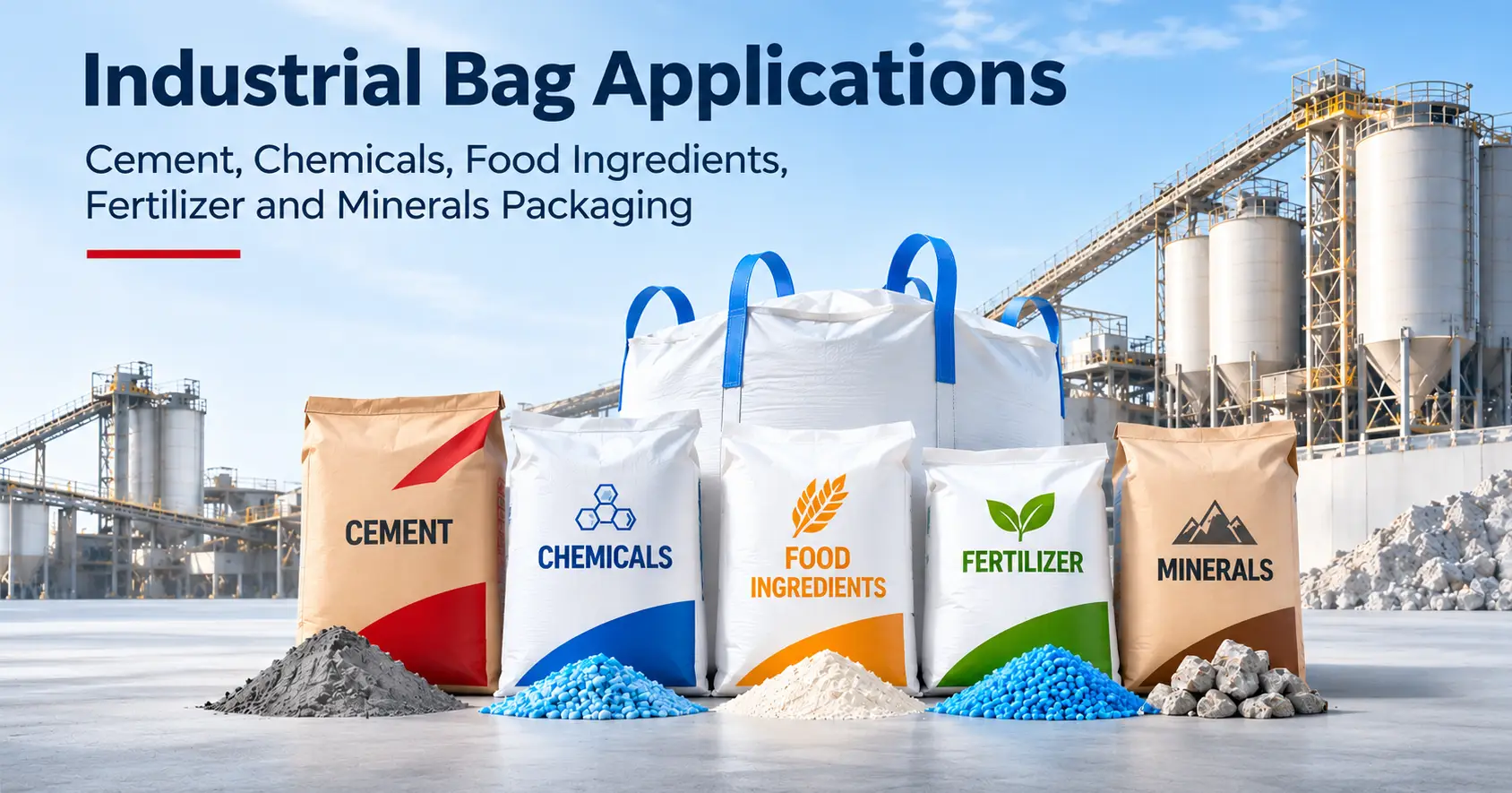
SCG International offers paper and packaging sourcing solutions for businesses around the world. We connect global buyers with top manufacturers in Thailand. Its Paper & Packaging portfolio includes kraft paper, specialty kraft paper, plasterboard liner, and industrial bags. It also includes printing and writing paper, recycled paper, and pulp.
Three capabilities are especially useful for global buyers:
1. Quality Control and Laboratory Testing : SCG International highlights quality control and lab testing to support steady product performance and reliable quality across supplied products.
2. Global Sourcing and Logistics : Its global sourcing and supply chain abilities support import and export coordination, helping businesses manage procurement across global markets.
3. Local Team Support : Local teams provide market insight and tailored industrial paper and packaging solutions based on business and work needs.
For companies looking for kraft paper in Thailand, SCG International can help. They offer a way to find paper products. You can also discuss your needs with them.
Buying Guide: How to Specify Industrial Kraft Paper Before Ordering .Before placing an order, buyers should prepare a clear technical and commercial spec.
Follow these six steps:
Step 1: Define the Application
Determine whether the paper will serve for corrugated packaging, decorative surfaces, resin soak, or another industrial process.
Step 2: Set Technical Needs
Specify the needed basis weight, thickness, strength, moisture content, absorption capacity, and surface traits.
Step 3: Request Technical Docs
Ask for technical data sheets, test methods, product specs, and key quality docs.
Step 4: Confirm Product Samples
Review sample sheets to see whether the paper meets the target production need.
Step 5: Review Supplier Ability
Assess makers, quality checks, origin, logistics, export docs, and commercial terms.
Step 6: Confirm Supply Plans
Set order quantities, delivery schedules, packaging needs, approved specs, and steps for handling product changes.
Following these steps can help businesses select the right industrial kraft paper and build a more reliable buying process.