Choosing the Right Type of Biomass Boiler Fuel
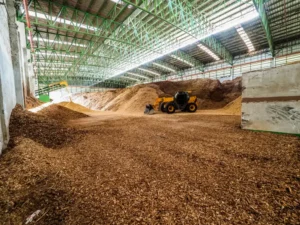
Industrial operators moving to greener fuel are increasingly turning to biomass boiler fuel for lower net carbon emissions, more predictable costs, and long-term ESG alignment. Choosing the right fuel is not a simple swap. It depends on boiler design, local supply availability, moisture and ash tolerance, and the consistency of fuel specifications from shipment to shipment.
Green Batts Supplier in Sydney: A Guide to Sourcing Consistent Insulation Stock
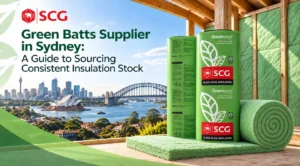
Sourcing insulation should not slow down a build, delay a retail order, or leave your team chasing uncertain stock. If you need a dependable green batts supplier in Sydney, the goal is more than finding a product at the right price. You need consistent Glasswool batts, clear product information, responsive communication, and supply planning that matches real project demand.
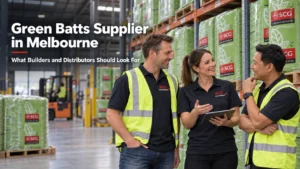
Green Batts Supplier in Melbourne: What Builders and Distributors Should Look For
For dealers and distributors across Victoria, finding a consistent green batts supplier in Melbourne is quickly becoming more about reliability – the product actually meet what builders and homeowners expect on site.
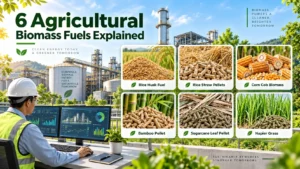
6 Agricultural Biomass Fuels Explained: From Field Residue to Factory Heat
This guide breaks down six of the most widely used agricultural biomass fuels — rice husk, rice straw pellets, corn cob, bamboo pellets, sugarcane leaf pellets, and Napier grass — and explains which boiler types and handling systems suit each one. If you’re evaluating fuel switching or diversifying your current supply, this is the practical reference to work from before you talk specifications with a supplier.

Concrete Roof Tiles in Brisbane How to Choose the Right Profile Finish & Supplier for QLD Homes
Choosing the right concrete roof tiles in Brisbane goes beyond colour and style. Discover how to select the right tile profile, finish, roofing system, and local supplier for durable and practical Queensland homes.

How Global Procurement Solutions Support B2B Buyers
Global supply chains have grown more complex. Buyers now manage multi-country sourcing, shifting tariffs, compliance requirements, and lead-time volatility at the same time, often across several product categories at once. Without a structured approach, this complexity tends to surface as inconsistent quality,

