Search

Finding the Right Aluminum Ingot Supplier in Thailand

Share this post :

Facebook
LinkedIn
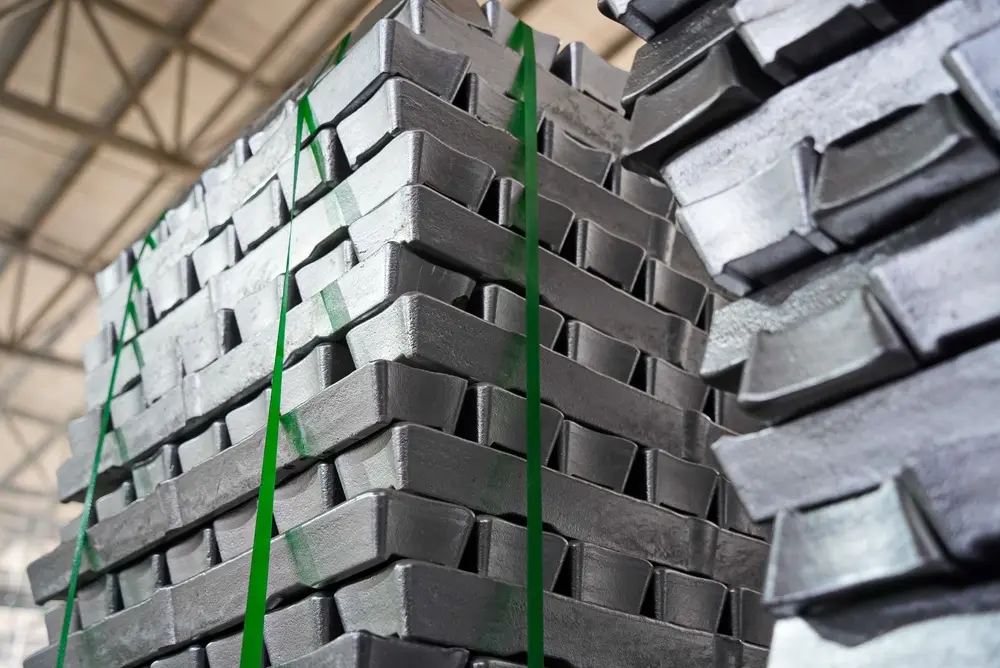
Stacks of aluminum ingots in a warehouse

Key takeaways

Table of Contents

Businesses looking for dependable aluminum ingot suppliers are under growing pressure to secure a stable supply, verified quality, and competitive pricing in an increasingly volatile global metals market.

Supplier choice is crucial for primary and secondary aluminum producers, smelters, refiners, recyclers, and manufacturers using recycled metal. It impacts their operational continuity, production efficiency, and long-term profitability.

This article explains how to strategically approach sourcing aluminum ingot suppliers in Thailand, how to evaluate aluminum ingot supplier reliability, and why sourcing partners such as SCG International play an important role in primary and secondary non-ferrous metal trade across global markets.

Why Finding the Right Aluminum Ingot Supplier Matters ?

Aluminum ingots remain one of the most important raw materials in modern manufacturing. They support industries ranging from automotive production and electrical systems to packaging and industrial casting.

For buyers sourcing aluminum feedstock internationally, supplier reliability matters far beyond pricing alone. Common sourcing challenges include inconsistent alloy composition, shipment delays, unstable supply volumes, insufficient documentation, limited traceability, and quality variation between batches.

These issues can cause major operational disruptions for manufacturers and processors that rely on continuous production. A quality aluminum ingot supplier should provide a stable production capability, verified quality standards with predictable delivery schedules, proper inspection procedures, and complete compliance documentation. In highly competitive manufacturing, supply reliability is frequently as critical as the cost of raw materials.

Why Thailand Is a Strategic Sourcing Location ?

Thailand continues to strengthen its role in ASEAN’s non-ferrous metals trade ecosystem. Several factors make the country an attractive sourcing base for aluminum and recycled metal products:

Strong Regional Manufacturing Position: Thailand serves as a manufacturing hub for automotive, electronics, packaging, and industrial production across Southeast Asia.

Access to Regional Supply Chains: Thailand connects efficiently with major aluminum supply origins across China, Australia, ASEAN countries, and the Middle East markets. Businesses can source primary aluminum ingots and secondary recycled aluminum feedstock with greater flexibility from regional and global supply chains.

Well-Developed Logistics Infrastructure: Deep-sea ports such as Laem Chabang, industrial estates, and regional freight connectivity support large-scale international metal trade.

Growing Secondary Aluminum Market: Thailand’s recycling and secondary metals industries continue to expand due to rising industrial demand and sustainability initiatives.

This creates strong opportunities for buyers seeking verified recycled metal feedstock and long-term sourcing partnerships.
What Aluminum Ingots Are and Where They Are Used ?

Aluminum ingots are semi-processed metal forms produced by smelting and refining aluminum before downstream manufacturing. Buyers might obtain primary aluminum ingots made straight from smelting, or secondary aluminum from recycled non-ferrous scrap, based on manufacturing needs. Both play major roles in modern manufacturing and industrial production. Key industries using aluminum ingots include:

Automotive and EV Manufacturing: Aluminum supports lightweight vehicle production, EV battery systems, engine parts, and structural components.

Construction and Infrastructure: Used in window frames, structural systems, architectural components, and industrial building materials.

Electrical and Electronics: Aluminum’s conductivity and corrosion resistance make it suitable for electrical components and electronics manufacturing.

Packaging and Consumer Goods: Widely used for cans, containers, appliances, and industrial packaging applications.

What Makes a Quality Aluminum Ingot Supplier ?

Certification and Compliance Standards

Reliable aluminum ingot suppliers should operate under recognized quality and compliance systems. Buyers should verify ISO-certified production systems, ASTM or EN compliance, LME deliverable grades such as P1020, Mill Test Certificates (MTCs), Certificate of Analysis (COA), and certificates of origin and compliance. Documentation transparency remains essential for cross-border trade and industrial manufacturing.

Traceability and Quality Assurance

A quality aluminum ingot supplier should provide batch-level traceability, chemical composition testing, impurity analysis, and consistent alloy specifications. Laboratory verification helps reduce operational risk and production inconsistencies.

Operational Reliability

For metals sourcing, long-term supply capability is crucial, so businesses need to evaluate production capacity, shipment planning, lead-time stability, packaging standards, and inventory management. Reliable suppliers support predictable manufacturing schedules and reduce procurement uncertainty.

How to Evaluate Aluminum Ingot Suppliers ?

Businesses should follow a structured assessment process.

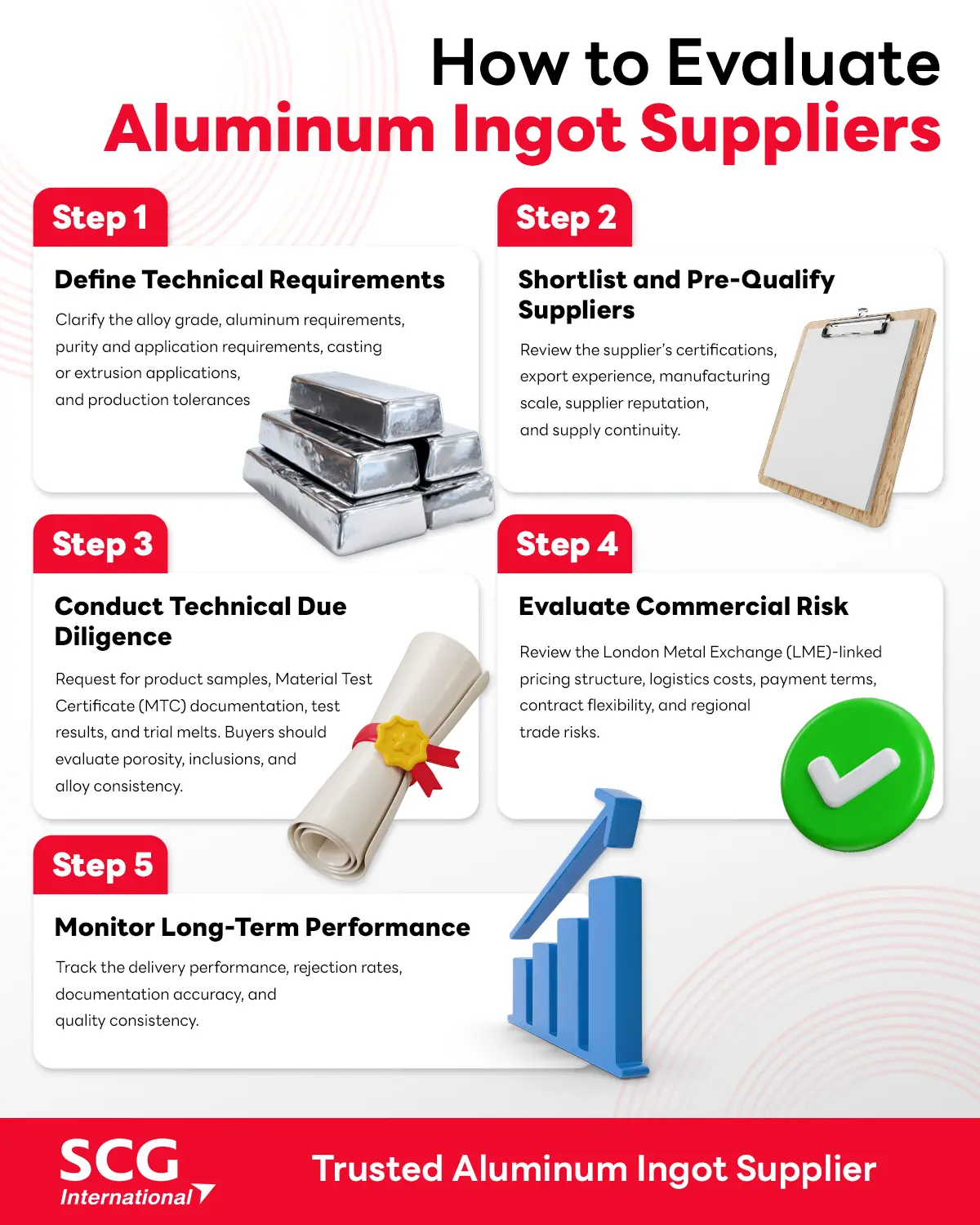
Step 1 – Define Technical Requirements

Clarify the alloy grade, primary or secondary aluminum recycled aluminum requirements, purity and application requirements, casting or extrusion applications, and production tolerances.

Step 2 – Shortlist and Pre-Qualify Suppliers

Review the supplier’s certifications, export experience, manufacturing scale, supplier reputation, and supply continuity. Compare direct manufacturers, traders, and sourcing partners carefully.

Step 3 – Conduct Technical Due Diligence

Request for product samples, MTC documentation, test results, and trial melts. Buyers should evaluate porosity, inclusions, and alloy consistency before scaling purchases.

Step 4 – Evaluate Commercial Risk

Review the LME-linked pricing structure, logistics costs, payment terms, contract flexibility, and regional trade risks.

Step 5 – Monitor Long-Term Performance

Track KPIs such as the delivery performance, rejection rates, documentation accuracy, and quality consistency. Ongoing supplier evaluation helps strengthen procurement reliability over time.

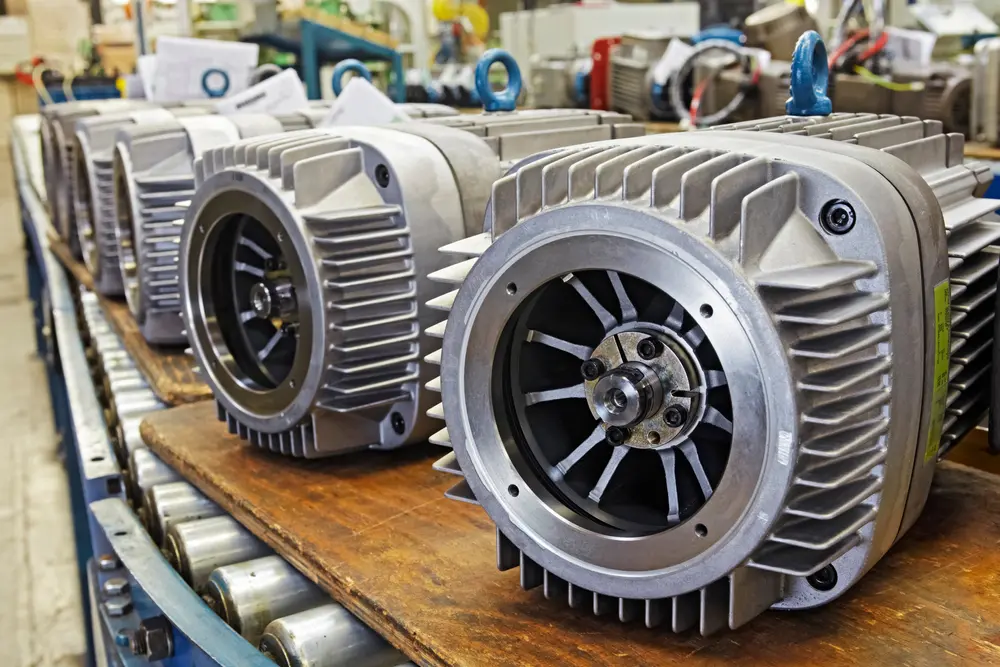
An electric motor factory

Why Work With a Sourcing Partner Instead of Buying Direct ?

When finding an aluminum ingot supplier, it’s useful to understand the advantages of each sourcing model.

Direct Suppliers: Often provide strong factory relationships but may offer limited flexibility or sourcing diversification.

Traders: Provide access to multiple sources and market pricing opportunities.

Sourcing Partners: Offer broader operational support, including supplier verification, cross-border coordination, documentation management, logistics planning, volume consolidation, and risk mitigation.

Benefits of Working With a Sourcing Partner

For manufacturers and metal processors, sourcing partners help simplify international procurement. This becomes especially important during periods of commodity price volatility or supply chain disruption.

Benefits include:

– Access to multiple verified suppliers of primary and secondary aluminum materials

– Competitive pricing across regions

– Reduced supply disruption risk

– Simplified import/export coordination

– Flexible sourcing strategies

SCG International’s Role as an Aluminum Ingot Sourcing Partner

SCG International operates as a sourcing and supply partner specializing in both primary non-ferrous metals and secondary recycled metal scrap through verified global sourcing networks and long-term supplier relationships. Backed by decades of regional and international trade experience, SCG International offers access to verified aluminum supply sourced from established origins across Australia and Asia.

SCG International applies supplier vetting and inspection processes designed to support material traceability, MTC documentation, and compliance records to ensure consistent shipment quality and long-term supply stability.

SCG International also provides cross-border logistics coordination through shipment scheduling, documentation handling, compliance coordination, and regional logistics management. This integrated support model helps businesses reduce procurement complexity and operational risk.

Learn more about SCG International as a reliable global trading partner that helps businesses simplify sourcing, reduce risk, and secure long-term aluminum ingot supply across international markets.

References :

A Guide to Choosing Aluminum Ingot Suppliers for Your Project. Retrieved from 18 May 2026 from https://www.odmetals.com/blog/a-guide-to-choosing-aluminum-ingot-suppliers-for-your-project

How to Choose the Best Aluminium Supplier – 7 Key Factors Buyers Must Check. Retrieved from 18 May 2026 from https://niftyalloys.com/blogs/how-to-choose-the-best-aluminium-metal-suppliers

Frequently Asked Questions (FAQ)​

Yes. Global demand for aluminum ingots remains strong across industries such as automotive manufacturing, electric vehicles (EVs), construction, electronics, packaging, renewable energy, and industrial production. Demand for primary and secondary aluminum continues to grow as manufacturers look for lightweight, corrosion-resistant, and recyclable materials to support modern production and sustainability goals.

Thailand offers strong regional logistics infrastructure, access to ASEAN supply chains, experienced industrial manufacturing networks, and growing capabilities in primary and secondary aluminum trade.

Primary aluminum is produced directly from raw bauxite ore, while secondary aluminum is produced from recycled aluminum scrap and remelted materials.

Yes. SCG International supports sourcing for primary aluminum ingots and secondary recycled aluminum materials through verified supplier networks across Asia and international markets. This allows manufacturers, smelters, refiners, recyclers, and industrial buyers to secure materials based on their production requirements, sustainability goals, and operational needs.

Mill Test Certificates help verify chemical composition, alloy specifications, and quality consistency, making them essential for industrial manufacturing and compliance requirements.

Automotive, EV manufacturing, construction, electronics, packaging, industrial casting, and infrastructure industries all rely heavily on aluminum ingots.

Businesses often reduce risk by diversifying suppliers, working with verified sourcing partners, reviewing certifications carefully, and maintaining long-term procurement relationships.

Buyers should evaluate supplier verification processes, documentation support, logistics capability, supply continuity, technical expertise, and experience in international non-ferrous metal trade.

Related Posts

Wooden pellets for biomass power plant

How Does a Biomass Power Plant Work? A Complete Guide

An increasing amount of that biomass is currently being directed to industrial boilers and power stations, where it is transformed into clean, dispatchable energy. The modern biomass power plant sits at the center of this shift, offering industries a practical path to lower coal dependency while meeting rising sustainability mandates. Securing consistent

Paper products for variety use from quality paper supply companies in Thailand

How To Find Quality Paper Supply Companies in Thailand

Buyers in regulated industries choose Thailand due to its mix of scale, certified production, and competitive logistics unmatched by most neighboring markets. Yet not every supplier delivers on quality, capacity, or compliance, and a single weak link in the supply chain can disrupt production for months. This guide walks through what separates quality paper supply companies from the rest, and how to evaluate them before placing an order.

SCG building construction materials supplier in Melbourne

SCG Construction Materials: Melbourne’s Best Options

Melbourne is a city defined by its dynamic architecture, from the heritage-listed facades of the inner suburbs to the sleek, ultra-modern commercial towers defining the CBD. As Victoria’s population grows, so does the demand for innovative, durable, and sustainable infrastructure. However, turning brilliant architectural visions into long-lasting realities requires more than just skilled labor; it requires the right foundation of supplies.

Aerial view of container cargo ships at a pier

Who Are Thailand’s Most Reliable Global Trading Partners

International business expansion brings increased pressure to maintain stable supply chains, trustworthy sourcing networks, and trusted business partners. As global markets become more connected, companies are no longer simply selecting suppliers. They are choosing long-term business partners capable of supporting growth across multiple markets

I’m Here To Assist You

Contact us today

Please read Terms and Conditions, Privacy Notice, Cookies Notice, and I
I acknowledge that I can withdraw the given consent at any time, and I have understood the terms and conditions and how my personal data is processed.