SCG Green Batts vs Standard Glasswool Insulation
Learn when to replace your roof in Australia, understand the difference between repair and re-roofing, compare concrete, terracotta and metal roofing, and make a confident decision for your home.
Low-carbon materials and verified environmental data are increasingly included in procurement criteria and construction specifications.
Major developments in Australia, Saudi Arabia, and Singapore are accelerating demand for materials that combine sustainability with proven performance.
It can reduce CO₂ emissions while maintaining the strength and structural performance required for major construction projects.
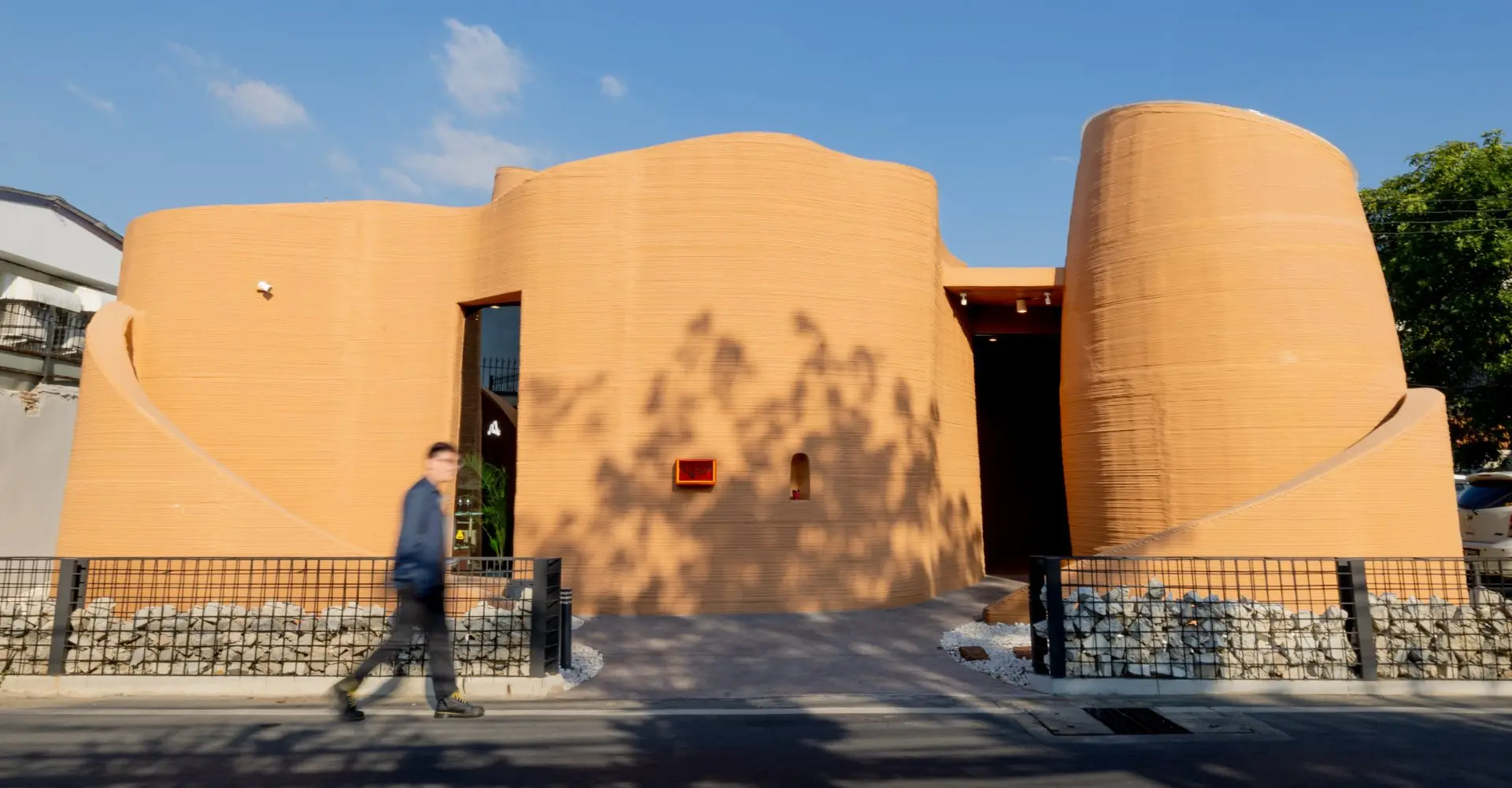
Technologies such as 3D printing mortar can reduce material use, construction waste, and project inefficiencies.
Contractors and developers with verified sustainable materials are better positioned to meet certification requirements and access major projects.
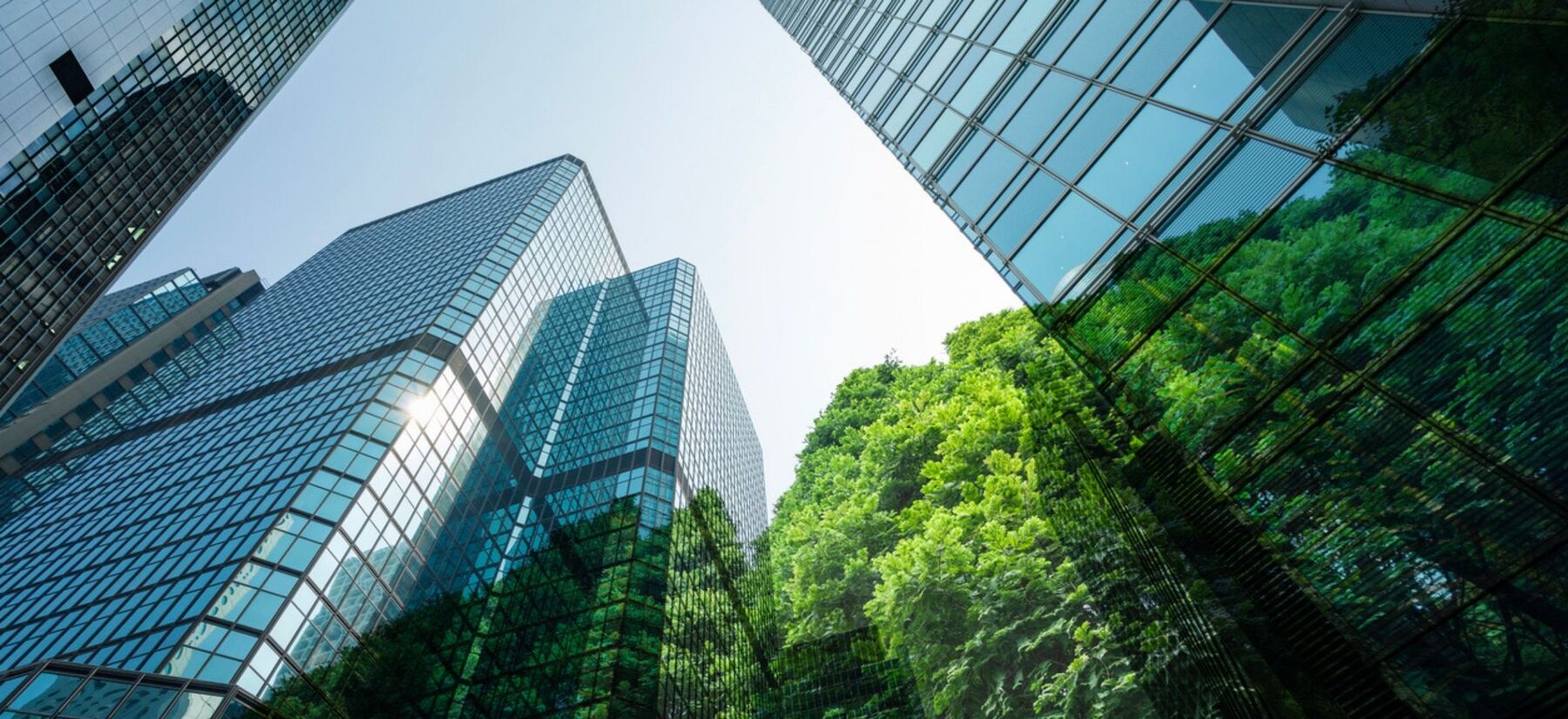
The world is changing fast. Australia is in the middle of its largest-ever infrastructure cycle. Saudi Arabia is building trillion-dollar cities from scratch. Singapore wants 80 percent of its buildings certified green by 2030. The common thread? How construction materials are selected is being rewritten, and sustainable construction is no longer a choice. It is the price of entry.
The construction industry accounts for roughly 37 percent of global energy-related CO₂ emissions. Cement production alone is responsible for about 8 percent, more than aviation. As governments around the world push Net Zero legislation and investors ask for carbon data before they ask for pricing, the old equation of “cheapest and fastest” no longer holds.
Three forces are rewriting the rules:
1. Climate commitments : The industry is targeting net-zero embodied carbon for all new buildings and infrastructure by 2050.
2. Buyer expectations : Developers, investors, and end-users want materials with clear environmental credentials.
3. Regulations tightening : Building codes are starting to cap embodied carbon, turning low carbon construction from a voluntary initiative into a compliance requirement.
The result : every material entering a project must now answer a new question, what is your carbon footprint?
In plain terms : sustainability is moving from the “nice to have” column into actual specifications.
Cities and mega-projects are embedding green criteria directly into procurement frameworks. Green-building rating tools, Green Star in Australia, Green Mark in Singapore, award higher scores for materials with lower embodied carbon. Every tonne of cement or steel must now come with auditable carbon data.
Low-carbon cement is the clearest example, a traditional material category evolving in real time to meet entirely new demands, delivering equivalent structural performance while significantly cutting CO₂ intensity per tonne.
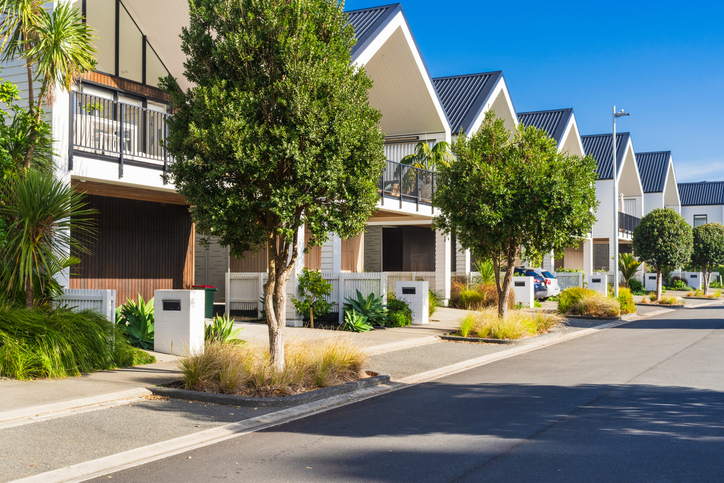
Australia is in the middle of its largest infrastructure investment cycle on record. The public infrastructure pipeline has reached AUD 242 billion, the highest level Infrastructure Australia has ever tracked, spanning transport, energy, housing, and defence. But the money comes with conditions. The Green Building Council of Australia (GBCA) continues to raise Green Star requirements. The updated National Construction Code (NCC) sets tighter energy standards. And the government is developing a national framework for reporting embodied carbon in the built environment.
What does this mean in practice?
If you cannot show the carbon credential of your materials, you are being excluded from major Australian projects.
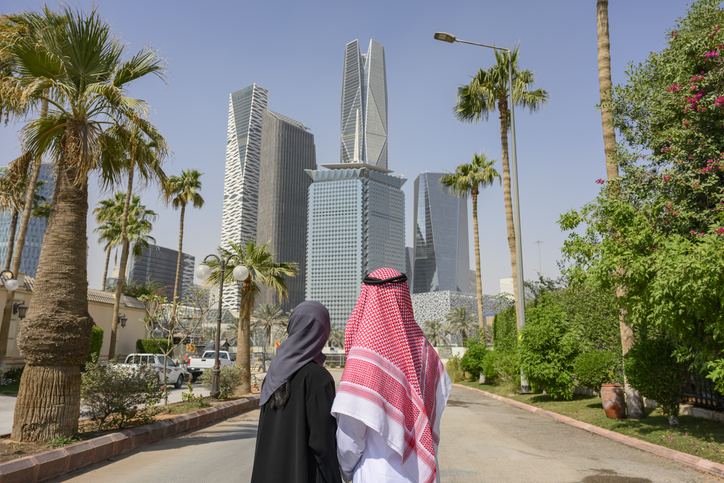
Saudi Arabia’s Vision 2030 has created over USD 1 trillion in new construction projects, NEOM, The Line, and dozens of tourism and entertainment developments. The sheer volume of materials needed is forcing everyone to rethink specifications.
NEOM targets 100 percent renewable energy and is experimenting with carbon-utilisation technology in concrete production. The Kingdom’s net-zero-by-2060 pledge pushes pressure through the entire system from the top down.
The pattern is clear :
✅ Government projects mandate green-building compliance.
✅ Project scale creates demand for low-carbon materials that perform in extreme heat.
✅ Technology partnerships are shaping the next generation of sustainable infrastructure trends.
For suppliers who can demonstrate both sustainability credentials and technical performance at mega-scale, Saudi Arabia is one of the biggest opportunities on earth.
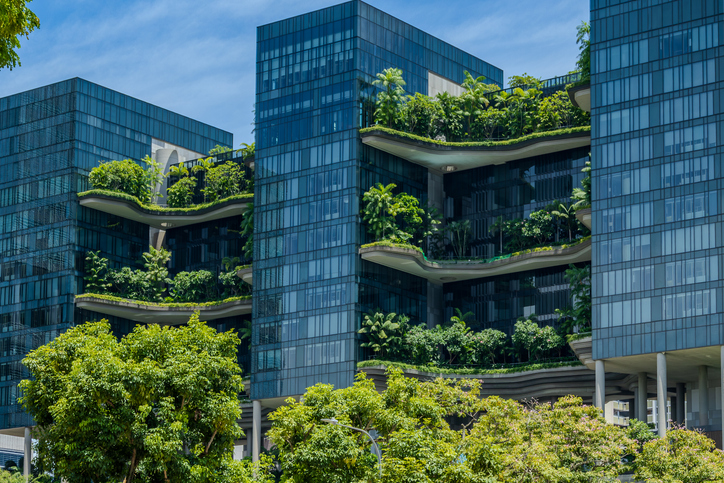
Singapore’s Green Building Masterplan targets 80 percent of all buildings certified green by 2030, one of the most aggressive timelines in Asia-Pacific. BCA Green Mark now counts embodied carbon alongside operational energy, and the government offers incentive programmes for developers who exceed minimum standards.
Limited land makes Singapore a natural innovation lab:
✅ Prefabrication and modular construction reduce waste at source.
✅ 3D printing enables complex geometries with less raw material.
✅ Tight regulation pushes the entire supply chain toward proven low-carbon options.
Anyone working in Singapore knows, choosing sustainable construction materials is not just about compliance. It is genuine competitive advantage.
Cement is everywhere, and that is the problem. Eight percent of global carbon emissions come from cement manufacturing. But this category is evolving fast. Low-carbon cement works by reformulating the mix, changing raw-material ratios, incorporating supplementary cementitious materials, and using alternative fuels like biomass in kilns. Depending on the formulation, CO₂ per tonne drops by 15 to 50 percent, without losing compressive strength.
SCG Low Carbon Cement goes further : clean energy in the production process, waste-heat recovery, and purpose-developed supplementary materials that improve both density and surface finish. The result is a cement that meets the same structural standards as ordinary Portland cement, but comes with a verified carbon label ready for green-building certification submissions.
In practical terms :
✅ Same compressive strength, no learning curve.
✅ Carbon data ready for Green Star, Green Mark, and LEED.
✅ Meets tender requirements that increasingly mandate low-carbon alternatives.
The transition toward greener cities does not end with one material. Across the construction value chain, innovations that cut waste and boost efficiency are emerging. 3D Printing Mortar is a strong example. Recent research shows that 3D printing in construction can cut raw-material use by up to 30 percent and construction waste by up to 40 percent. SCG 3D Printing Mortar is purpose-built for additive construction, enabling complex geometries with minimal material waste, supporting both design freedom and sustainability goals.
Together, low-carbon cement, 3D printing mortar, and a wider portfolio of sustainable construction solutions, SCG International helps partners and contractors access what they need to meet green-building targets, whether the project is a high-rise in Sydney, an infrastructure asset in Riyadh, or a smart building in Singapore.
The point is not to sell a single product. It is to be the partner that helps you go green for real, across every dimension.
The question is not whether sustainable construction will become the norm, it already is. The real question is whether your supply chain is ready.
Ask yourself :
✅ Does your cement supplier offer products with verified carbon footprints?
✅ Can your material partner support Green Star, Green Mark, or LEED certification?
✅ Do you have access to innovative construction methods, like 3D printing, that reduce waste and accelerate timelines?
If the answer to any of these is “not yet”, now is the time to start.
This is not about ideology. It is about market access. Policies, investor expectations, and certification frameworks have collectively moved the goalpost. Materials must prove their environmental credentials before they prove their price. And the projects that will define the next decade are being specified right now.
Low-carbon cement, 3D printing mortar, and next-generation construction technology are no longer niche, they are becoming the new baseline.
For contractors and developers: aligning your supply chain with verified low-carbon solutions today is not just a sustainability decision, it is a business competitiveness decision. Those who move first will earn preferred-partner status on the projects that matter.
The cities of tomorrow are being specified today. The question is whether your materials are ready.
Three things: government Net Zero legislation, investor and buyer demand for ESG transparency, and building codes that now cap embodied carbon as a compliance requirement. Together, they have moved green materials from "nice to have" into procurement mandates.
It is reformulated, different raw-material ratios, supplementary cementitious materials, and alternative fuels in the kiln. CO₂ per tonne drops 15 to 50 percent while compressive strength and durability stay the same or improve.
Record infrastructure spending (AUD 242 billion), tighter Green Star requirements, an updated NCC, and a developing national embodied-carbon framework. If you want to tender on major Australian projects, low-carbon options are rapidly becoming mandatory.
They set benchmarks. When a single project needs millions of tonnes of material and targets 100 percent renewable energy with carbon-utilisation research, it creates procurement standards that ripple through the entire supply chain.
It cuts raw-material use by up to 30 percent and construction waste by up to 40 percent. Less in, less out — while still enabling complex geometries that conventional methods struggle with.
Yes. SCG Low Carbon Cement delivers compressive strength equal to or better than ordinary Portland cement, meets recognised construction standards, and comes with verified carbon-footprint labels for green-building certification.
SCG International is a subsidiary of SCG handling international business through global sourcing and distribution, with offices in more than 15 countries, backed by over 100 years of SCG's expertise in construction and building materials.
Beyond delivering quality products, we are committed to helping partners go green for real, through SCG Low Carbon Cement, SCG 3D Printing Mortar, and a wider range of sustainable construction solutions designed to meet green-building goals without compromising performance.________________________________________

Learn when to replace your roof in Australia, understand the difference between repair and re-roofing, compare concrete, terracotta and metal roofing, and make a confident decision for your home.

Considering 3D printed construction for your next project? Learn how to evaluate buildability, design complexity, and material fit before choosing a building method — Get expert insights from SCG.
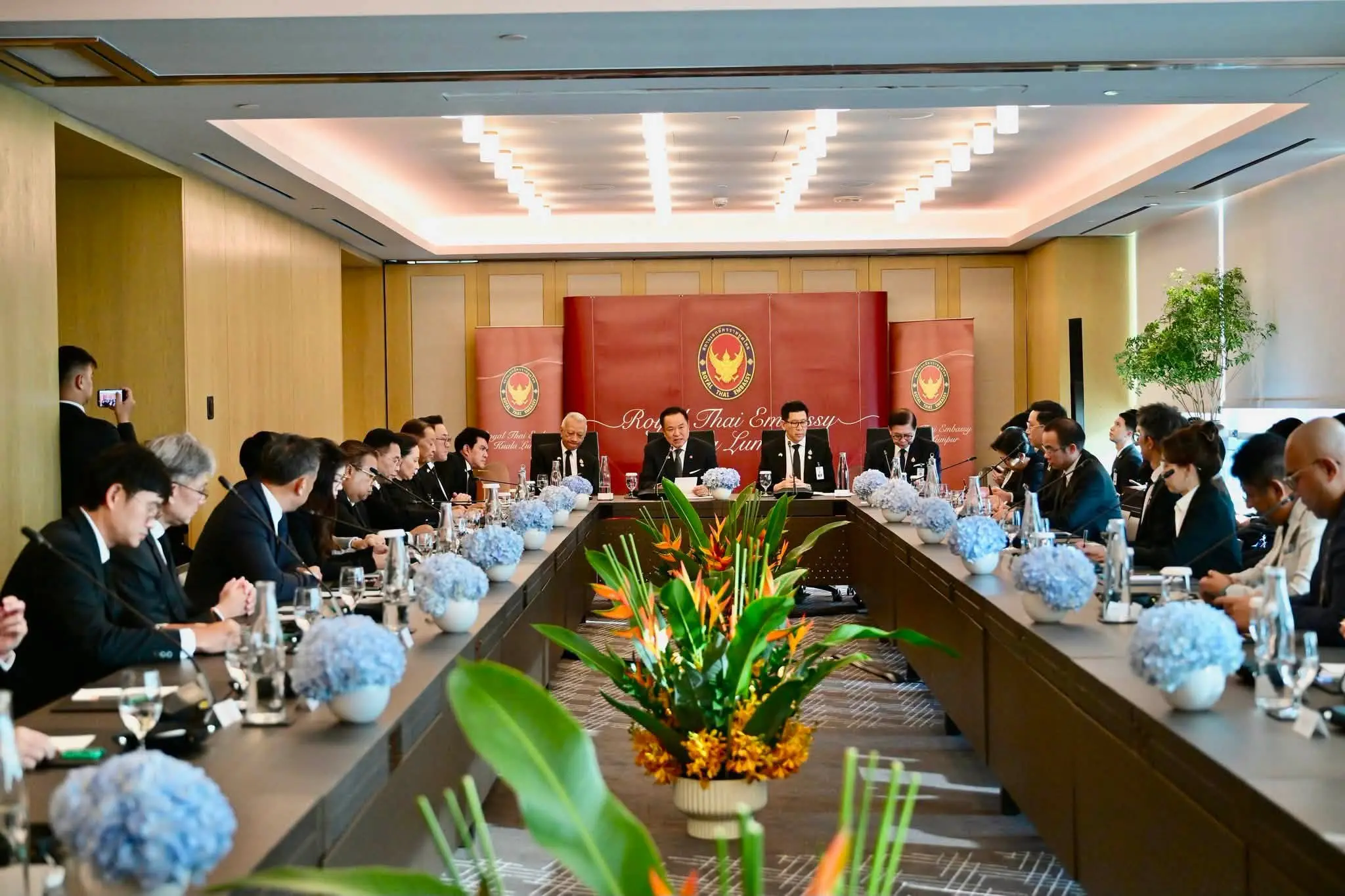
On 9 July 2026,SCG INTERNATIONAL (Malaysia) Sdn. Bhd., represented by Ms. Chomplearn Sumethasorn, Malaysia Office Manager, ASEAN Region, participated in the Prime Minister’s Dialogue with the Thai Business Community in Malaysia, organized by the Royal Thai Embassy in Kuala Lumpur during the official visit of H.E. Mr. Anutin Charnvirakul, Prime Minister and Minister of Interior of Thailand
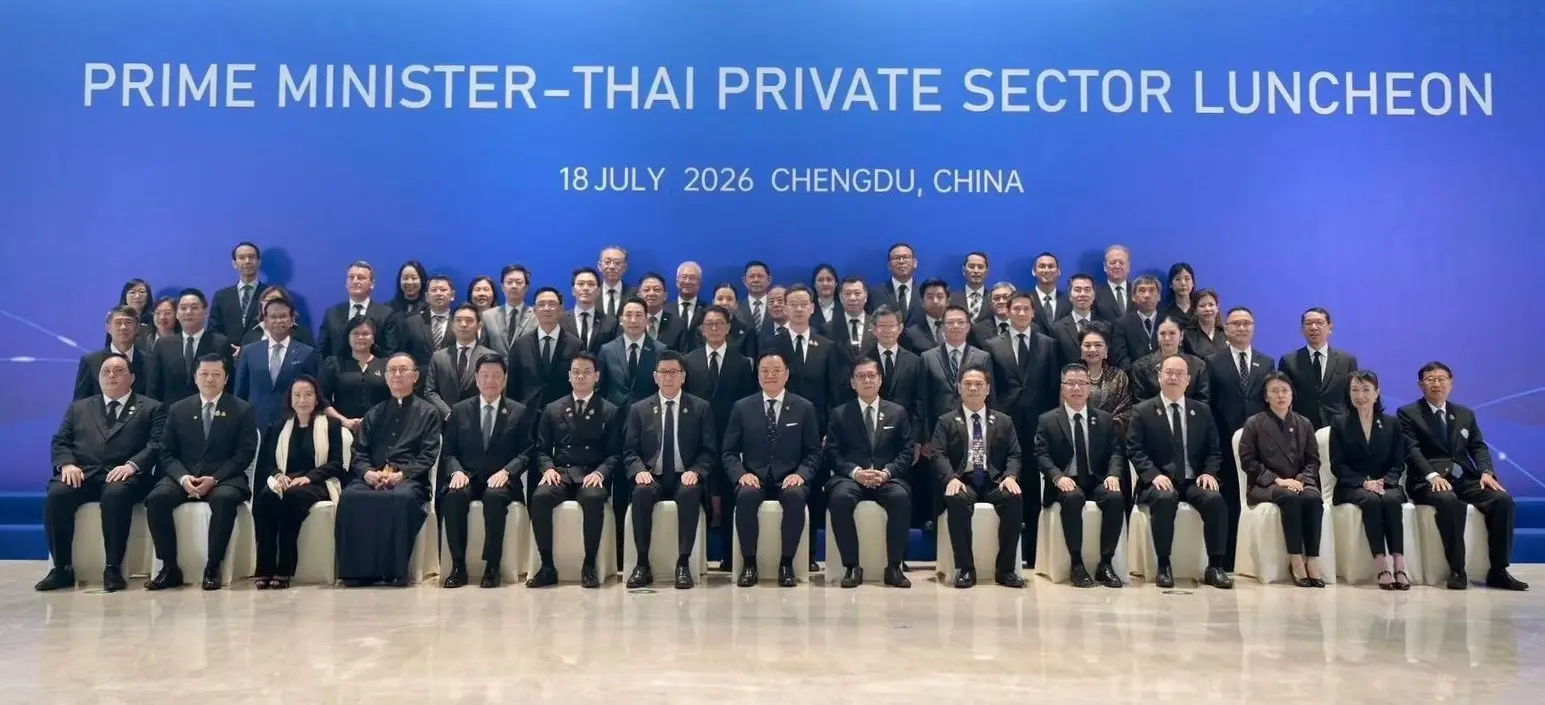
SCG executives joined the Thailand Business Roadshow to Chengdu 2026 and the opening ceremony of the BOI Office in Chengdu, supporting Thailand’s efforts to strengthen economic cooperation and investment opportunities with Western China