


AKUBIG and SCG International: Celebrating a Trusted Partnership in Malaysia
Strong business partnerships are built over time — through trust, collaboration, and a shared commitment to creating value.
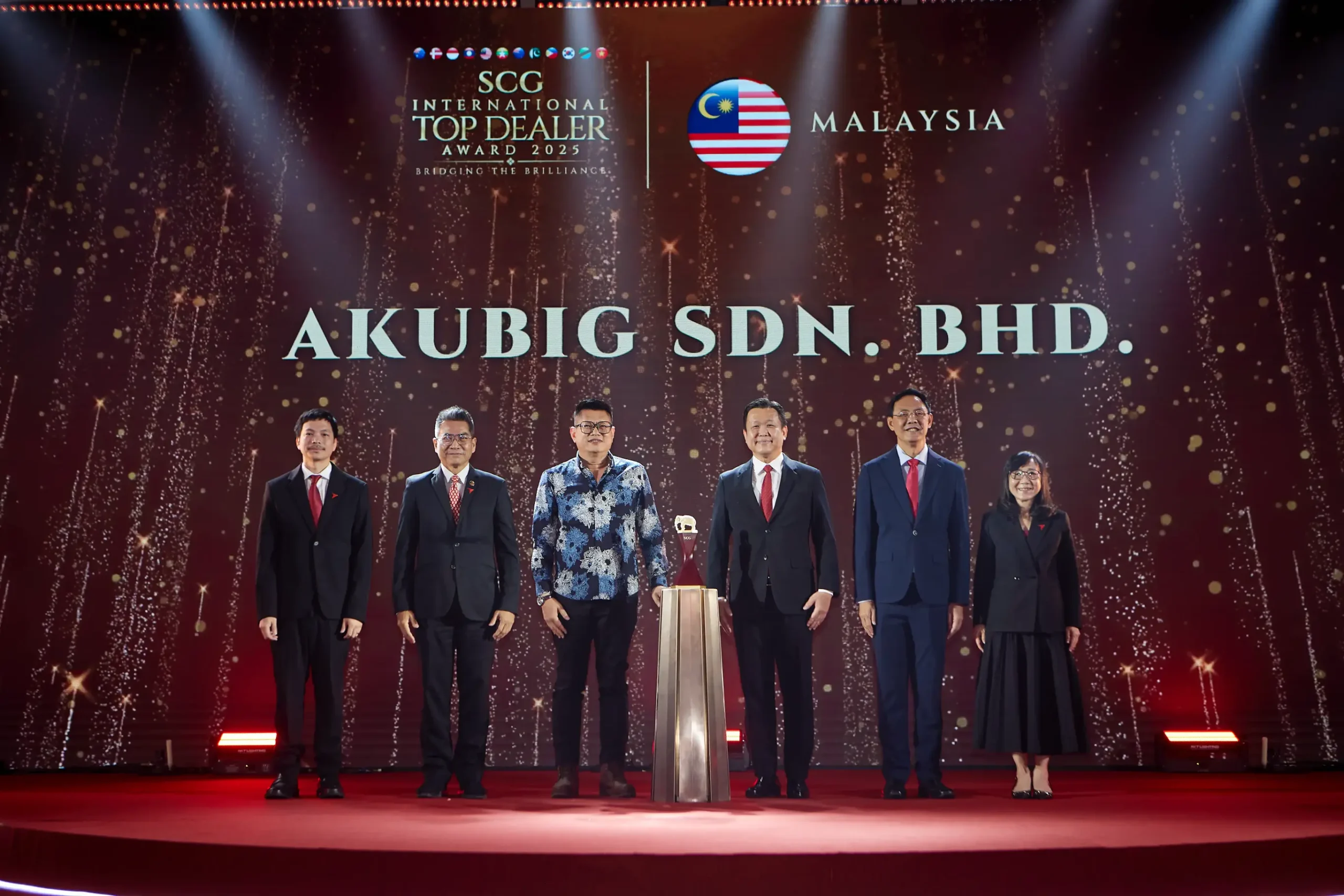
At the SCG INTERNATIONAL TOP DEALER AWARD 2025, held from 7–9 August 2026 in Bangkok, Thailand, SCG celebrated the achievements of its international dealer partners and recognized the strong relationships that continue to drive mutual growth across global markets.
Among the recognized partners was AKUBIG SDN. BHD. from Malaysia, represented by Mr. Lam Kian Guan, Managing Director. The recognition marks an important milestone in the long-standing partnership between AKUBIG and SCG, reflecting years of trust, collaboration, and a shared commitment to delivering value.