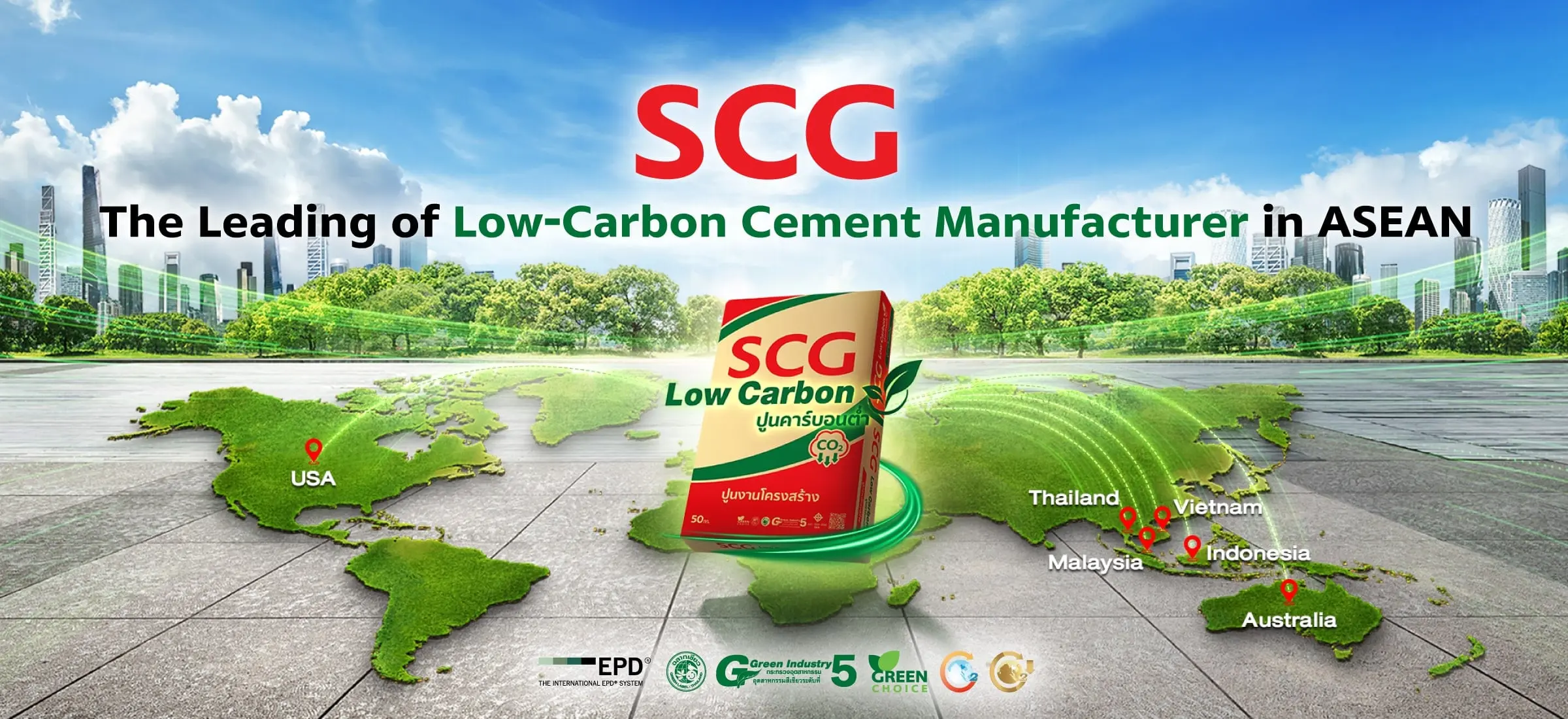

SCG, ASEAN’s leading cement manufacturer, today co-hosts INTERCEM Asia 2025, an event of the world’s leading cement industry conference and exhibition series. Running from 6 to 8 May 2025 in Bangkok, the conference brings together key cement industry stakeholders from around the globe. As co-host, SCG is set to drive the industry’s low-carbon cement innovation and demonstrate its vision and capability as a regional leader in innovative building materials and sustainable solutions, while highlighting Thailand’s strategic position in Asia’s cement industry.
As part of INTERCEM series of the world’s premier events for cement industry professionals, INTERCEM Asia 2025 provides participants with deep insights into global cement industry trends and directions, including emerging innovations, technologies, and new approaches for the industry’s transformation. With Thailand as the host country this year, the conference puts Thailand’s cement industry in the spotlight and marks a significant milestone in SCG’s “Inclusive Green Growth” mission, presenting its strategic perspectives on the industry’s transition towards sustainable business models and low-carbon cement innovation in response to increasingly stringent global environmental regulations.
A Crucial Time When Green Innovation Has Become Imperative for Business Survival
INTERCEM Asia 2025 is the platform for global cement industry to discuss its urgent need to transform. The cement industry currently accounts for 7-8% of global CO2 emissions. Manufacturers worldwide face mounting pressure to address environmental challenges, particularly with new regulatory measures such as the EU’s Carbon Border Adjustment Mechanism (CBAM) and Carbon Tax. These regulations will significantly impact competitiveness and production costs for cement manufacturers in Thailand and ASEAN, as well as their global export opportunities.
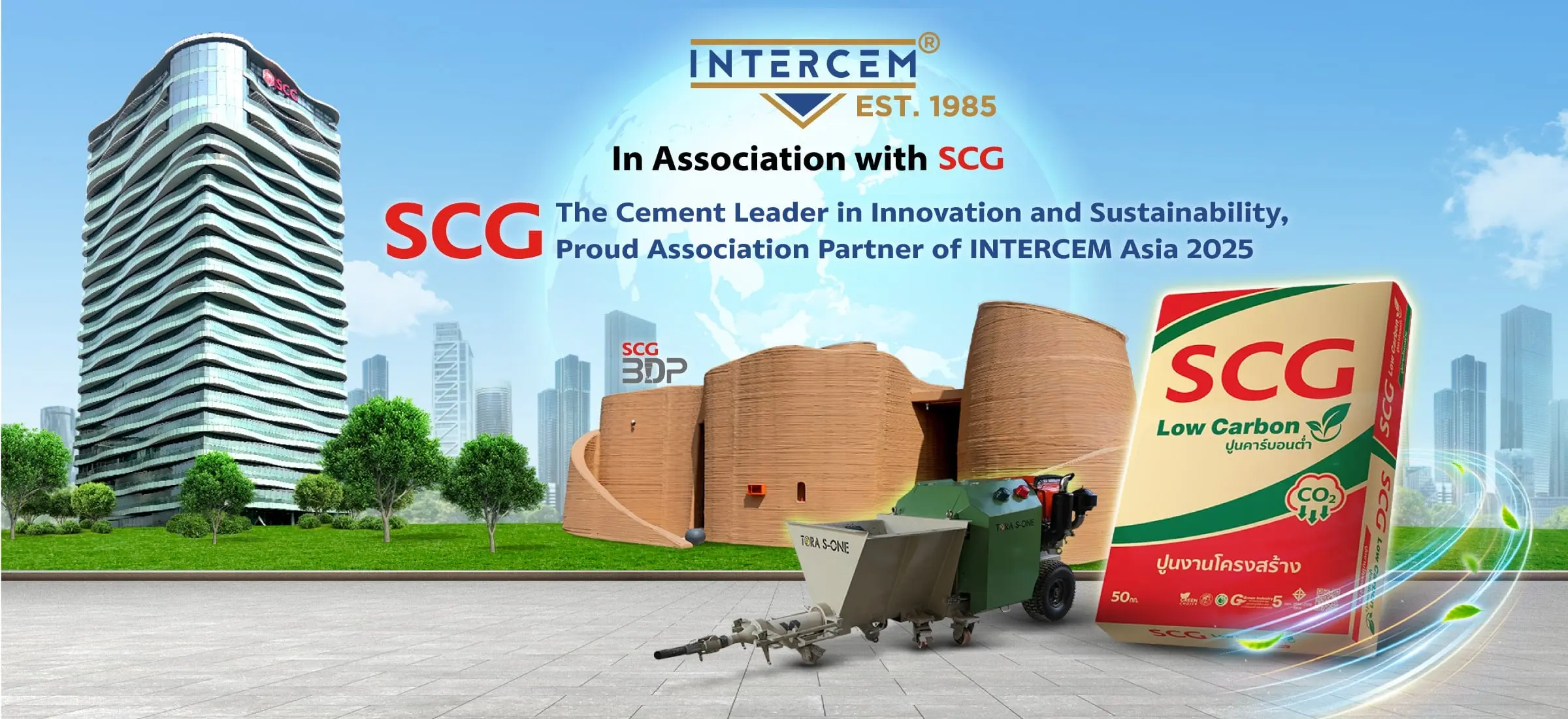
Amid these challenges, SCG has consistently invested in low-carbon cement innovation, establishing itself as a regional leader through strategic preparation in research and development, production technology, and marketing opportunities. At INTERCEM Asia 2025, SCG will showcase its groundbreaking first-to-market innovations :
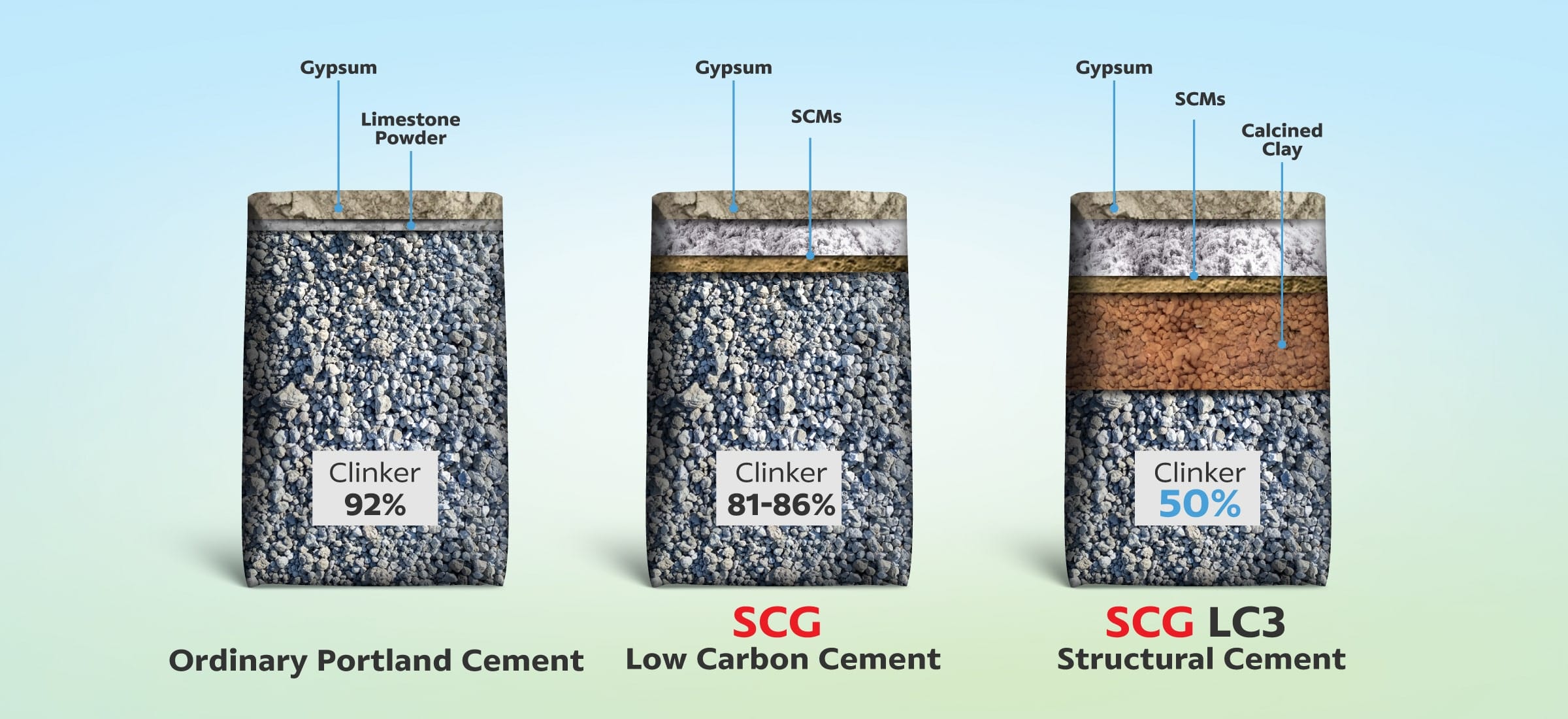
SCG LC3 Structural Cement
Thailand’s pioneering low-carbon cement, developed through SCG’s proprietary knowledge, reduces CO₂ emissions by 38% compared to conventional products while maintaining superior strength and versatility. The company aims to achieve 50% reduction in the near future, setting new standards for the ASEAN cement industry.
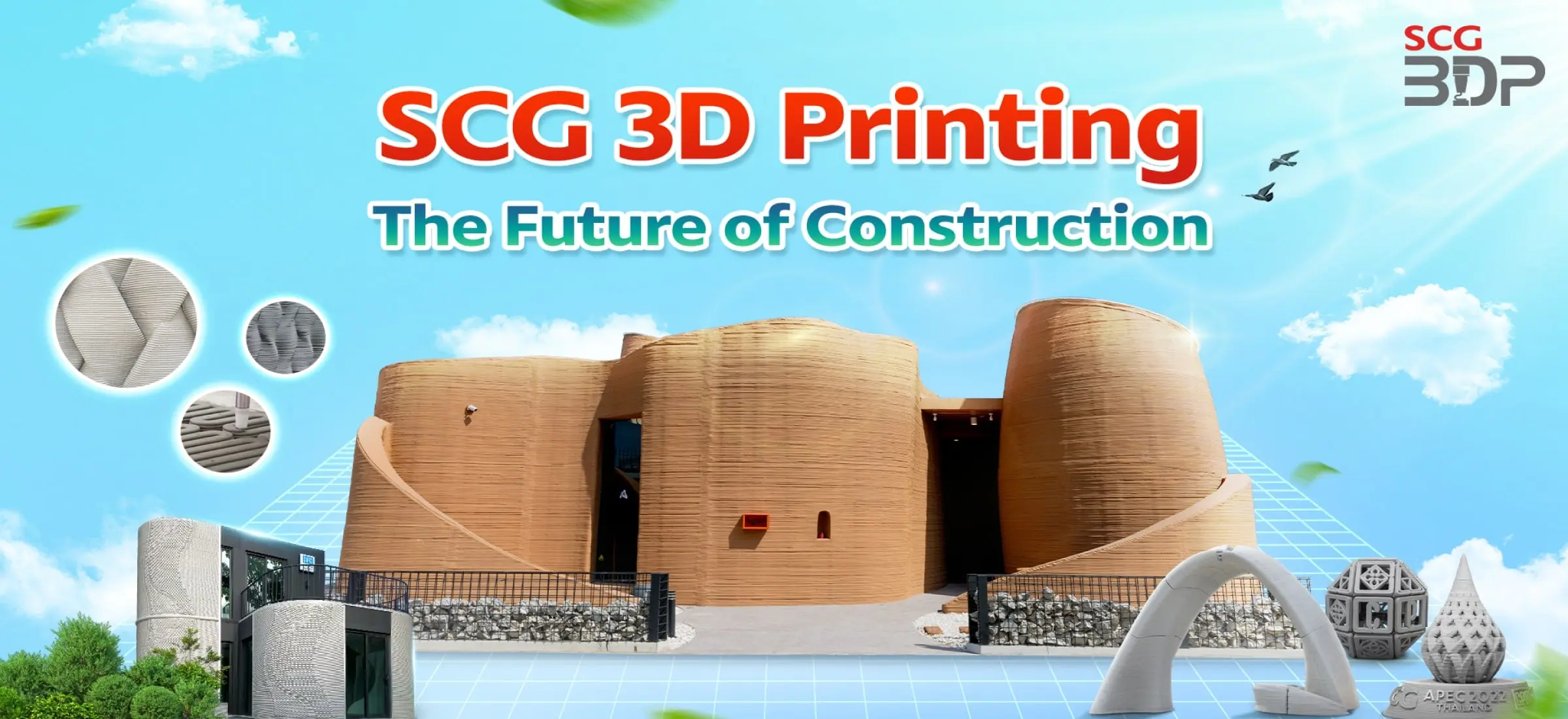
SCG 3D Printing
Thailand’s pioneering low-carbon cement, developed through SCG’s proprietary knowledge, reduces CO₂ emissions by 38% compared to conventional products while maintaining superior strength and versatility. The company aims to achieve 50% reduction in the near future, setting new standards for the ASEAN cement industry.
TORA S-ONE
An innovative diesel-powered cement spraying and plastering machine that increases wall plastering speed by 40% while optimizing material usage, addressing skilled labor shortages and elevating Thailand’s construction standards.
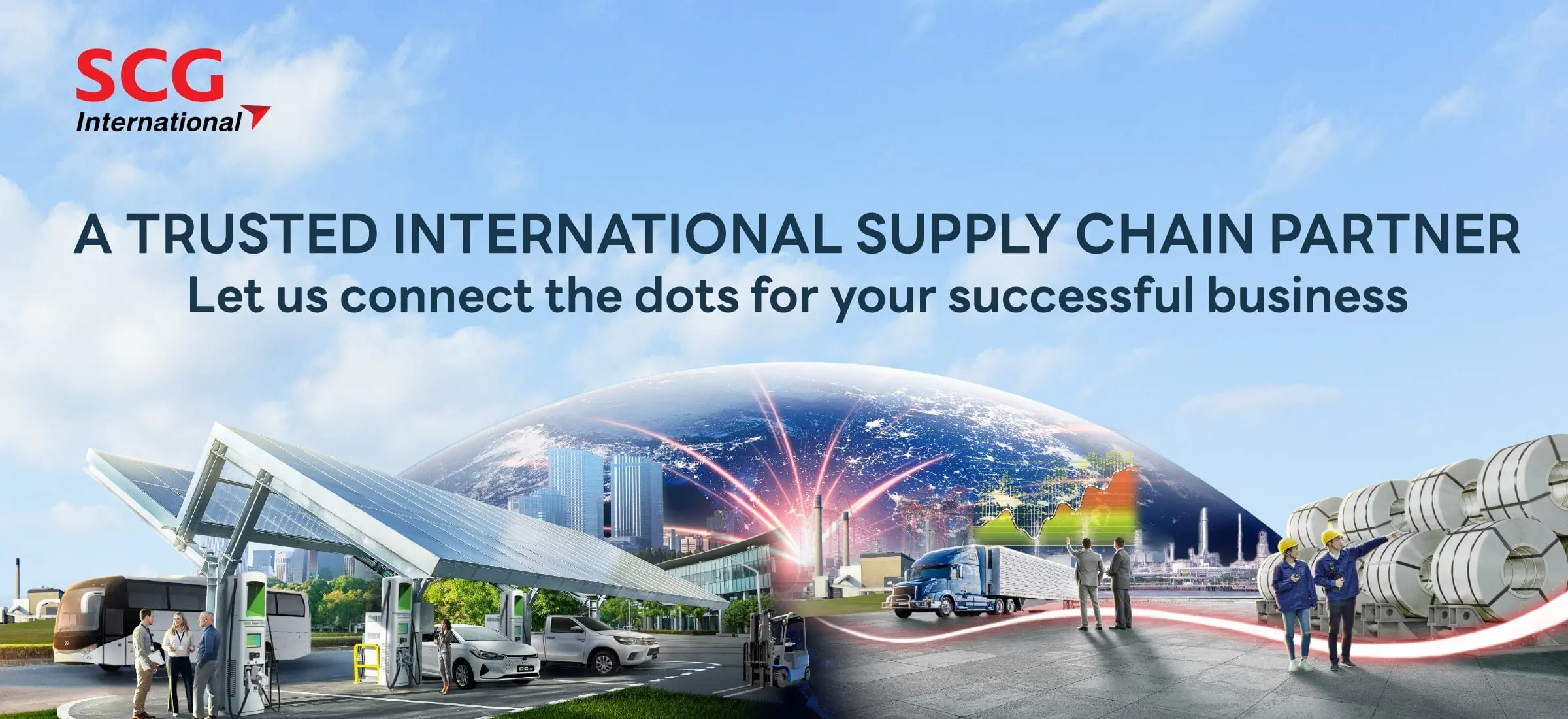
SCG International
Comprehensive end-to-end supply chain solutions helping partners reduce carbon footprint and enhance competitiveness, covering raw material procurement through final delivery.
Product Innovation and Eco-friendly Manufacturing
Go Hand in Hand
Beyond product innovation, SCG has made significant investments in environmentally friendly production processes, including :
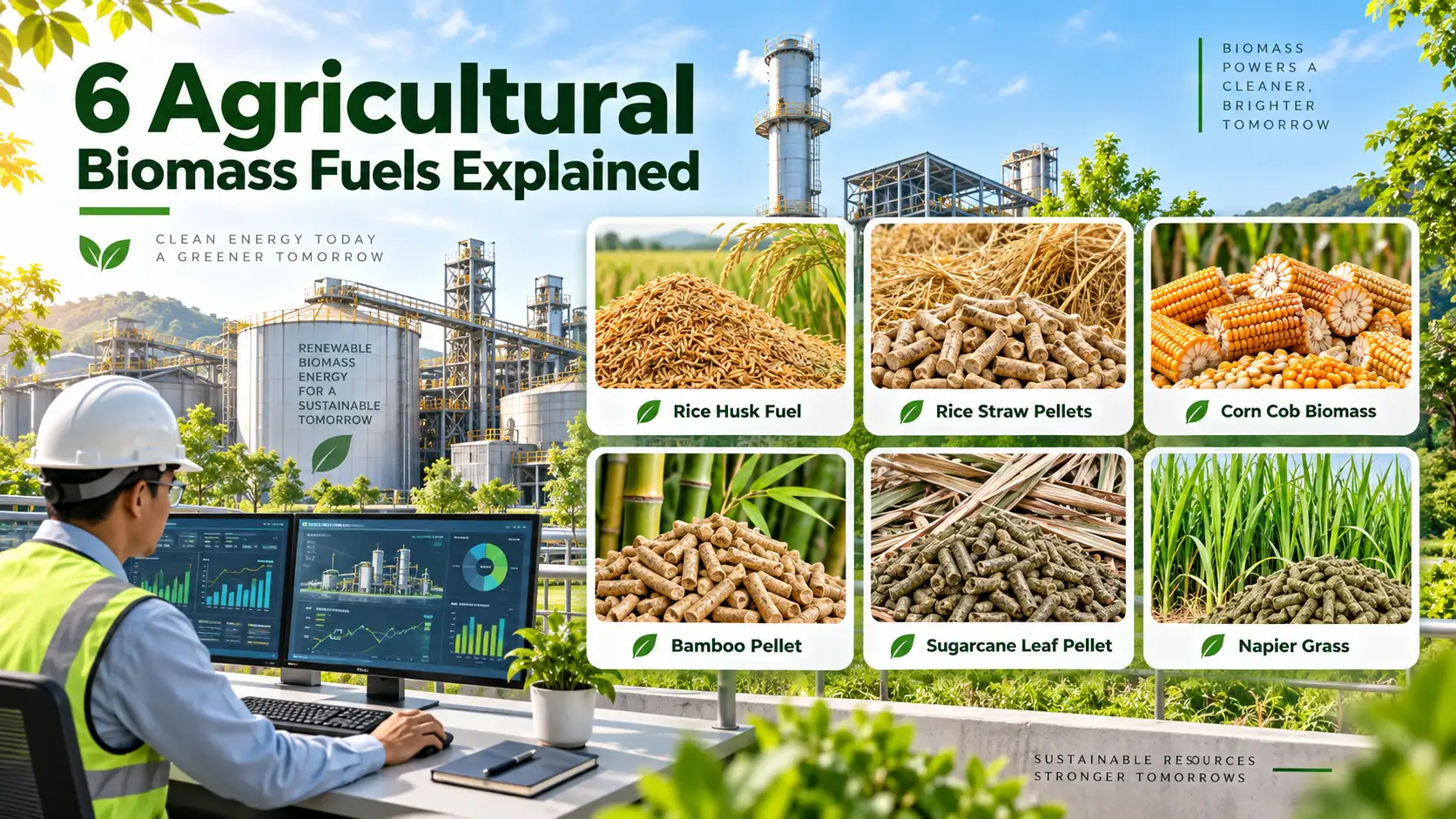
Increasing biomass fuel usage to over 45%, utilizing rice husks and straw to replace fossil fuels
Expanding solar power utilization to 40% and implementing waste heat recovery systems from production processes
Transitioning to Low-carbon Cement Not Just Adaptation for Survival, But Standardization for Long-term Competitiveness
SCG foresees that transitioning to low-carbon cement is not merely about adaptation for survival, but a strategic opportunity to enhance long-term competitiveness of the cement industry in Thailand, ASEAN, and globally. For Thailand, this will also be the opportunity to achieve global leadership in sustainable cement production and construction.
Starch is a key raw material used to produce products in various industries, especially tapioca starch, which plays an important role in the production of adhesives, textiles, biodegradable materials, and paper, as well as in food products like pasta, snacks, instant foods, semi-finished foods, sweeteners, and even medical products.
Although the flooring and tile industry has shown continuous growth post-pandemic, driven by increased investment in both public and private construction projects, as well as rising home renovation demands, businesses still face intense competition. This includes competing on material quality, offering a wide range of choices to customers, and competing against low-quality, low-priced products. Construction businesses cannot gain a competitive edge over others without a robust and comprehensive supply chain for flooring and tiles.