Search

Who Are Thailand’s Most Reliable Global Trading Partners

Share this post :

Facebook
LinkedIn
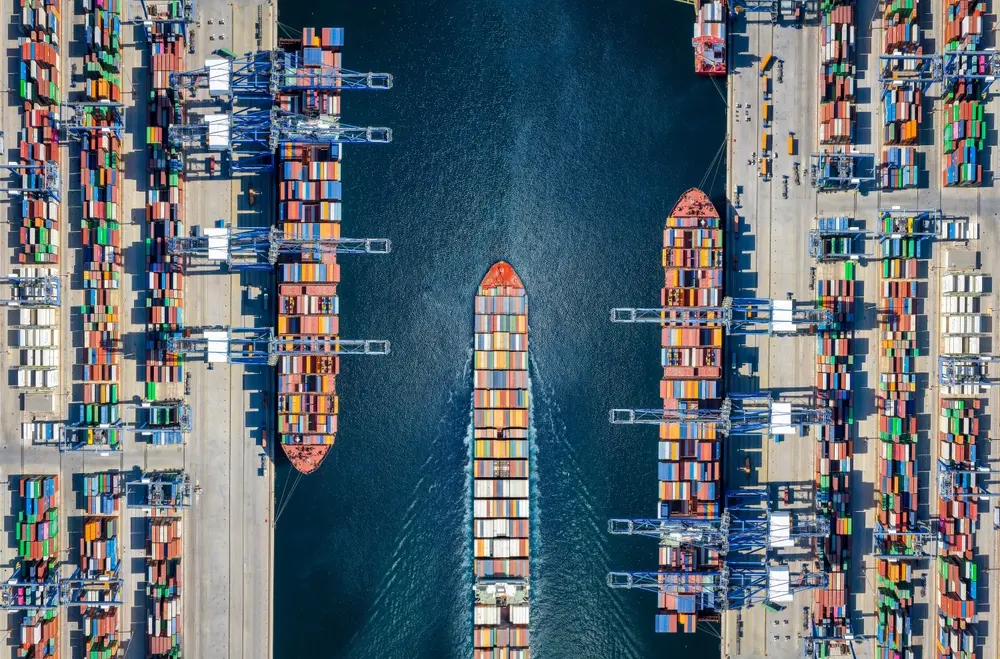
Aerial view of container cargo ships at a pier

Key takeaways

Table of Contents

International business expansion brings increased pressure to maintain stable supply chains, trustworthy sourcing networks, and trusted business partners. As global markets become more connected, companies are no longer simply selecting suppliers. They are choosing long-term business partners capable of supporting growth across multiple markets.

For organizations entering Southeast Asia or expanding international operations, Thailand continues to play a major role in regional and global trade. The country’s strategic location, manufacturing capabilities, and established logistics infrastructure make it one of ASEAN’s most important commercial hubs.

The Importance of Choosing a Reliable Global Trading Partner

International expansion brings significant opportunities but also introduces operational complexity. Companies entering new regions often face unfamiliar regulations, fragmented supplier ecosystems, customs requirements, logistics disruptions, and market-entry risks.

Working with an unvetted supplier or inexperienced intermediary can lead to delayed shipments, product inconsistencies, compliance issues, supply shortages, financial and contractual disputes, and higher operational costs. A reliable global trading partner helps businesses reduce these risks while creating more resilient supply chains. With the right partner, you can achieve better supply continuity, regional market access, speed-to-market, cross-border coordination, cost predictability, and long-term operational stability.

Companies scaling internationally increasingly look for partners capable of integrating sourcing, logistics, distribution, and regional market expertise into a coordinated network.

Overview of Thailand in Global Trade

Thailand remains one of the manufacturing hubs for the ASEAN region. The scale of its trade network is massive: data from the Ministry of Commerce show that Thailand’s global export volume reached a record of US$339.64 billion, reflecting a strong baseline demand despite broader macroeconomic shifts.

With its world-class infrastructure, deep-sea ports, advanced industrial estates, and advantageous regional trade agreements, the country functions as an essential conduit linking local and global markets. In particular, Thailand drives international supply chains across several key industries:

– Electronics and Digital Infrastructure: Driven heavily by global technology upgrades and AI data center expansions, automatic data processing machines and electrical components continue to be top performers.

– Automotive Manufacturing and Parts: A long-standing regional anchor for automotive assembly and specialized components.

– Industrial Materials and Packaging: High-grade construction inputs, chemicals, and plastic packaging.

– Agriculture and Advanced Food Processing: High-demand regional commodities, including fresh fruits (such as durian) and processed food products.
Who is Thailand Trading With?

While Thailand maintains robust commercial ties with North America, Europe, and the Middle East, its trade DNA is deeply intertwined with the Asia-Pacific region. According to data from Thailand’s Board of Investment (BOI), the country’s export market is heavily anchored by six primary buyers, the United States, mainland China, Japan, India, Malaysia, and Vietnam, which collectively purchase nearly half of all Thai exports.

China as Thailand’s Largest Trading Partner

Who is Thailand’s top trading partner today? Mainland China remains Thailand’s largest overall trading partner by total trade value. Thailand imports machinery, electronics, industrial inputs, and raw materials from China while exporting agricultural products, electronics, rubber, chemicals, and automotive products into the Chinese market. This massive exchange underpins Thailand’s internal manufacturing ecosystem, allowing it to re-export high-value finished goods back into China. Globally, China’s role continues to grow due to regional manufacturing integration, expanding ASEAN-China trade agreements, infrastructure investments, and the development of cross-border logistics.

The Importance of the United States, Japan, and ASEAN Neighbors

The United States remains a critical export market for Thai products, especially electronics, automotive products, food, and industrial goods. Meanwhile, Japan continues to maintain a strong influence through automotive manufacturing investments, industrial production, and long-standing supply chain integration in Thailand.

Neighboring ASEAN countries are also essential due to regional manufacturing networks and cross-border trade flows. ASEAN member countries maintain strong trade relationships with each other through regional manufacturing, logistics, and supply chain integration. Thailand, Malaysia, Vietnam, Indonesia, and Singapore frequently operate within interconnected production networks that support electronics, automotive, agriculture, and industrial manufacturing.

Emerging Trade Partners and Market Shifts

In recent years, Thailand has expanded commercial relationships with Middle Eastern markets, South Asia, and Africa. This diversification helps businesses reduce dependence on a limited number of markets while opening new growth opportunities.

Growth of Middle East Markets for Thai Trade

The Middle East has become an increasingly important growth market for Thailand and ASEAN businesses. Countries such as the United Arab Emirates, Saudi Arabia, and Qatar continue to expand imports across sectors, including construction materials, food and beverages, industrial products, chemicals, and consumer goods. Saudi Arabia, in particular, has gained stronger economic importance following renewed diplomatic and commercial cooperation with Thailand.

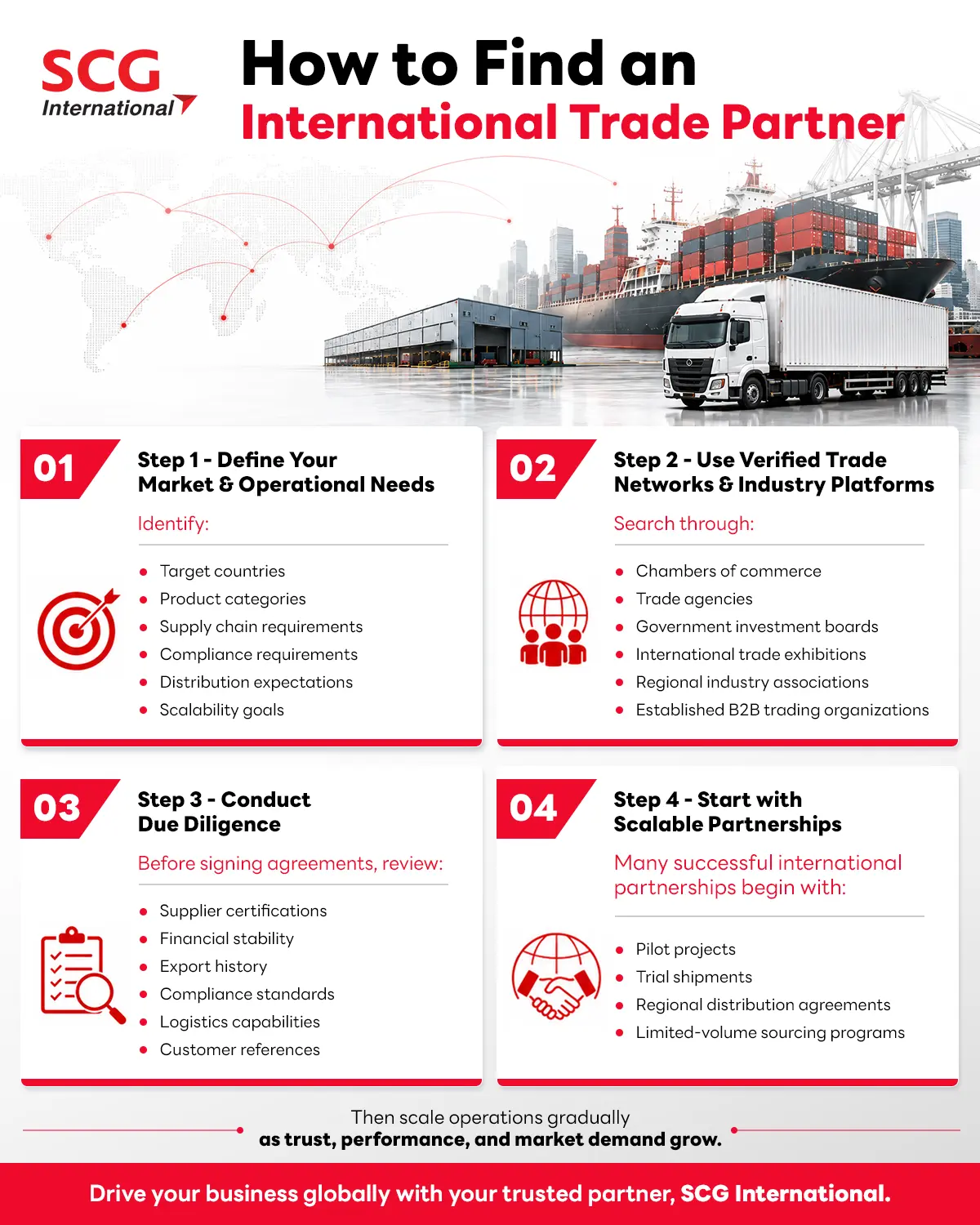
How to Find an International Trade Partner ?

Step 1 – Define Your Market and Operational Needs

Companies should first identify target countries, product categories, supply chain requirements, compliance needs, distribution expectations, and scalability goals.

Step 2 – Use Verified Trade Networks and Industry Platforms

Useful sources include the chambers of commerce, trade agencies, government investment boards, international trade exhibitions, regional industry associations, and established B2B trading organizations.

Step 3 – Conduct Due Diligence

Before entering into agreements, businesses should review supplier certifications, financial stability, export history, compliance standards, logistics capabilities, and customer references.

Step 4 – Start with Scalable Partnerships

Many successful international partnerships begin with pilot projects or regional distribution agreements before expanding into larger operations.

Criteria for Evaluating a Reliable Global Trading Partner

A reliable global trading partner should provide more than sourcing support. Businesses should evaluate:

– Financial Stability and Long-Term Reputation: Established organizations with strong operational history often provide greater continuity during market disruptions.

– Supply Chain and Logistics Expertise: Global trade requires coordination across customs, warehousing, freight, documentation, distribution, and regional regulations.

– Local Market Knowledge: Regional expertise remains essential when navigating ASEAN, Middle Eastern, and international markets.

– Transparent Communication: Long-term partnerships depend on operational visibility, accountability, and responsiveness.

Why Thailand and ASEAN Continue to Matter for Global Expansion

Thailand remains strategically positioned between ASEAN, China, South Asia, and the Middle East. Businesses working with regional partners anchored in Thailand can often benefit from regional logistics access, manufacturing ecosystems, ASEAN trade agreements, multi-country distribution opportunities, and supplier diversification. As companies build more resilient supply chains, ASEAN is becoming increasingly important for international sourcing and distribution strategies.

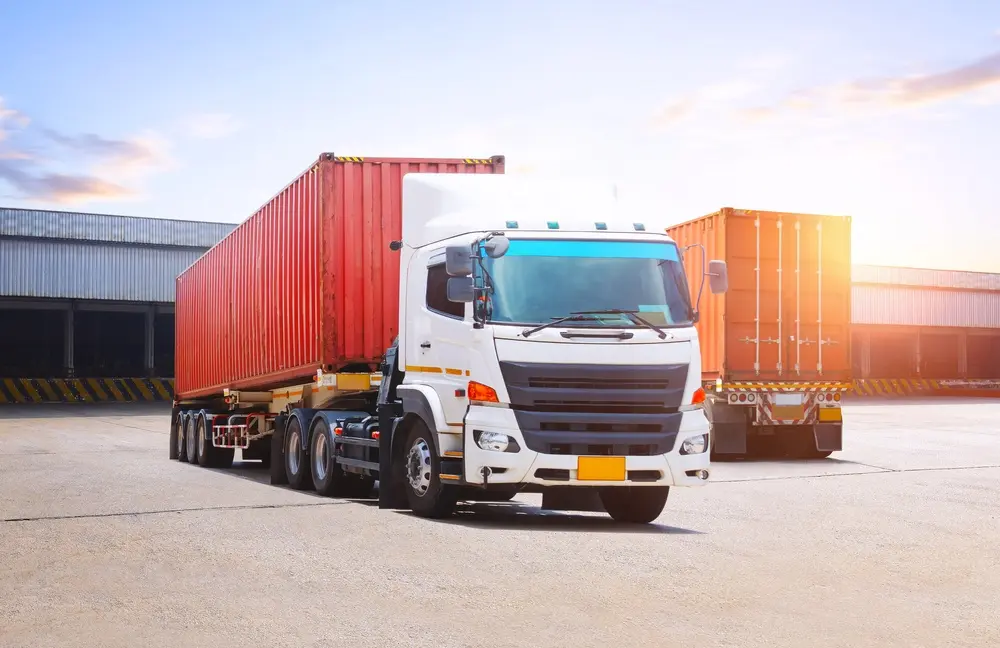
Semi-trailer trucks at a logistics warehouse

SCG International: A Trusted Global Business Partner

SCG International supports businesses expanding across regional and international markets through scalable sourcing, supply chain, and distribution capabilities. Backed by SCG’s long-standing business foundation and international network, SCG International works with companies seeking long-term operational stability, regional sourcing support, cross-border distribution, market expansion assistance, and supply chain resilience.

SCG International operates as a trusted B2B global business partner connecting businesses across industries and markets. SCG International supports partners through global sourcing, distribution management, supply chain coordination, logistics support, market-entry assistance, and regional partnership development. This integrated model helps businesses expand efficiently while reducing operational complexity.

For organizations evaluating international expansion opportunities, long-term partnership capability often matters more than short-term procurement pricing alone. SCG International helps businesses strengthen regional connectivity while building scalable and resilient supply chain operations across ASEAN and beyond. Contact us for more information.

References :

Thailand’s Advantages. Retrieved on 18 May 2026 from https://www.boi.go.th/index.php?page=thailand_advantages&language=en

Report on Thailand’s International Trade Statistics (Year). Retrieved on 18 May 2026 from https://tradereport.moc.go.th/en/stat/reportyear03

Thailand’s Top Trading Partners. Retrieved on 18 May 2026 from https://www.worldstopexports.com/thailands-top-import-partners/

Thailand’s Trade Statistic Report System. Retrieved on 18 May 2026 from https://tradereport.moc.go.th/en

Frequently Asked Questions (FAQ)​

Thailand has strong manufacturing capabilities, strategic logistics infrastructure, regional trade agreements, and direct access to ASEAN markets, making it an important center for sourcing, production, and distribution.

Thailand’s major trading partners include China, the United States, Japan, Malaysia, Vietnam, Singapore, Indonesia, India, Taiwan, Australia, and the United Arab Emirates.

China is ASEAN’s largest external trading partner and has maintained this position for many consecutive years due to extensive regional manufacturing and supply chain integration.

ASEAN offers access to rapidly growing economies, integrated manufacturing networks, expanding consumer markets, and strategic trade connectivity across the Asia-Pacific region.

Businesses often reduce risk by working with experienced regional partners that provide sourcing support, logistics coordination, compliance expertise, and local market knowledge.

Companies should evaluate operational stability, supplier networks, logistics capabilities, compliance management, regional expertise, communication transparency, and long-term partnership potential.

Markets such as the UAE and Saudi Arabia continue increasing imports across industrial products, food, construction materials, and manufacturing sectors, creating new regional growth opportunities for Thai exporters and global businesses.

SCG International supports businesses through sourcing, supply chain coordination, logistics management, regional distribution, and market expansion assistance across ASEAN and international markets.

Related Posts

SCG Concrete Roof Australia Jewel C Series

Top Concrete Roof Tile Profiles in Australia: Jewel C, Sadie E, True Flat

Among the concrete roof tiles types offered by SCG, three distinct personalities define the current lineup. Jewel C delivers classic, bold waves that cast deep, traditional shadows across the roofline. Stepping toward a softer aesthetic, Sadie E offers elegant, subtle curves that smoothly bridge heritage and contemporary styles. For a sleek, minimalist finish, the True Flat mimics a smooth slate tablet, keeping architectural lines sharp and modern.

Tapioca and corn starch supplier from scg international

Driving Starch Procurement with Comprehensive Supply Chain Solutions

Starch is a key raw material used to produce products in various industries, especially tapioca starch, which plays an important role in the production of adhesives, textiles, biodegradable materials, and paper, as well as in food products like pasta, snacks, instant foods, semi-finished foods, sweeteners, and even medical products.

Different types of flooring laid out on display

Solve Flooring and Tile Procurement Issues with Our Supply Chain Solutions

Although the flooring and tile industry has shown continuous growth post-pandemic, driven by increased investment in both public and private construction projects, as well as rising home renovation demands, businesses still face intense competition. This includes competing on material quality, offering a wide range of choices to customers, and competing against low-quality, low-priced products. Construction businesses cannot gain a competitive edge over others without a robust and comprehensive supply chain for flooring and tiles.

I’m Here To Assist You

Contact us today

Please read Terms and Conditions, Privacy Notice, Cookies Notice, and I
I acknowledge that I can withdraw the given consent at any time, and I have understood the terms and conditions and how my personal data is processed.