Search

SCG Sustainable Building Materials Australia: 2026 Green Star

Share this post :

Facebook
LinkedIn
australia green building materials

Key takeaways

EPDs are the key proof point

Use third-party verified Environmental Product Declarations to compare embodied carbon (especially A1–A3 GWP) and avoid greenwashing.

Green Star rewards transparency

EPD-backed materials score better under the GBCA Responsible Products Framework 2026 and help lift Responsible Products Value across structure, envelope, and finishes.

SCG’s standout 2026 materials focus on performance + lower carbon

low-carbon cladding, AS 1530-compliant fire-resistant cement boards with reduced-clinker mixes, and high-R insulation panels that cut HVAC demand.

Procurement affects Scope 3 and circular outcomes

EPD data enables accurate supply-chain carbon accounting, and products designed for disassembly/reuse support circular economy goals.

Buyers should plan early to meet NCC expectations and manage cost

require EPDs in tenders, integrate material choices at schematic design, map Green Star points early, and prioritize multi-functional materials to reduce lifecycle cost.

The Australian construction industry is undergoing a profound and necessary transformation. As we look toward an environmentally conscious future, the push for Net Zero emissions has fundamentally changed how we design sustainable architecture, source, and build. At the forefront of this shift is the demand for verifiable, low-carbon, and highly efficient products and green building materials. For developers, architects, and builders, navigating this new landscape requires a deep understanding of environmental impact data and industry certifications.

Welcome to the ultimate SCG Sustainable Building Materials in Australia 2026 : Green Star & EPD Buyer’s Guide. In this comprehensive resource, we will explore the pivotal role of SCG (Siam Cement Group) in delivering top-tier green building materials, unpack the complexities of Environmental Product Declarations (EPDs), and show you how to leverage these innovations to meet Australia’s stringent upcoming building standards. This guide also highlights eco-friendly products that align with Australia’s path to Net Zero.

The Evolution of Sustainable Architecture in Australia

building in australia
Australia building

The concept of sustainable architecture is no longer a niche design trend; it is a regulatory requirement and an industry standard. Historically, the focus of green building was primarily on operational carbon—the energy used to heat, cool, and power a building. However, as the grid becomes greener, the spotlight has shifted toward embodied carbon.

Achieving meaningful embodied carbon reduction in Australian construction means scrutinizing the emissions generated during the manufacturing, transportation, installation, and eventual disposal of building materials. As we approach the middle of the decade, the industry is preparing for stricter regulations. A critical component of this preparation involves understanding the guide to 2026 NCC sustainability compliance. The National Construction Code (NCC) is consistently raising the bar for thermal performance, energy efficiency, and overall environmental impact, forcing the supply chain to adapt rapidly.

To meet these demanding targets, professionals are turning to innovative sustainable building materials and other green building materials. Whether you are designing a commercial high-rise in Sydney or a residential eco-village in Melbourne, the foundation of modern construction relies heavily on certified eco-friendly materials.

Understanding EPDs: The Blueprint for Transparency

epd in australia
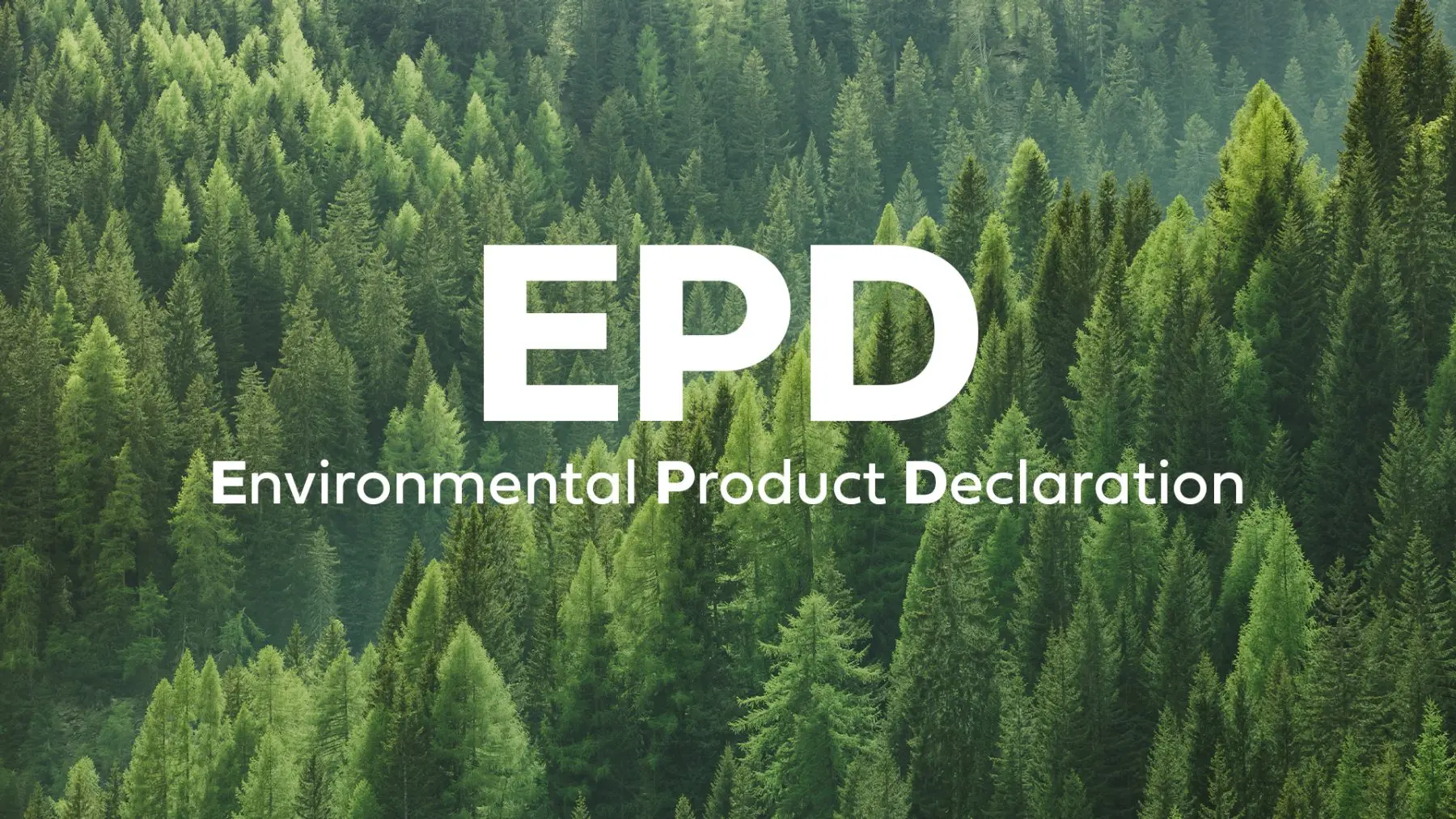
EPD : Environmental Product Declaration

To combat greenwashing, the construction industry relies on Environmental Product Declarations (EPDs). An EPD is an independently verified and registered document that communicates transparent and comparable data about the environmental impact of products. The Life Cycle Assessment of Construction Materials

An EPD is based on a comprehensive life cycle assessment of construction materials (LCA). The LCA evaluates a product from “cradle to grave” (or increasingly, “cradle to cradle”). It looks at:

– A1-A3 (Production Stage): Raw material extraction, transport to the factory, and manufacturing.

– A4-A5 (Construction Stage): Transport to the building site and the installation process.

– B1-B7 (Use Stage): Maintenance, repair, replacement, and operational energy/water use.

– C1-C4 (End of Life Stage): Deconstruction, transport, waste processing, and disposal.

– D (Benefits and Loads Beyond System Boundaries): Potential for reuse, recovery, or recycling.

These verified documents support responsible procurement of sustainable building materials Australia and guide the selection of eco-friendly materials for compliant specifications.

How to Read Environmental Product Declarations for Architects

For design professionals, knowing how to read environmental product declarations for architects and sustainable architecture teams is a crucial skill. When reviewing an EPD, focus primarily on the Global Warming Potential (GWP) metric, which is usually expressed in kilograms of CO2 equivalent (kg CO2-eq). Compare the GWP of the A1-A3 phases to understand the product’s upfront embodied carbon. Ensure that the EPD complies with international standards like EN 15804 and ISO 14025, and check its validity date. Why Use EPD Certified Materials for Green Star Ratings?

You might ask: why use EPD certified materials for green star ratings? The answer is twofold. Firstly, EPDs provide the verified data necessary to prove your building’s low-carbon credentials. Secondly, the Green Building Council of Australia (GBCA) actively rewards projects that use transparently reported materials. Utilizing EPD-backed, eco-friendly products directly translates to higher scores, making certification smoother and establishing trust with eco-conscious investors and clients.
Spotlight on SCG International : Leading the Charge in 2026

SCG Green Choice

SCG International  has emerged as a powerhouse in the Asia-Pacific region, heavily investing in research and development to align with global Net Zero targets. So, what are the latest SCG eco-friendly innovations? Let’s break down the cutting-edge eco-friendly products making waves in the Australian market.

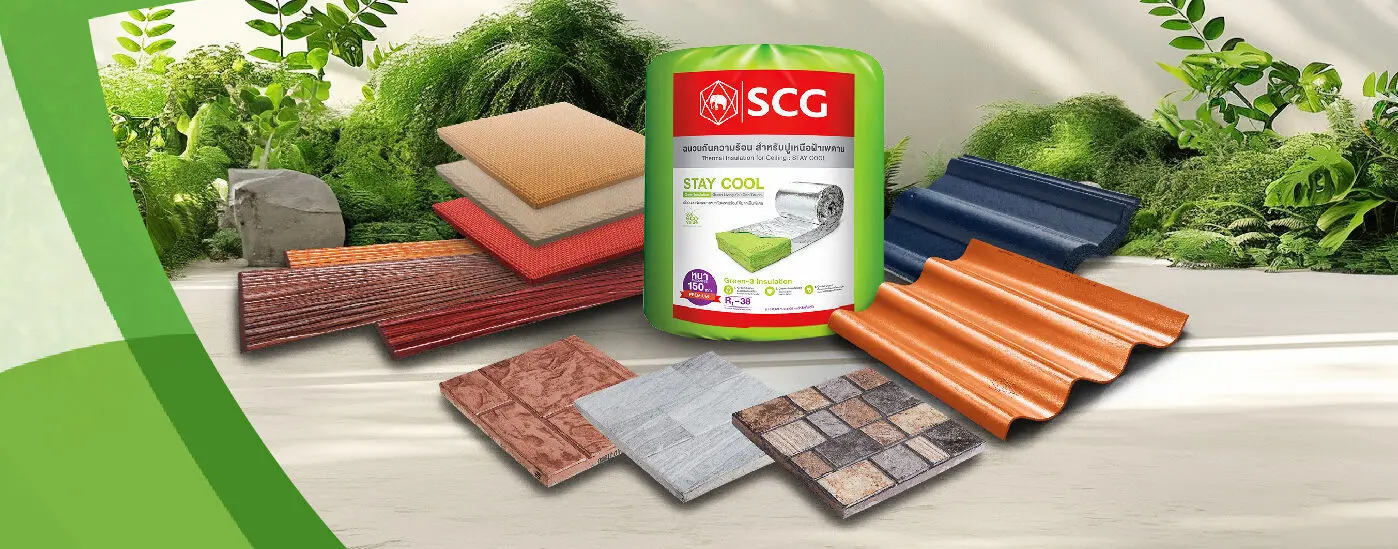
Building exteriors face immense pressure to be visually appealing, weather-resistant, and environmentally sound. SCG’s high-performance sustainable cladding solutions 2026 integrate recycled content and utilize low-carbon manufacturing processes. These cladding panels are not only lightweight—reducing transportation emissions—but they also offer superior durability, meaning they require fewer replacements over the building’s lifespan. 2. Fire-Resistant Sustainable Cement Board Properties

Safety and sustainability must go hand in hand. SCG has developed cement boards that do not compromise on either front. The latest fire-resistant sustainable cement board properties include excellent structural integrity, moisture resistance, and compliance with strict Australian fire standards (AS 1530). More importantly, these boards are manufactured using reduced-clinker formulas and incorporate industrial by-products, significantly lowering their embodied carbon footprint compared to traditional Portland cement-based alternatives. 3. Energy Efficiency Benefits of Advanced Insulation panels

Operational carbon remains a critical factor in any building’s life cycle. SCG addresses this through state-of-the-art insulation technologies. The energy efficiency benefits of advanced insulation panels from SCG include vastly improved thermal resistance (R-value) and reduced thermal bridging. By maintaining stable indoor temperatures, these panels drastically lower the reliance on artificial heating and cooling, perfectly aligning with Section J of the NCC

A Comparison of Low-Carbon Building Materials in Australia

When conducting a comparison of low-carbon building materials in Australia, it becomes evident that not all “green” claims are created equal.

– Traditional Concrete/Steel: High embodied carbon, resource-intensive. EPDs are becoming more common, but baseline GWP remains high.

– Timber/Mass Timber: Excellent carbon sequestration properties and low embodied carbon, though supply chain constraints and specific fire-rating challenges exist for high-rise applications.

– SCG Eco-Friendly Cement Substitutes & Composites: Offer a “middle path” for projects requiring the strength and fire resistance of traditional masonry but with a fraction of the carbon footprint. SCG’s innovative use of fly ash, slag, and proprietary low-carbon binders presents a highly competitive alternative in the sustainable building materials Australia landscape.

By combining timber structures with SCG’s low-carbon cladding and fire-resistant boards, architects can achieve an optimal balance of safety, structural integrity, and environmental performance.

Actionable Tips for Buyers and Architects in 2026

As you navigate the procurement of sustainable building materials for your next project, keep these actionable strategies in mind:

– Demand EPDs Upfront: Make EPDs a non-negotiable requirement in your tender documents. This instantly filters out suppliers who cannot substantiate their green claims.

– Leverage Early Design Integration: Integrate SCG’s low-carbon products during the schematic design phase. The earlier you factor in these materials, the easier it is to optimize the building’s structural load and thermal performance.

– Understand Your NCC Requirements: Use a definitive guide to 2026 NCC sustainability compliance to ensure your chosen materials meet the minimum requirements for thermal bridging, condensation management, and energy efficiency.

– Map Out Green Star Points: Work closely with a Green Star Accredited Professional (GSAP) to map out exactly how SCG materials will contribute to the GBCA responsible products framework 2026. Calculate the Responsible Products Value early in the project.

– Prioritize Multi-Functional Materials: Look for products that solve multiple problems at once. For example, SCG’s advanced cement boards provide both superior fire-resistant sustainable cement board properties and excellent acoustic insulation, reducing the need to purchase secondary materials.

Looking Ahead: The Future of the Built Environment

The year 2026 marks a critical inflection point for the Australian construction sector. With tightening NCC codes, evolving GBCA frameworks, and an overarching societal demand for climate action, the industry can no longer rely on the materials of the past.

Choosing the right sustainable building materials is a profound responsibility. It is about creating healthier indoor environments, protecting natural ecosystems, and future-proofing real estate assets against the impacts of climate change. The integration of SCG sustainable building materials Australia provides a tangible, verifiable pathway to achieving these goals and strengthening outcomes in sustainable architecture.

Frequently Asked Questions (FAQ)​

An EPD is an independently verified, registered document that reports a product’s environmental impacts based on a full life cycle assessment (LCA). When reviewing an EPD, focus on Global Warming Potential (GWP) in kg CO2-eq—especially the A1–A3 production stages—to compare upfront embodied carbon between products. Confirm the EPD follows EN 15804 and ISO 14025, review the LCA system boundaries (A1–A3, A4–A5, B1–B7, C1–C4, D), and check the validity/expiry date to ensure the data is current and comparable.

Under the 2026 framework, products with third-party verified EPDs earn higher Responsible Products Value (RPV), which translates directly into Green Star credit opportunities. Specifying SCG’s EPD-backed materials streamlines documentation and supports credits in Responsible Structure, Responsible Envelope, and Responsible Finishes. This targeted approach helps teams efficiently accumulate points toward 5–Star and 6–Star outcomes while demonstrating transparent, low-carbon procurement.

- High-performance sustainable cladding: Low-carbon manufacturing, recycled content, and lightweight panels that cut transport emissions and extend service life.

- Fire-resistant cement boards: AS 1530-compliant, moisture-resistant, structurally robust boards using reduced-clinker formulas and industrial by-products to lower embodied carbon.

- Advanced insulation panels: Higher R-values and reduced thermal bridging to stabilize indoor temperatures and reduce HVAC loads, aligning with NCC Section J energy efficiency requirements.

SCG’s EPDs provide transparent data to quantify and manage Scope 3 impacts—from manufacturing (A1–A3) to transport and installation (A4–A5)—allowing accurate carbon accounting and targeted offsetting. Many SCG products are designed for disassembly and reuse, supporting circular outcomes at end-of-life (Module D benefits). At the manufacturing level, SCG prioritizes closed-loop water systems and alternative fuels, embedding circularity and emissions reductions into the supply chain.

- Demand EPDs in tenders to filter out unverified “green” claims and select low-GWP options early.

- Integrate SCG’s low-carbon materials during schematic design to optimize structure, loads, and thermal performance.

- Align with the 2026 NCC (e.g., thermal bridging, condensation management, Section J energy efficiency).

- Map Green Star points with a GSAP and calculate RPV early to prioritize high-impact specifications.

- Choose multi-functional products (e.g., SCG cement boards with fire and acoustic performance) to reduce layers and lifecycle costs—often delivering net financial gains over the building lifespan.

Related Posts

low carbon cement manufacturer

How to Choose a Low Carbon Cement Manufacturer

Among the concrete roof tiles types offered by SCG, three distinct personalities define the current lineup. Jewel C delivers classic, bold waves that cast deep, traditional shadows across the roofline. Stepping toward a softer aesthetic, Sadie E offers elegant, subtle curves that smoothly bridge heritage and contemporary styles. For a sleek, minimalist finish, the True Flat mimics a smooth slate tablet, keeping architectural lines sharp and modern.

concrete tile roof maintenance

Concrete Roof Tiles in Melbourne: Lifespan, Cost, and Maintenance Guide

This guide walks through everything you actually need to know before choosing, installing, or maintaining a concrete tile roof: what it costs compared to terracotta, how long it really lasts, how it holds up to bushfire and coastal conditions, what concrete tile installation in Melbourne actually involves, and how to keep the roof looking sharp for decades. Along the way, we’ll also cover what to look for in a concrete roof tile supplier in Melbourne if you’re ready to buy.

Melbourne construction

How SCG Supports Melbourne’s Construction Industry

The construction landscape in Victoria is evolving rapidly. With urban development expanding and residential projects consistently breaking ground, the demand for high-quality construction materials has never been more intense. For businesses operating within this fast-paced ecosystem, securing a robust, agile, and cost-effective supply chain is no longer just an operational goal—it is a critical capability for every building supply distributor.

I’m Here To Assist You

Contact us today

Please read Terms and Conditions, Privacy Notice, Cookies Notice, and I
I acknowledge that I can withdraw the given consent at any time, and I have understood the terms and conditions and how my personal data is processed.