Search

How to Vet Concrete Roof Tile Suppliers in Australia?

Share this post :

Facebook
LinkedIn
Concrete Roof Tile Suppliers in Australia

Key takeaways

Verify compliance

Ask for current AS 2049 certification and recent AS 4046 test reports (strength, permeability, and other relevant tests).

Match the roof system to site wind conditions

Confirm your wind class (AS 4055) and ensure the supplier provides fixing and sarking requirements for that rating.

Treat bushfire performance as a system issue:

Check BAL requirements, ember-gap control (≤3 mm), and compatible sarking, sealing, and accessories.

Confirm the home can physically take concrete tiles:

Validate truss load capacity, roof pitch suitability, and tile profile compatibility (especially for low pitch).

Vet the supplier like a long-term partner

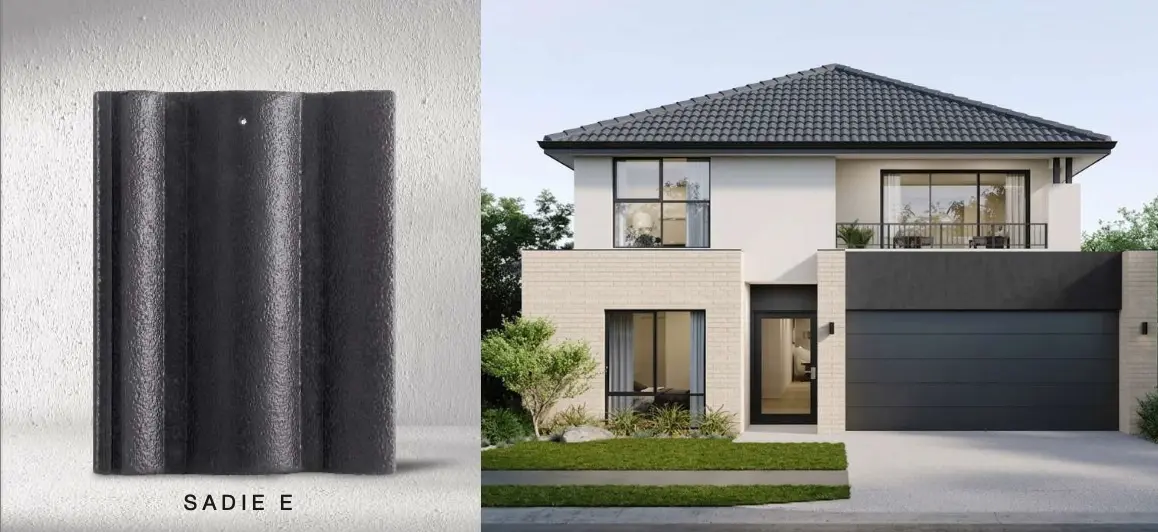
Assess local support, lead times, full-system accessories, and warranty terms (structural vs colour, transferability), including availability of shortlisted profiles like SCG Concrete roof Jewel C, Sadie E, and True Flat.

Building or renovating a home in Australia means designing for one of the most demanding climates on earth. From the blistering summer sun and relentless coastal salt sprays to high-wind storms and the ever-present threat of bushfires, your roof is your home’s primary shield. Because of this, selecting the right roofing material—and the right supplier—is a decision that goes far beyond simple aesthetics.

Concrete roof tiles are a staple in Australian construction, renowned for their durability, acoustic insulation, and cost-effectiveness. However, not all tiles are created equal, and not all suppliers operate to the same standards. If you want to ensure your roof stands the test of time, you need to know exactly how to vet concrete roof tile suppliers in Australia (AS 2049, wind class, BAL checklist).

This comprehensive guide will walk you through the structural, environmental, and logistical factors you must consider before signing off on a supplier, ensuring your roofing project is safe, compliant, and built to last.


Understanding the Australian Standard: AS 2049 and AS 4046

tile roof wind resistance
SCG Concrete Roof

In Australia, the manufacturing and performance of roof tiles are strictly governed by AS 2049 (Roof Tiles). This standard ensures that all tiles sold in the country meet specific requirements for dimensional uniformity, strength, and weather resistance. You should never purchase from concrete roof tiles suppliers who cannot prove their products meet or exceed this standard.

The Role of AS 4046 Testing

concrete roof tiles
Concrete Roof Tiles Testing

To achieve AS 2049 compliance, tiles must be subjected to rigorous AS 4046 roof tile testing procedures. These physical tests push the tiles to their limits. Key evaluations include transverse strength testing (to ensure the tiles can support the weight of a person walking on them during maintenance) and freeze-thaw testing for alpine regions.

One of the most critical assessments involves the testing methods for concrete roof tile permeability. During this test, tiles are subjected to continuous water pressure to ensure moisture does not seep through the body of the concrete. A tile that fails this test will ultimately lead to roof leaks, water damage, and structural decay.

Your Australian Standard AS 2049 Compliance Checklist

roof tile manufacturers
Concrete Roof Tile Standard

When interviewing roof tile manufacturers, use this quick checklist to verify their compliance:

  • Is the product certified to AS 2049? (Ask to see the certification, not just a verbal confirmation).
  • Have they provided a recent AS 4046 test report?
  • Does the tile meet the transverse strength requirements?
  • Has the manufacturer conducted permeability testing?
  • Are the matching accessories (ridge caps, apexes) also compliant?

Navigating High Winds and Coastal Conditions

Australia’s geography means wind loads can vary drastically from a quiet suburban cul-de-sac to an exposed coastal cliff. Understanding your local wind rating is non-negotiable when planning a roof.

Figuring Out Your Wind Class

Before ordering materials, you need to know how to determine roof tile wind class requirements for your specific site. Australian Standard AS 4055 categorizes wind regions into Non-Cyclonic (N1 to N6) and Cyclonic (C1 to C4). Your architect, engineer, or builder will calculate this based on your geographic region, terrain category, topographic multiplier, and shielding from surrounding buildings.

Tile Roof Wind Resistance and Sarking

Once you know your wind class, you must ensure your roofing system is designed to handle it. High tile roof wind resistance is achieved not just by the weight of the concrete tile, but by how the tiles are secured. As wind classes increase, so do the mechanical fastening requirements (e.g., clipping and nailing patterns).

Furthermore, high winds can drive rain upwards and under the tiles. Because of this, understanding the sarking requirements for concrete tiles in high wind areas is crucial. Sarking is a pliable membrane placed under the tiles. In wind classifications of N3 and above, heavy-duty sarking is often mandatory to prevent wind-driven rain from entering the roof cavity.

Coastal Considerations

If you are building near the ocean, the salt-laden air poses a significant threat to building materials. You must explicitly ask suppliers for salt spray resistant roof tiles for coastal properties. High-quality concrete roof tile suppliers Australia-wide will offer products that are dense and properly sealed to resist salt attack, which can otherwise cause efflorescence (a white, powdery residue) and gradual degradation of the concrete.

Bushfire Readiness: The BAL Checklist

For many Australians, living near the bush is a dream, but it brings the strict regulatory requirements of the Bushfire Attack Level (BAL) framework. The BAL rating dictates the construction methods and materials required to protect a home from embers, radiant heat, and direct flame contact.

Because concrete is naturally non-combustible, it is an excellent material for bushfire-prone areas. However, simply buying concrete tiles is not enough. You must source specifically BAL rated roof tiles for bushfire zones and install them as part of a compliant system.

Key Bushfire Roofing Requirements:

Ember Protection: Embers blown by the wind are the leading cause of house fires during a bushfire event. The roof system must leave no gaps larger than 3mm.

  • Sarking: Up to BAL-40, your concrete roof tiles must be accompanied by an appropriate flammability-index-rated sarking.
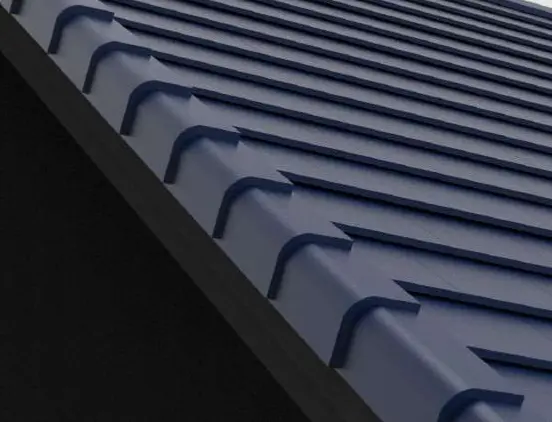
  • Fascia and Eaves Sealing: Suppliers should be able to provide or recommend the correct fire-rated sealing systems for the ridges, hips, and eaves of the roof.

Assessing Your Home's Structural and Design Needs

Before you start searching for “Concrete roof tiles near me,” you need to ensure your home’s physical structure and architectural design align with a concrete roof.

Weight and Structural Integrity

Concrete tiles are heavy. A standard concrete tile roof can weigh anywhere from 40kg to 60kg per square metre. Therefore, you must consult your engineer regarding the roof truss load capacity for concrete tiles. Upgrading your timber trusses to support a concrete roof is standard practice in new builds, but if you are replacing an old metal roof with concrete tiles, significant structural reinforcement will be required.

Pitch and Profile

The pitch (angle) of your roof drastically affects what tiles you can use. So, how to choose the right roof tile profile for low pitch roofs? If your roof has a pitch below 20 degrees, you cannot use just any tile. Low pitches slow down water runoff, increasing the risk of water pooling and capillary action (where water defies gravity and travels upward under the overlapping tile). Look for manufacturers that offer specific low-pitch profiles, which feature elevated water channels and anti-capillary barriers, often allowing installation on pitches as low as 15 degrees with the correct sarking.

Energy Efficiency and Basix

In an era of rising energy costs, the thermal performance of your roof is paramount. When vetting suppliers, inquire about the solar absorptance ratings for concrete roof tiles. Darker tiles absorb more heat, which can make your home hotter in summer and impact your energy efficiency compliance (like BASIX in NSW or NatHERS nationally). Many modern suppliers now offer specialized reflective coatings on their concrete tiles that lower solar absorptance, keeping your roof space significantly cooler.

Material Value: Concrete vs. Terracotta

When looking at roofing options, many homeowners find themselves weighing concrete vs terracotta roof tiles cost and durability.

  • Cost: Concrete is generally much more affordable to manufacture and install than terracotta. It provides exceptional value for money upfront.
  • Durability: Both materials are incredibly durable and can last upwards of 50 years. However, concrete continues to harden as it ages, increasing its impact resistance against hail.
  • Colour Longevity: Terracotta tiles are kiln-baked, meaning their colour is baked through and will never fade. Concrete tiles are surface-coated (or colour-through) but will eventually experience some fading due to UV exposure.
  • Maintenance: When calculating your budget, factor in the long term maintenance costs of concrete roofing systems. While the tiles themselves will last decades, a concrete roof will likely need to be re-pointed, cleaned of moss/lichen, and potentially repainted every 15 to 20 years to maintain its original aesthetic appeal.

Choosing the Right Manufacturer and Supplier

Now that you understand the technical requirements, it is time to vet the businesses actually supplying the product. The Australian market is highly competitive, featuring both massive multinational corporations and highly specialized local businesses.

If you are building in Victoria, for example, doing a localized search for “Concrete roof tiles Melbourne” will yield suppliers who intimately understand the local building codes and the infamous “four seasons in one day” weather patterns. If you’re comparing nationally, a quick search for “concrete roof tile suppliers Australia” will surface major brands and local specialists to contact.

Here is a comprehensive checklist for vetting Australian roof tile manufacturers and suppliers:

1. Reputation and Local Presence
Check the history of the concrete roof tiles suppliers . How long have they been in business in Australia? Suppliers with a long-standing history are more likely to honor warranties decades down the line. It is always beneficial to look for local suppliers. Searching for “Concrete roof tiles near me” can help you find companies that can reduce freight costs and carbon footprints, while also ensuring prompt delivery.

2. Lead Times and Supply Chain

In today’s construction environment, material shortages can cause disastrous delays. A critical step in your vetting process is evaluating concrete roof tile manufacturer lead times.

  • Are the tiles manufactured locally or imported?
  • What is their average turnaround time from order to site delivery?
  • Do they hold stock of standard profiles, or is everything made to order? Choose a supplier who offers transparent, realistic delivery schedules.

3. Warranty Terms

Never assume a “50-year warranty” covers everything. You must carefully read the manufacturer warranty terms for Australian roof tiles.

  • Structural Warranty: Most reputable manufacturers will guarantee the structural integrity of the concrete tile for 50 years.
  • Colour Warranty: Because concrete fades, colour warranties are usually much shorter (often limited to a few years) or non-existent.
  • Transferability: If you sell your home, does the roof warranty transfer to the new owner? This is a great selling point for your property.

4. Comprehensive Product Range

The best roof tile manufacturers don’t just sell tiles; they sell complete roofing systems. Ensure your chosen supplier can also provide the compliant ridge cappings, apexes, sarking, and ventilation systems required to make your roof watertight and BAL compliant. Buying all components from a single supplier ensures seamless integration and prevents finger-pointing between different manufacturers if a warranty claim arises.

Also ask whether the supplier can provide (or source) the specific profiles and colourways you’re considering, and confirm each option’s compliance paperwork and fixing guides for your wind class and BAL. For example, if these are on your shortlist, have the supplier quote and document availability for SCG Concrete roof Jewel C, SCG Concrete roof Sadie E, and SCG Concrete roof True Flat, including compatible ridge caps and matching accessories.

Conclusion

Your roof is arguably the most vital structural element of your home, tasked with standing up to Australia’s most brutal elements. Selecting the right supplier isn’t just about finding the best price; it’s about ensuring safety, compliance, and longevity.

By understanding the rigorous testing of AS 2049 and AS 4046, calculating your wind class and BAL requirements, and thoroughly assessing your home’s structural capacity, you take the guesswork out of the building process. Whether you are comparing concrete vs terracotta, analyzing solar absorptance ratings, or evaluating manufacturer lead times, using a structured approach guarantees you make an informed investment.

Take the time to use the checklists provided. Ask hard questions about warranties, wind resistance, and testing procedures. When you successfully vet and partner with premium concrete roof tile suppliers in Australia, you can rest easy knowing your home is crowned with a roof built to protect your family for generations to come.

Frequently Asked Questions (FAQ)​

Ask for proof, not promises. Request a current AS 2049 certificate and a recent AS 4046 test report that covers key tests (transverse strength, permeability, and freeze–thaw where relevant). Confirm that all matching accessories (ridge caps, apexes) are also compliant. If you’re in a coastal area, specifically ask for documentation showing the product’s resistance to salt spray. Reputable suppliers can provide these documents quickly and explain the results in plain language.

Your architect, engineer, or builder will determine wind class using AS 4055, which categorizes sites as Non-Cyclonic (N1–N6) or Cyclonic (C1–C4) based on region, terrain, topography, and shielding. As wind class rises, fixing requirements become more robust (more clipping/nailing), and sarking becomes critical. In many cases from N3 and above, heavy-duty sarking is mandatory to stop wind-driven rain from entering under tiles. Choose a supplier who can provide wind-class-specific fixing guides and sarking specifications.

Concrete tiles are non-combustible, but you still need a BAL-rated roofing system. Key requirements include:

  • Ember protection: No gaps larger than 3 mm across the roof system.
  • Sarking: Up to BAL-40, use an appropriately rated sarking (check flammability index per your BAL).
  • Sealing: Ensure correct fire-rated sealing at ridges, hips, fascia, and eaves. Work with suppliers who can provide BAL-rated tiles and compatible accessories, plus guidance on detailing to meet your specific BAL.

Concrete tiles are heavy—typically 40–60 kg/m²—so an engineer must confirm your roof truss load capacity. New builds commonly upgrade trusses for concrete tiles; replacing a light metal roof with concrete usually requires significant reinforcement. For pitch, below 20° you’ll need low-pitch-specific profiles with elevated water channels and anti-capillary barriers, often enabling installation down to about 15° when paired with the correct sarking. Ask the supplier for profile and sarking combinations approved for your exact pitch.

  • Lead times and supply chain: Are tiles made locally or imported? What’s the typical order-to-delivery timeframe? Do they stock common profiles or make to order? Pick suppliers who provide transparent schedules.
  • Warranties: Expect a long structural warranty (often around 50 years) on the tile, but color warranties are usually short or excluded due to UV fading. Check whether warranties are transferable to future owners. Choose suppliers who can support a complete system (tiles, ridge cappings, sarking, ventilation) to avoid gaps in responsibility and streamline any future warranty claims.

Related Posts

australia green building materials

SCG Sustainable Building Materials Australia: 2026 Green Star

Welcome to the ultimate SCG Sustainable Building Materials in Australia 2026: Green Star & EPD Buyer’s Guide. In this comprehensive resource, we will explore the pivotal role of SCG (Siam Cement Group) in delivering top-tier green building materials, unpack the complexities of Environmental Product Declarations (EPDs), and show you how to leverage these innovations to meet Australia’s stringent upcoming building standards. This guide also highlights eco-friendly products that align with Australia’s path to Net Zero.

SCG Concrete Roof Australia Jewel C Series

Top Concrete Roof Tile Profiles in Australia: Jewel C, Sadie E, True Flat

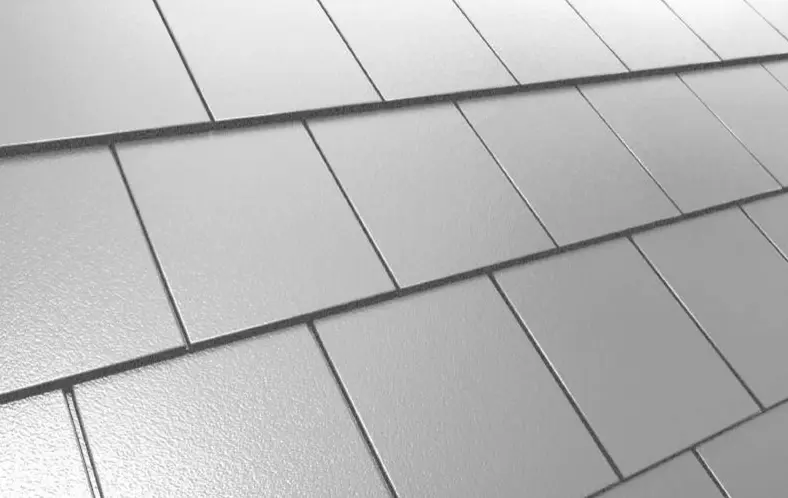
Among the concrete roof tiles types offered by SCG, three distinct personalities define the current lineup. Jewel C delivers classic, bold waves that cast deep, traditional shadows across the roofline. Stepping toward a softer aesthetic, Sadie E offers elegant, subtle curves that smoothly bridge heritage and contemporary styles. For a sleek, minimalist finish, the True Flat mimics a smooth slate tablet, keeping architectural lines sharp and modern.

Paper products for variety use from quality paper supply companies in Thailand

How To Find Quality Paper Supply Companies in Thailand

Buyers in regulated industries choose Thailand due to its mix of scale, certified production, and competitive logistics unmatched by most neighboring markets. Yet not every supplier delivers on quality, capacity, or compliance, and a single weak link in the supply chain can disrupt production for months. This guide walks through what separates quality paper supply companies from the rest, and how to evaluate them before placing an order.

Wooden pellets for biomass power plant

How Does a Biomass Power Plant Work? A Complete Guide

An increasing amount of that biomass is currently being directed to industrial boilers and power stations, where it is transformed into clean, dispatchable energy. The modern biomass power plant sits at the center of this shift, offering industries a practical path to lower coal dependency while meeting rising sustainability mandates. Securing consistent

I’m Here To Assist You

Contact us today

Please read Terms and Conditions, Privacy Notice, Cookies Notice, and I
I acknowledge that I can withdraw the given consent at any time, and I have understood the terms and conditions and how my personal data is processed.