
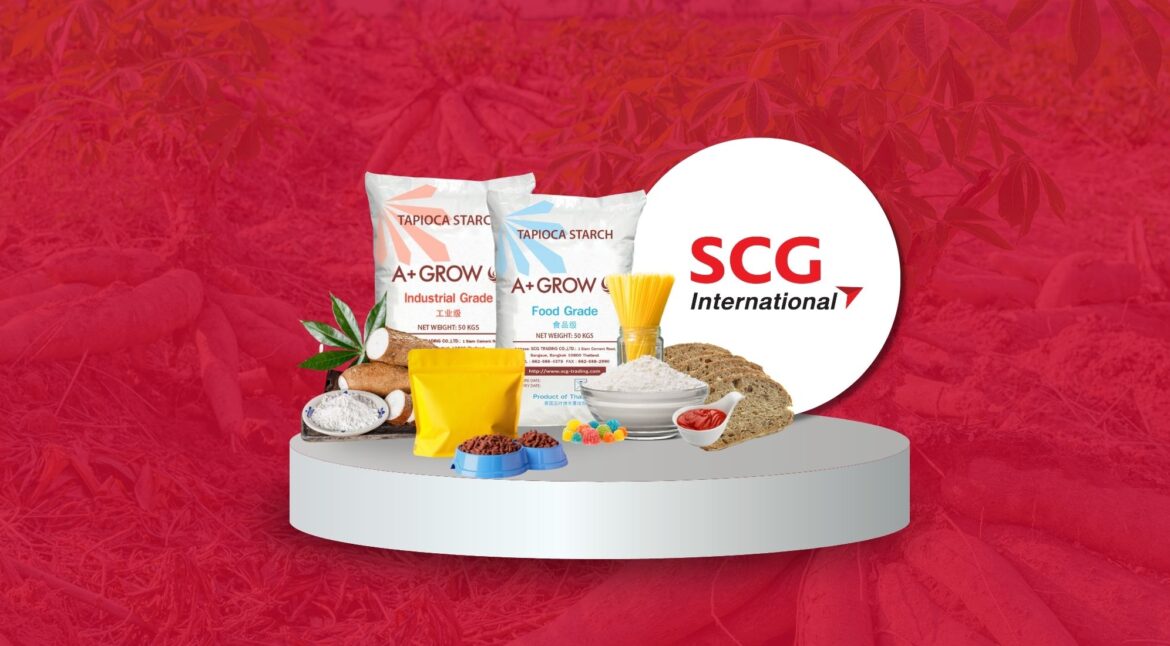
Starch is a key raw material used to produce products in various industries, especially tapioca starch, which plays an important role in the production of adhesives, textiles, biodegradable materials, and paper, as well as in food products like pasta, snacks, instant foods, semi-finished foods, sweeteners, and even medical products.

Although the flooring and tile industry has shown continuous growth post-pandemic, driven by increased investment in both public and private construction projects, as well as rising home renovation demands, businesses still face intense competition. This includes competing on material quality, offering a wide range of choices to customers, and competing…
The world is facing a severe environmental crisis. Greenhouse gas emissions from industries, especially the construction sector are major contributors that demand urgent action. As a leader in construction material innovation in Thailand, SCG is committed to achieving Net Zero Emissions by 2050. This commitment is reflected in the continuous…
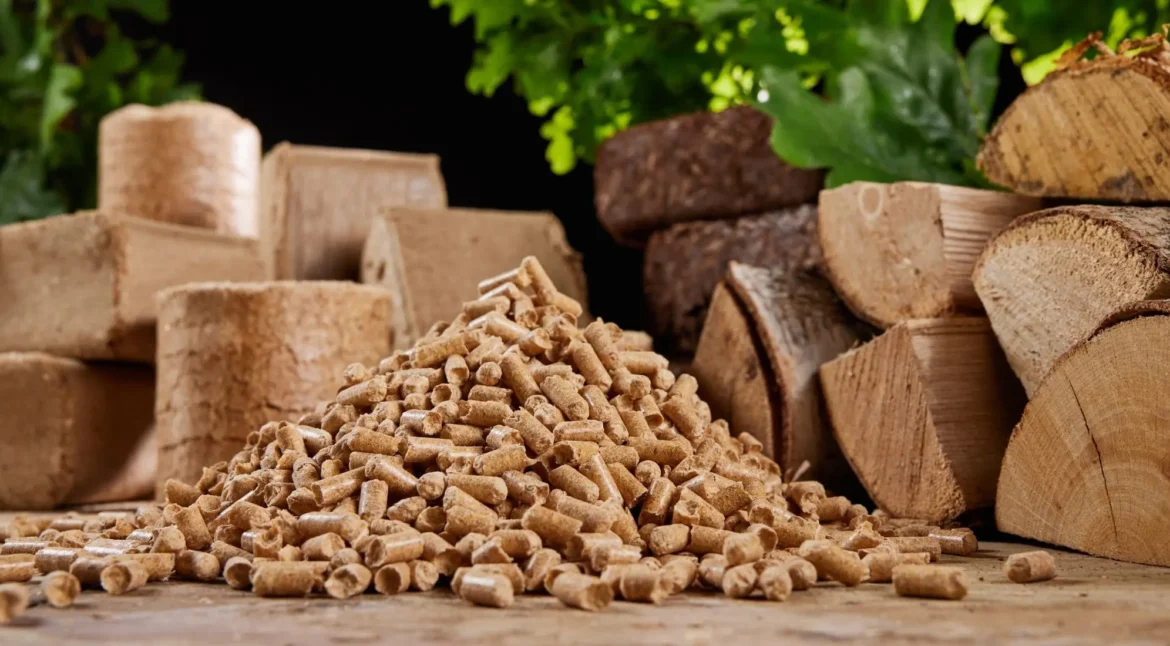
Transitioning to clean, sustainable energy isn’t just a trend but a necessity for today’s industrial sector. As fossil fuel costs rise and environmental regulations tighten, reducing carbon footprints is a top priority. That’s why biomass fuel, also known as biomass energy or alternative fuel, is emerging as a cost-effective, eco-friendly…
The global corn starch market is experiencing rapid growth with promising expansion ahead. According to the "Corn Starch Market Size and Share Analysis - Growth Trends and Forecast Report 2025-2033" by Research and Markets, the corn starch market reached $21.99 billion USD in 2024 and is projected to reach $43.74…
The global construction industry continues to grow, especially in commercial real estate, office developments, and urban infrastructure. This growth fuels demand for high-end finishing materials, among them, natural stone veneer stands out for its luxurious appearance, durability, and design flexibility. However, the stone veneer supply chain presents numerous challenges when…
Expanding a domestic business into other regions and taking the step towards being a global brand is always a challenge. Merely being the top brand in one’s own country does not guarantee success on a regional or global scale. Therefore, the challenges of expanding into regional markets extend beyond product…
In today’s competitive food industry, manufacturers must prioritize the quality of raw materials used in production, especially starch, a fundamental ingredient that directly affects product quality. For small and medium-sized food manufacturers, integrating food ingredient sourcing consolidation and partnering with experts in high-quality raw material procurement is essential. A reliable…
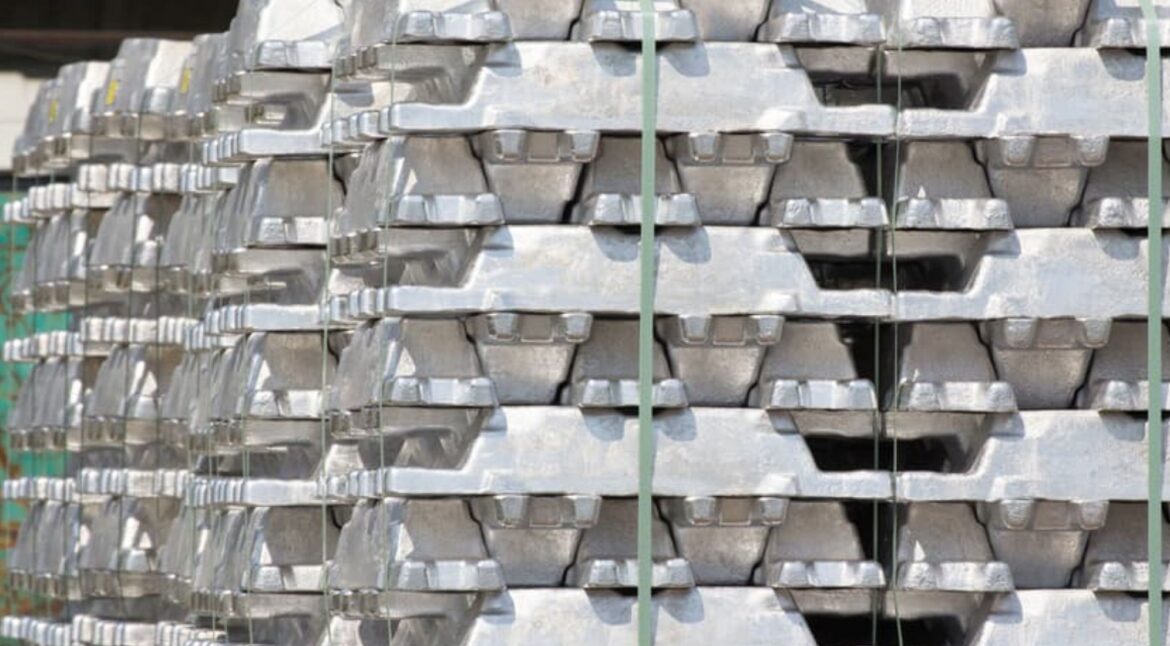
Metal procurement, including pure metal supply (Primary Non-Ferrous Metals) and recycled metal materials (Secondary Non-Ferrous Metals), comes with unique challenges. Sourcing reliable raw material suppliers is a key concern for recycled metal materials. The challenges include maintaining consistent quality, ensuring a steady supply, and dealing with increasing costs due to…
The use of recycled materials for manufacturing has become a growing trend in the global manufacturing industry. Driven by environmental policies and increasing consumer demand for eco-friendly products, businesses are shifting toward the use of recycled raw materials. This shift not only reduces environmental impact but also creates a competitive…