


Search

Choosing Biomass Fuel and a Wood Chip Supplier

Share this post :

Facebook
LinkedIn
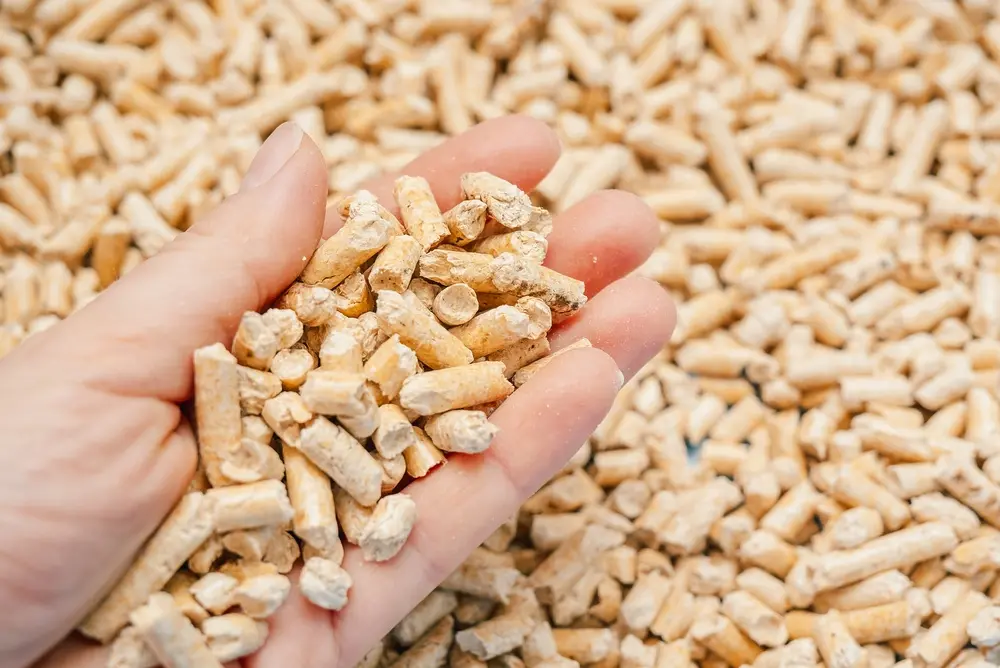
Wooden pellets from a biomass wood chip supplier

Key takeaways

Table of Contents

Industrial plants moving away from coal or heavy fuel oil face a procurement question that looks simple and is not: which biomass fuel actually costs the least to run? When a procurement team judges a biomass wood chip supplier on headline price per tonne alone, it often buys water, ash and downtime it did not plan for. Fuel moisture, ash content and particle size shape real boiler efficiency far more than the quote on the purchase order, and the gap between a low-priced fuel and a cost-effective one shows up only after it burns. This guide takes a procurement and total-cost view of biomass fuel selection, comparing the main options, matching them to boiler types, and setting out how to vet a biomass wood pellet supplier before volume commitments begin.

The Low-Price Trap: Three Hidden Cost Drivers

The lowest-priced tonne of biomass rarely delivers the most cost-effective unit of usable heat. Three fuel properties decide how much energy a shipment actually delivers, and each one carries a cost that never appears on the invoice.

– Moisture content: Water absorbs combustion heat before it can raise steam, so a wetter fuel forces the boiler to burn more tonnes for the same output. Oven-dry wood typically contains around 18-19 MJ/kg of energy, but the usable energy available from delivered wood chips falls significantly as moisture rises. Fresh chips at around 50% moisture may provide less than half the usable energy per tonne compared with dry material.

– Ash content: Higher ash raises cleaning frequency, slagging risk and equipment wear, and it adds disposal cost. Rice husk, for example, carries notably higher ash than clean wood pellets, which is why it suits specific boiler designs rather than every system.

– Particle size: Oversized chips or excess fines can jam feed augers, stall grates and disrupt automated airflow, leading to unplanned stoppages. A fuel that does not match the feeding system turns a low purchase price into a maintenance and downtime bill.

Read together, these three drivers explain why a careful buyer evaluates net calorific value as delivered rather than the price tag, and why a dependable fuel supplier earns its place by holding specifications steady from one shipment to the next.

Comparing Wood Chips, Wood Pellets and PKS

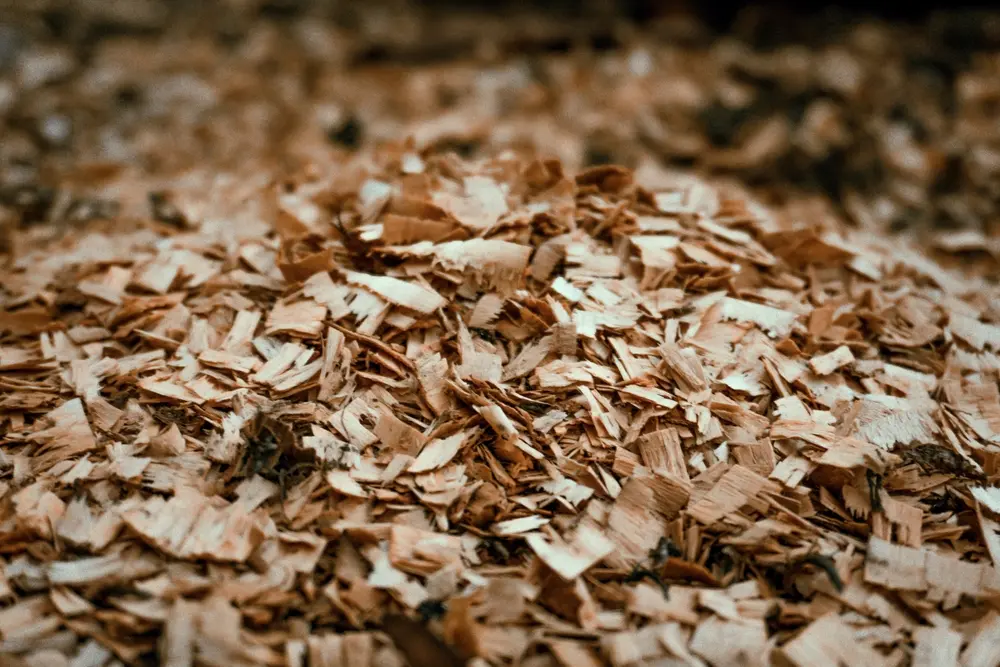
Texture of wooden chips - a biomass product
Information on copper scrap grades and copper content

Among the most common industrial biomass fuels are wood chips, wood pellets and palm kernel shell (PKS) most industrial buyers weigh, and each answers a different procurement priority. Published fuel data gives useful planning ranges, though actual figures vary by source, moisture and testing method and should be confirmed per shipment.

– Wood chips, the volume play: Mechanically chipped forestry residue typically arrives at 20% to 50% moisture with a net calorific value often in the 8 to 15 MJ/kg band depending on how dry it is. The per-tonne price is low, but higher moisture means larger storage, higher freight per unit of usable energy and tighter sizing control, so a capable biomass wood chip supplier is essential to keep irregular material from disrupting the feed.

– Wood pellets, the predictability play: Dried and densified sawdust pressed into uniform cylinders usually holds 6% to 10% moisture and a calorific value around 17 to 19 MJ/kg, with low ash. Drying and densification raise the cost per tonne, yet the high energy density, stable feed and lower maintenance often justify it, which is why a graded supply from a vetted biomass wood pellet supplier suits automated systems that need consistency.

– Palm kernel shell (PKS), the high-energy alternative: A dense by-product of palm oil processing, PKS typically carries low moisture near 10% to 15% and a strong calorific value reported in the high-teens MJ/kg. It delivers high energy at a lower cost than pellets without artificial drying, but it lacks uniform grading and generally produces more ash than premium wood pellets, though typically less than some agricultural residues such as rice husk.

There is no single best fuel, only the fuel best matched to a plant’s boiler, logistics and ash-handling capacity. For many operators the practical answer is a blend, sourced to hold a steady specification across the year.

Matching Biomass Fuel to Your Boiler Type

Boiler design is the constraint that narrows the fuel shortlist, because a combustion system tuned for one fuel profile will struggle with another. Aligning procurement with engineering early prevents feed problems and efficiency losses later.

– Automated pellet and small grate systems: These favor uniform wood pellets or tightly screened chips to avoid bridging and feed jams, where consistent sizing matters more than raw price.

– Industrial grate boilers: These accept a broader mix of chips, PKS and agricultural pellets, provided the plant’s ash-handling capacity matches the chosen fuel’s ash load.

– Fluidized bed boilers: Among the most fuel-flexible boiler technologies, fluidized bed systems can accommodate a wider range of biomass fuels when properly managed.

– Coal co-firing lines: Existing coal infrastructure often adapts more easily to dense, low-moisture fuels such as PKS and black pellets, although some handling modifications may still be required.

Matching fuel to boiler is where a fuel decision becomes a sourcing decision: the right specification only helps if a supplier can deliver it consistently at the volume and cadence the plant runs.

A Procurement Checklist to De-Risk Fuel Supply

Once the fuel and boiler are aligned, the contract and supplier checks protect the plant from quality drift and supply gaps. A few disciplined steps separate a resilient fuel program from a series of spot purchases.

– Contract on an “as-received” basis: State moisture, particle size and net calorific value as delivered rather than on a dry basis, so the specification reflects what the boiler actually burns.

– Require lab testing per shipment: A third-party Certificate of Analysis for every delivery holds suppliers accountable to the agreed specification and catches variation before it reaches the grate.

– Verify origin and traceability: Documented sources reduce the risk of misdeclared or contaminated material arriving against a clean-grade contract.

– Request a trial batch: A single good sample proves little, so run a trial quantity and measure combustion performance before committing to volume.

– Diversify sourcing origins: Spreading supply across regions and suppliers cushions the plant against crop seasonality, weather and policy shifts that can interrupt a single source.

These checks turn fuel buying into supply management, and they are easier to apply with a sourcing partner that handles verification, testing and documentation as part of the supply.

How SCG International Supports Biomass Sourcing

SCG International works as an alternative fuel sourcing partner, helping industrial plants secure biomass from multiple sources, hold consistent specifications and manage the steps around supply. Its diversified portfolio covers wood-based fuels, and as a biomass wood chip supplier it also handles shredded wood, wood pellets, black pellet and palm kernel shell, alongside agricultural fuels such as rice husk, rice straw, corn cob, bamboo biomass, sugarcane leaf pellet and napier grass. That range lets a buyer match fuel to the boiler rather than force the boiler to accept whatever is available. 

Beyond supply, SCG International provides boiler performance support, including boiler consultation and optimization, troubleshooting advisory, smart boiler monitoring and operator training, to help plants run a chosen biomass fuel stably. Environmental services cover ash collection and handling, air emission testing and PM2.5 testing to support compliance and community expectations. For large facilities, the company coordinates bulk logistics, buffer stock planning, seasonal supply forecasting and multi-country sourcing to support supply continuity, and it bridges fuel supply with combustion readiness for operators transitioning away from coal.

Build a Resilient Biomass Supply Plan

The right biomass fuel is the one matched to your boiler, your logistics and your total cost of operation, not the one with the lowest quote. Share your boiler setup, expected consumption and transition goals with SCG International, and the team can help you compare suitable biomass options and build a sourcing plan that supports stable, long-term operation. 

Speak with SCG International about your fuel specifications and supply needs to move from spot buying to a dependable, diversified supply strategy.

References :

– ISO/TS 17225-9:2020 — Solid biofuels: Fuel specifications and classes. Retrieved October 28, 2026, from https://www.iso.org/standard/75158.html

– Primer for Solid Biofuels. Retrieved October 28, 2026, from https://natural-resources.canada.ca/sites/nrcan/files/files/NRCAN_BB_no2_e13.pdf

– How Different Fuels Affect the Efficiency of Industrial Biomass Boilers. Retrieved October 28, 2026, from https://coalbiomassboiler.com/fuel-types-effect-industrial-biomass-boiler-efficiency/

– Alternative Fuel Sourcing Partner & Supplier. Retrieved October 28, 2026, from https://scginternational.com/products/industrial-supply/energy/alternative-fuel/ 

Frequently Asked Questions About Biomass Boiler Fuel (FAQs)

There is no single best fuel, because the right choice depends on boiler design, local fuel availability, and ash-handling capacity. Automated systems generally favor uniform wood pellets, grate and fluidized bed boilers accept a wider mix including PKS and agricultural fuels, and coal co-firing lines suit dense, low-moisture fuels. Matching fuel properties to the combustion system matters more than picking any one fuel in the abstract.

Neither is universally better; they suit different priorities. Palm kernel shells often deliver high energy content at a lower cost than pellets without artificial drying, but it lacks uniform grading and carries more ash, so it needs shipment-by-shipment testing. Wood pellets cost more per tonne yet offer high energy density, low ash and consistent feed, which suits automated systems. The better fit depends on your boiler and handling setup.

As general planning ranges vary by source and moisture, wood pellets commonly fall around 17 to 19 MJ/kg, palm kernel shells in the high-teens MJ/kg, and wood chips roughly 8 to 15 MJ/kg depending on how dry they are. Moisture is the dominant variable, so net calorific value should be confirmed on an as-received basis for each shipment rather than assumed.

Contract on an as-received basis for moisture, sizing and net calorific value, require a third-party Certificate of Analysis for each shipment, verify origin and traceability, and run a trial batch before committing to volume. Diversifying sourcing across regions also protects against seasonal shortfalls, so supplier verification and consistency carry as much weight as the fuel specification.

Related Posts

Recycled copper wire material

How to Find the Right Copper Scrap Supplier and Sourcing Partner, and What Factors to Consider

Choosing the right copper scrap supplier comes down to a few checks around verified source, consistent grade, documentation, pricing basis, and export capability, rather than the quote alone. This guide walks through what matters, whether you run a refinery, a recycling operation, or a plant that uses recycled metal as an input. For manufacturers and refiners seeking high-purity recycled copper feedstock, partnering with a reliable Milberry copper scrap supplier in Asia is often the most effective way to secure consistent quality and supply. For a smelter, refiner, or secondary producer, the scrap you buy is your feedstock, and the supplier behind it decides how your melt behaves. A wrong grade call or an inconsistent source shows up quickly as lower metal yield, off-spec output, and reject rates that cost far more than any savings on the purchase price.
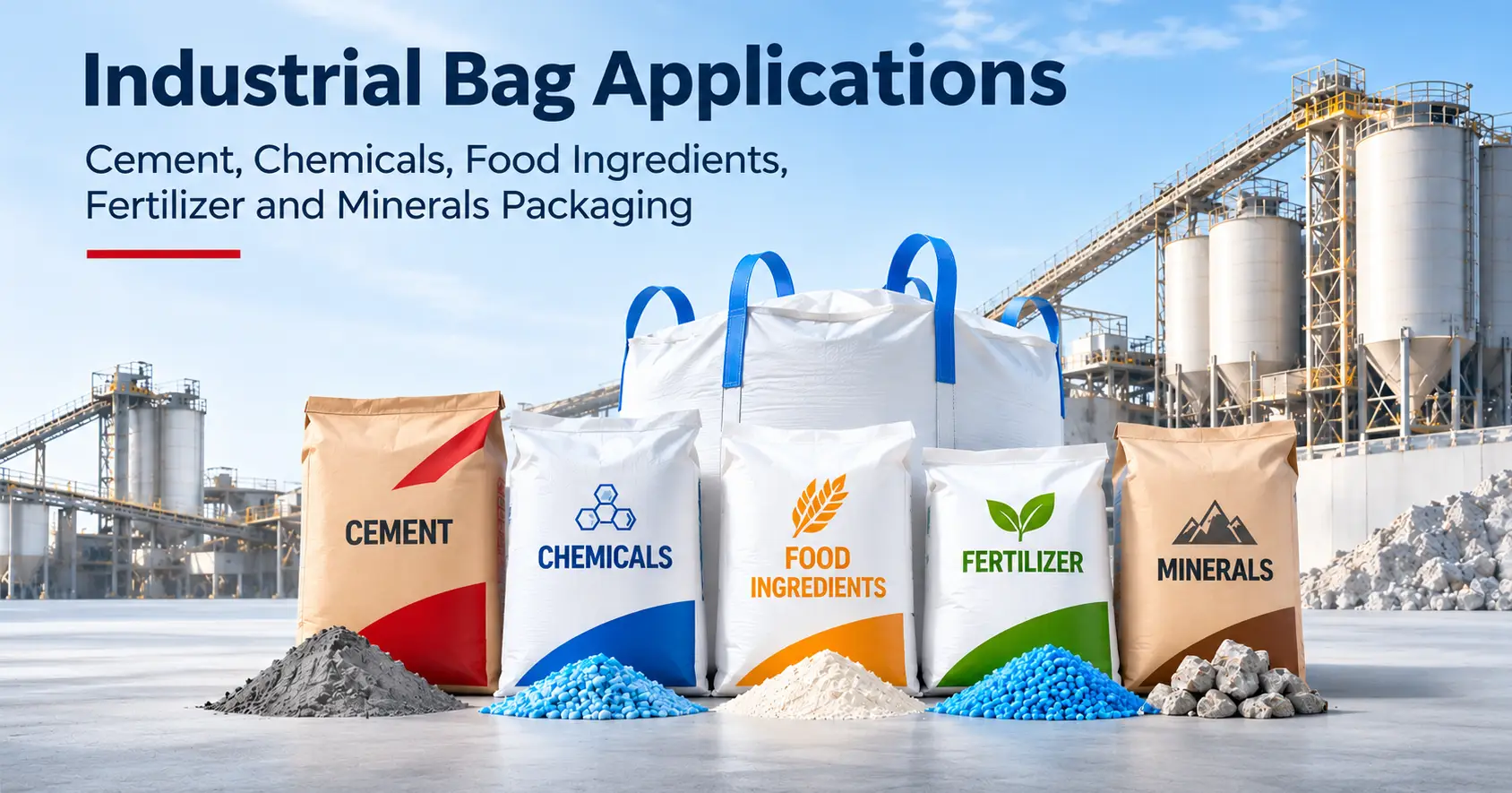
Industrial bag applications for cement, chemicals, food ingredients, fertilizer and minerals packaging

Industrial Bag Applications: Cement, Chemicals, Food Ingredients, Fertilizer and Minerals Packaging

Packing dry materials sounds simple until a sack splits on the conveyor, cement dust coats the filling line, or fertilizer arrives caked and damp. The right bag is rarely the one with the biggest load rating. It is the one that fits your product, your filling equipment, your route and your customer’s emptying process.
This guide explains industrial bag applications across five sectors: cement, chemicals, food ingredients, fertilizer and minerals. You will learn how to compare paper sacks, PP woven bags and bulk bags, what each sector must get right first, and how to brief industrial bulk bag suppliers so the quotes you receive can be compared fairly.

I’m Here To Assist You

Contact us today

Please read Terms and Conditions, Privacy Notice, Cookies Notice, and I
I acknowledge that I can withdraw the given consent at any time, and I have understood the terms and conditions and how my personal data is processed.