Key takeaways
Choosing the right concrete roof tiles in Brisbane is about more than finding a colour that matches your home. Queensland’s climate brings strong sunlight, heavy rainfall, humidity and seasonal storms, so your roof tiles need to work as part of a complete roofing system.
Whether you are building a new home, renovating an existing property, replacing storm-damaged tiles or planning a full re-roof, the right tile profile, finish and installation approach can make a significant difference.
This guide explains what Brisbane homeowners, builders and roofing professionals should consider when choosing concrete roof tiles, from profile and colour to installation requirements and finding the right local supplier.
What Are the Best Concrete Roof Tiles for Brisbane Homes?
There is no single concrete roof tile that is best for every Brisbane property. The right choice depends on several factors, including roof pitch, roof design, weather exposure, drainage, structural requirements and the appearance you want to achieve.
For Brisbane and wider Queensland homes, roof tiles should be selected as part of the entire roof system rather than as an individual product. This means considering the tiles together with ridges, hips, valleys, clips, sarking, fasteners and other installation components.
The tile profile is also important. Common options include:
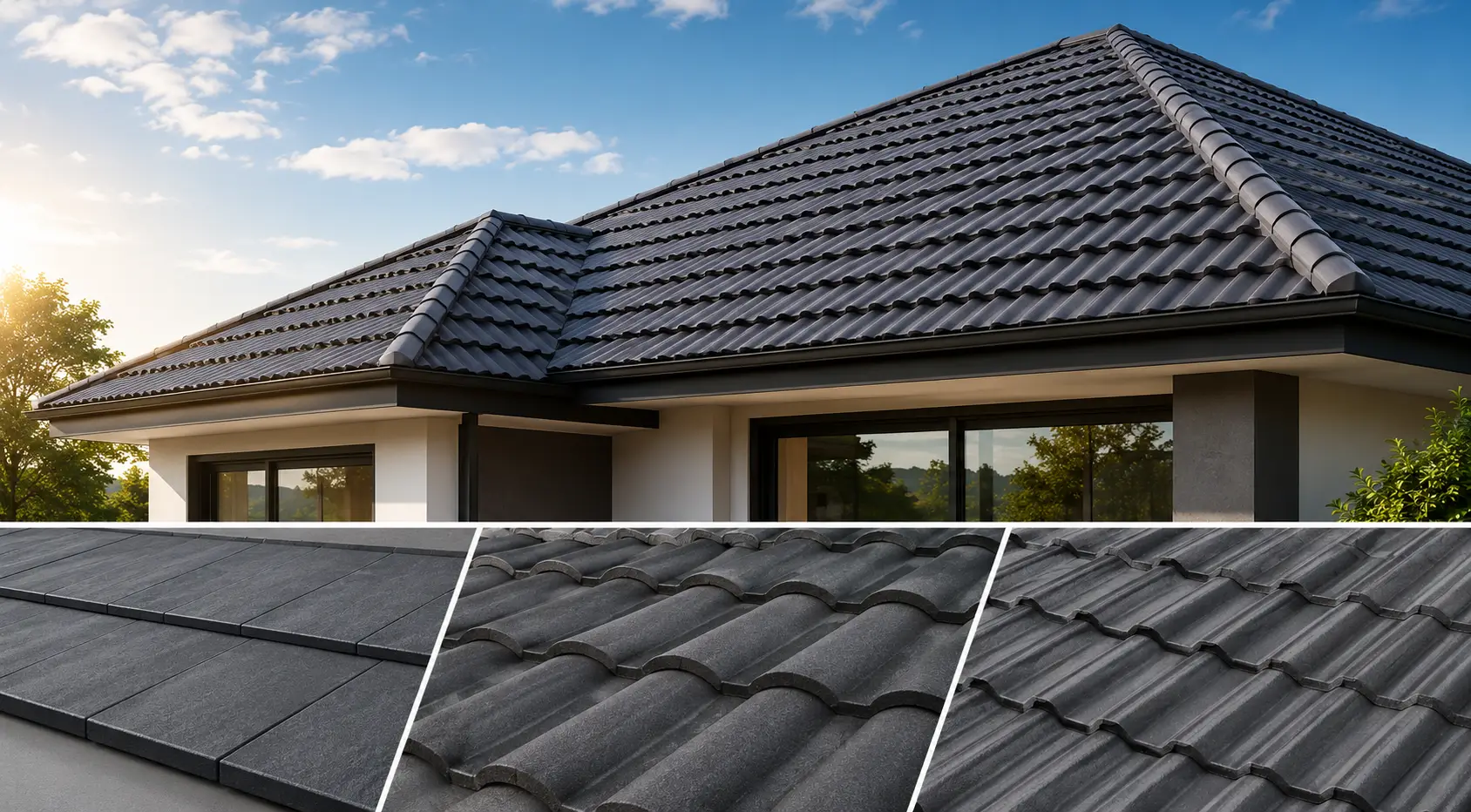
– Flat profiles for a clean, contemporary appearance
– Low-profile tiles for a balanced modern and traditional look
– Contoured or wave-style profiles for greater texture and visual depth
A modern home with a low-pitch roof may suit a flatter profile, while a traditional Queenslander-style property may benefit from a more pronounced profile.
The best choice should balance appearance, practical performance, installation requirements and long-term availability.
Choosing the Right Concrete Roof Tile Profile
The profile of a roof tile affects both the appearance and practical characteristics of your roof. Concrete roof tile profiles in Australia are available in different shapes and designs to suit various architectural styles and roofing conditions.
In Brisbane, profile selection can influence:
– Kerb appeal and overall roof appearance
– Shadow lines across the roof
– How water moves across the roof surface
– The visual character of the property
– Installation requirements around roof intersections
A wide, flat profile can create a clean architectural appearance that works well with contemporary homes. In contrast, a curved or wave-style profile can add texture and character to suburban or traditional properties.
The complexity of your roof should also influence your decision. Roofs with multiple hips, valleys, skylights, vents or other penetrations may require more cutting and detailing during installation.
Before ordering, discuss the roof design with your supplier and roofing professional. They can help confirm whether the selected profile is suitable and identify the accessories required for the installation.
Key factors when selecting a profile
Architectural style: Consider the age and design of your home, façade materials, gutters and surrounding properties.
Roof pitch: Make sure the selected tile is appropriate for the roof pitch and drainage requirements.
Installation complexity: More complex roof designs may require additional cuts, flashing, clips and accessory components.
Future repairs: Consider whether replacement tiles in the same profile and colour are likely to remain available.
Renovation matching: If you are extending an existing roof, compare samples with the current tiles in natural daylight.
Choosing Roof Tile Colours and Finishes for Brisbane
Colour is one of the most visible decisions when selecting concrete roof tiles. However, a tile can look very different on a large roof compared with a small indoor sample.
Brisbane homes experience strong sunlight, changing weather conditions and different levels of natural light throughout the day. For this reason, it is worth viewing tile samples outdoors before making a final decision.
Dark colours can create a bold, modern appearance and work particularly well with contemporary façades. Lighter and mid-tone colours can make a large roof appear softer and may complement more traditional homes.
Popular neutral directions include:
– Grey
– Charcoal
– Warm brown
– Earthy neutral tones
These colours can work with brick, rendered walls, weatherboard façades and common gutter and fascia colours.
However, appearance should not be the only consideration. Think about how easily the chosen finish may show dust, leaf staining, weathering or other marks.
Before choosing a colour, consider:
– How the colour looks in morning, midday and afternoon light
– Whether it complements the gutters and fascia
– How it works with windows, doors and exterior paint
– How visible dust, leaves and weathering may be
– Whether matching tiles are available for future repairs
– Whether matching ridge and accessory pieces are available
For renovation projects, comparing physical samples against the existing roof is particularly important.
Why a Complete Roof System Matters
Choosing durable roof tiles is only one part of creating a reliable roof. The performance of the finished roof also depends on correct design, compatible materials, professional installation and ongoing maintenance.
For example, even a high-quality concrete tile may not perform as expected if the roof pitch is unsuitable, valleys are poorly detailed or ridge work is not installed correctly.
Brisbane’s climate makes the complete roofing system especially important. Heavy rainfall requires effective water drainage, while storm conditions make appropriate fixing methods and edge detailing important.
Ventilation and maintenance should also be considered, particularly in homes exposed to heat, humidity or surrounding vegetation.
A complete concrete tile roof system may include:
– Field tiles in the selected profile and finish
– Matching ridge, hip and barge tiles
– Sarking or underlay where required
– Appropriate clips, fasteners and fixings
– Battens suitable for the roof design
– Valley and flashing components
– Details around skylights, vents, chimneys and solar installations
– Spare tiles for future repairs or storm damage
Thinking about these components before placing an order can help prevent delays and unexpected costs during installation.
Planning Your Roof Tile Installation
Good planning can make roof tile installation significantly easier. Before the tiles arrive on site, measurements, roof details and accessory requirements should be confirmed.
For a new home, the tile order should fit the construction schedule so roofing work is not delayed by missing materials.
For a re-roofing project, the existing roof structure may need to be assessed before installing new tiles, particularly if you are changing the tile material, profile or roof layout.
When requesting a quote, prepare as much information as possible.
Information to provide your supplier
- Property location and project type
Explain whether the project is a new build, re-roof, extension, repair, garage or patio. - Roof plans or measurements
Photos and plans showing hips, valleys, ridges and penetrations can help with quantity planning. - Preferred profile and colour
If you are unsure, provide examples of roof styles you like. - Project timeline
Tell the supplier when you need the tiles and whether the project has a tight deadline. - Existing tile information
This is particularly useful when replacing damaged tiles or matching an existing roof. - Delivery access
Narrow driveways, steep blocks, overhead wires and limited storage space can affect delivery planning.
A good supplier can help coordinate the materials required, while your licensed or qualified roofing professional should confirm installation requirements.
How to Choose a Concrete Roof Tile Supplier in Brisbane
Price is important, but it should not be the only factor when choosing a concrete roof tile supplier in Brisbane.
A low-priced order can become more expensive if important accessories are missing, products are unavailable or delivery delays hold up the roofing project.
Instead, look for a supplier that can provide practical advice before you place your order.
A reliable supplier should be able to discuss tile profiles, colours, accessories, availability and delivery requirements. They should also be clear about what is currently available and what may need to be ordered.
Supplier checklist
Before choosing a supplier, ask:
– Can they explain the differences between available tile profiles?
– Can you view physical colour samples?
– Can they supply matching ridge, hip and other accessories?
– Can they help estimate quantities from your plans?
– Are they clear about lead times and delivery?
– Can they support both homeowners and roofing contractors?
– Can they help identify suitable alternatives if your preferred tile is unavailable?
– Can they assist with matching existing concrete roof tiles?
If you are specifically researching Boral concrete roof tiles in Brisbane, confirm whether the supplier can source or advise on suitable Boral ranges or comparable alternatives for your project.
The goal is not simply to find the cheapest tiles. It is to find a supplier who can help you make the right decision and reduce avoidable problems during the project.
Concrete Roof Tiles for Brisbane Re-Roofing Projects
Re-roofing is one of the most common situations where homeowners need to carefully compare concrete roof tiles.
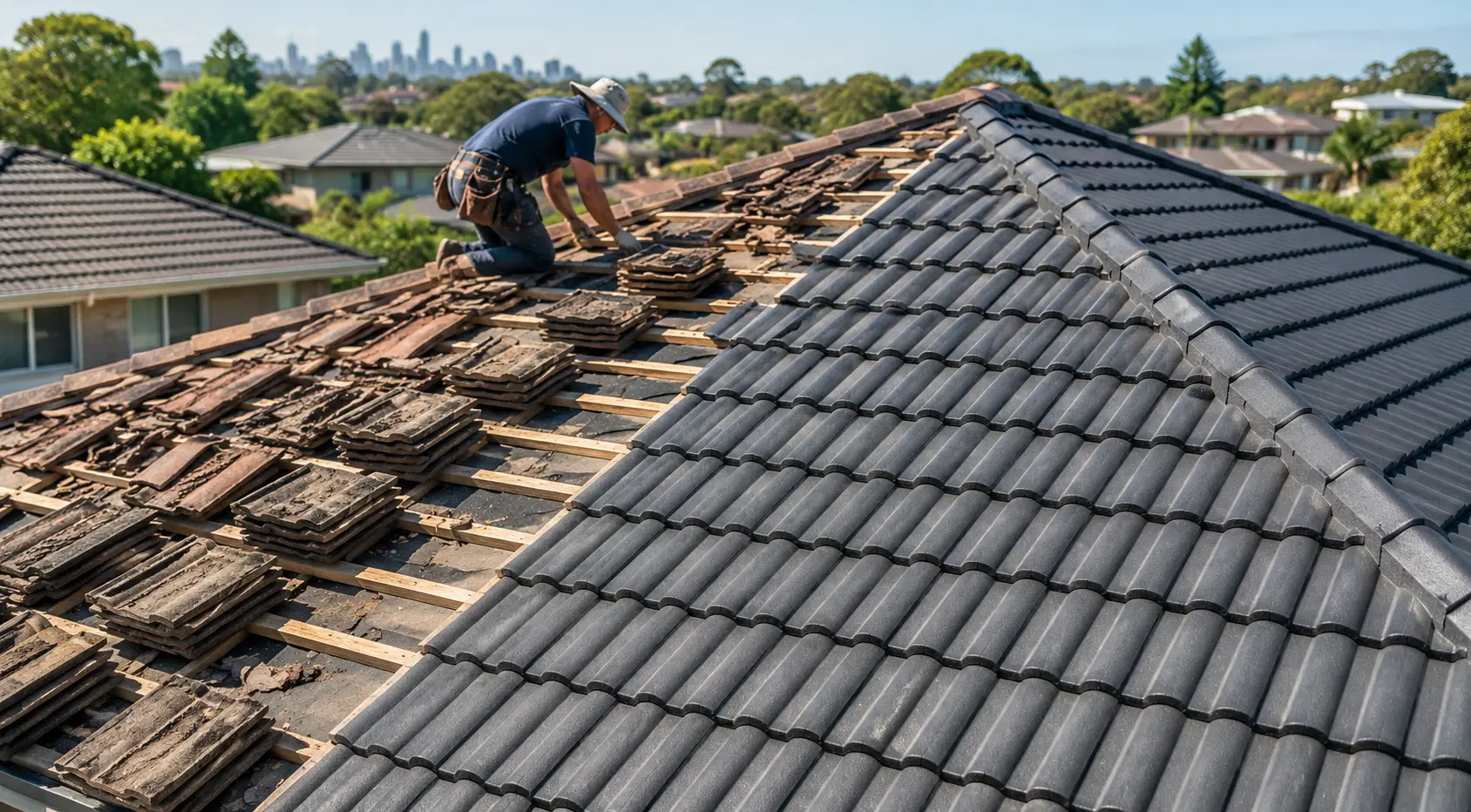
Consider a typical Brisbane family home with an ageing tiled roof, faded ridge work and several cracked tiles following storm season. The homeowner may want a more modern appearance without making the roof look out of place in the neighbourhood.
A flat, dark tile could look excellent on a contemporary architectural home but may feel too heavy on a traditional suburban property. A low-profile concrete tile in a mid-tone grey or warm neutral colour could provide a better balance between a modern finish and the existing character of the home.
In this situation, choosing the right product involves more than looking at a brochure. The homeowner should compare physical samples, check the tile profile against the existing roof design and confirm that matching accessories are available.
It is also worth keeping spare tiles for future repairs, particularly in areas exposed to severe weather.
Are Concrete Roof Tiles a Good Choice for Queensland Homes?
Concrete roof tiles can be a practical roofing option for many Brisbane and Queensland properties when they are selected and installed correctly.
They can be suitable for:
– New residential construction
– Re-roofing projects
– Home extensions
– Garages
– Patios
– Targeted roof repairs
However, the right product depends on the individual property. Roof pitch, design, weather exposure, installation method, colour, profile and ongoing maintenance should all be considered before making a decision.
Rather than treating roof tiles as a standalone product, think about the entire roof system and how all the components work together.
Get the Right Concrete Roof Tiles for Your Brisbane Project
Choosing concrete roof tiles in Brisbane becomes easier when you start with the requirements of your actual property.
Before contacting a supplier, gather your roof plans, measurements, photos and ideas for the profile and colour you prefer. Then ask about suitable tile options, installation components, availability and delivery requirements.
If you are unsure where to start, ask your supplier to show you different profiles and finishes. You can then narrow down your choices based on your home’s design, project budget, installation requirements and roofing professional’s advice.
The right combination of tile profile, finish, complete roof system and supplier support can help you create a roof that looks right for your home while making the installation and future maintenance easier to manage.
Request a Concrete Roof Tile Quote in Brisbane
Ready to compare your options? Contact a local Brisbane concrete roof tile supplier with your property suburb, roof type, preferred style and project timeline.
Whether you are building, renovating or replacing damaged tiles, a clear conversation with your supplier can help you identify suitable profiles, finishes and accessories before placing your order.