Step 1: Check Export Readiness
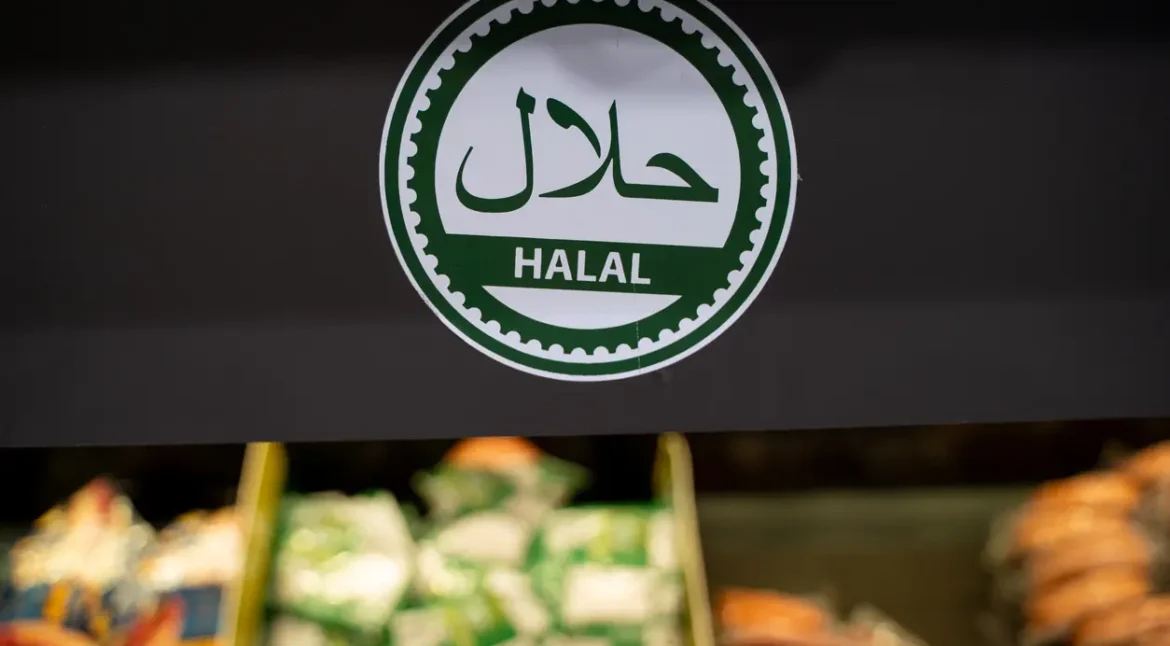
Before approaching any international buyer, a brand needs a clear picture of its own readiness: Does the product hold ISO, HACCP, or Halal certification? Is the packaging suitable for a 30–45 day sea freight journey? Is the shelf life long enough to survive distribution and retail turnover in the destination country?
Siam Signature works with brands at this stage to identify gaps before they become deal-breakers with an overseas retailer.
Step 2: Choose the Right Target Market
Not every market is the right first step. A brand exporting spicy curry pastes may find faster traction in markets with existing Southeast Asian communities, while a brand with mild, familiar flavors like coconut water or fruit juice may find broader appeal across GCC retail. This is where market selection intersects directly with how to export food from Thailand to Middle East successfully — matching the product profile to real consumer demand rather than exporting opportunistically.
Siam Signature’s regional presence across Asia and the Middle East provides the ground-level insight brands typically lack on their own: what’s selling, what shelf space is available, and which retail formats (hypermarket, specialty grocer, foodservice) suit the product best.
Step 3: Partner with a Verified Export and Distribution Network
This is the step where most independent brands get stuck. Securing halal certification, arranging freight, negotiating with a Saudi or GCC distributor, and managing documentation simultaneously is quite challenge for a small or mid-sized producer working alone.
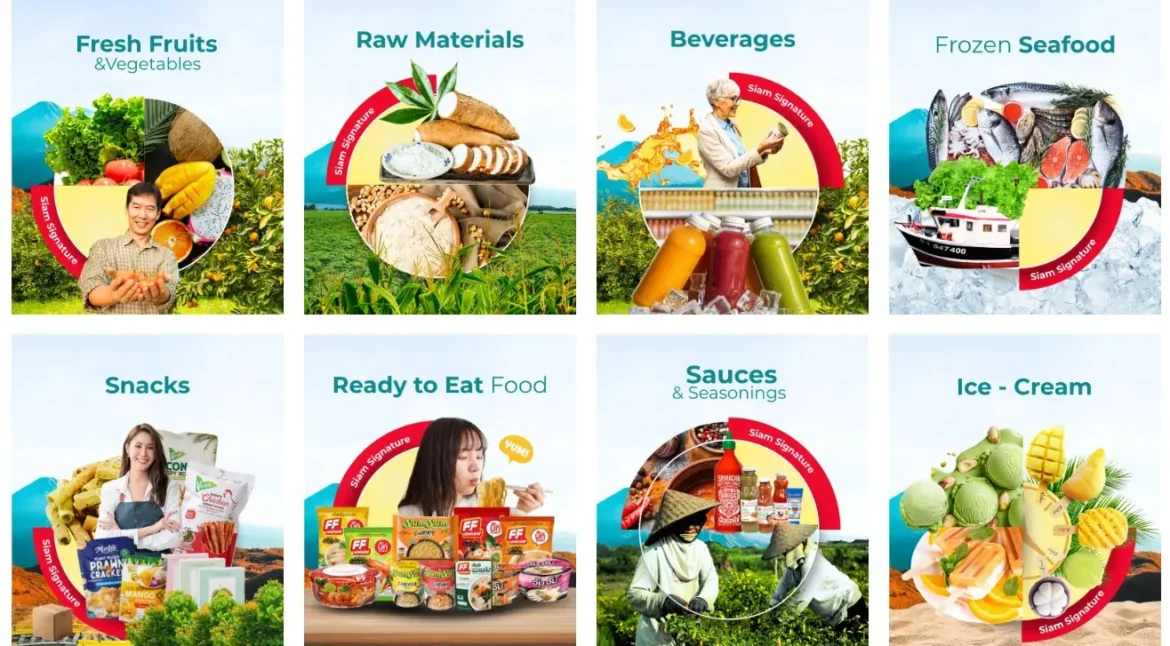
An export partner for Thai food products solves this by acting as a single point of coordination. Siam Signature, as the food and beverage brand under SCG International, positions itself as a one-stop sourcing and distribution partner — meaning a brand doesn’t need a separate certifier, a separate freight forwarder, and a separate distributor relationship. One partner manages compliance, consolidation, and retail introductions together, functioning as a genuine international distribution partner F&B Thailand producers can rely on for the full journey, not just the shipping leg.
Step 4: Prepare Export-Ready Packaging and Compliance Documentation
Packaging that works for a Bangkok convenience store rarely works unchanged for a Gulf hypermarket. Export readiness typically requires:
– Proper language labeling alongside English and Thai
– Nutritional information formatted to the destination market’s standards
– Halal certification clearly displayed where applicable
– Barcode and traceability information suitable for large retail chains
Siam Signature supports brands through this transition with complete certifications, packaging, and labeling guidance — removing the guesswork of what a Saudi or GCC retailer will actually accept at the loading dock.
Step 5: Consolidate Shipments to Make Freight Economical
Shipping a single container of one product from Thailand is often not cost-effective for a growing brand. Siam Signature consolidates multiple suppliers and product categories under one shipment, spreading freight costs and simplifying customs clearance. This consolidation model is central to building a functional end-to-end food supply chain — rather than a brand absorbing the full cost and complexity of shipping alone.
Step 6: Enter the Market Through the Right Retail or Foodservice Channel
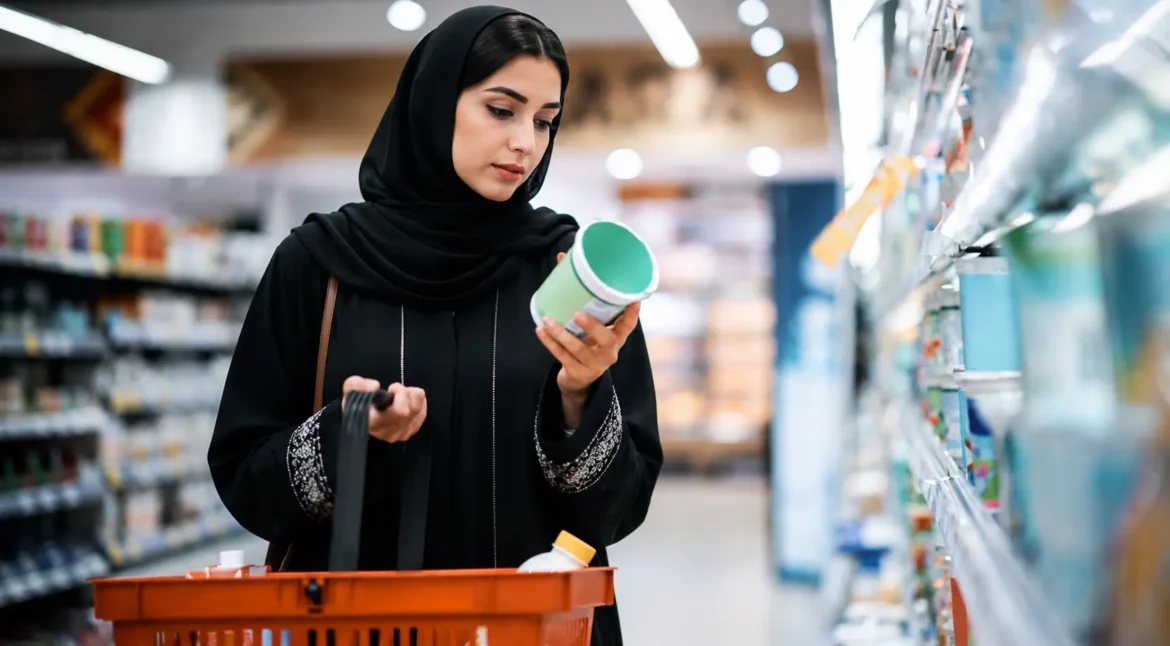
The final and most decisive step is retail or foodservice placement — and this is where relationships matter more than paperwork. Siam Signature leverages its regional network to match brands with the right importers, distributors, and retailers, informed by an understanding of local demand, shelf preferences, and category positioning.
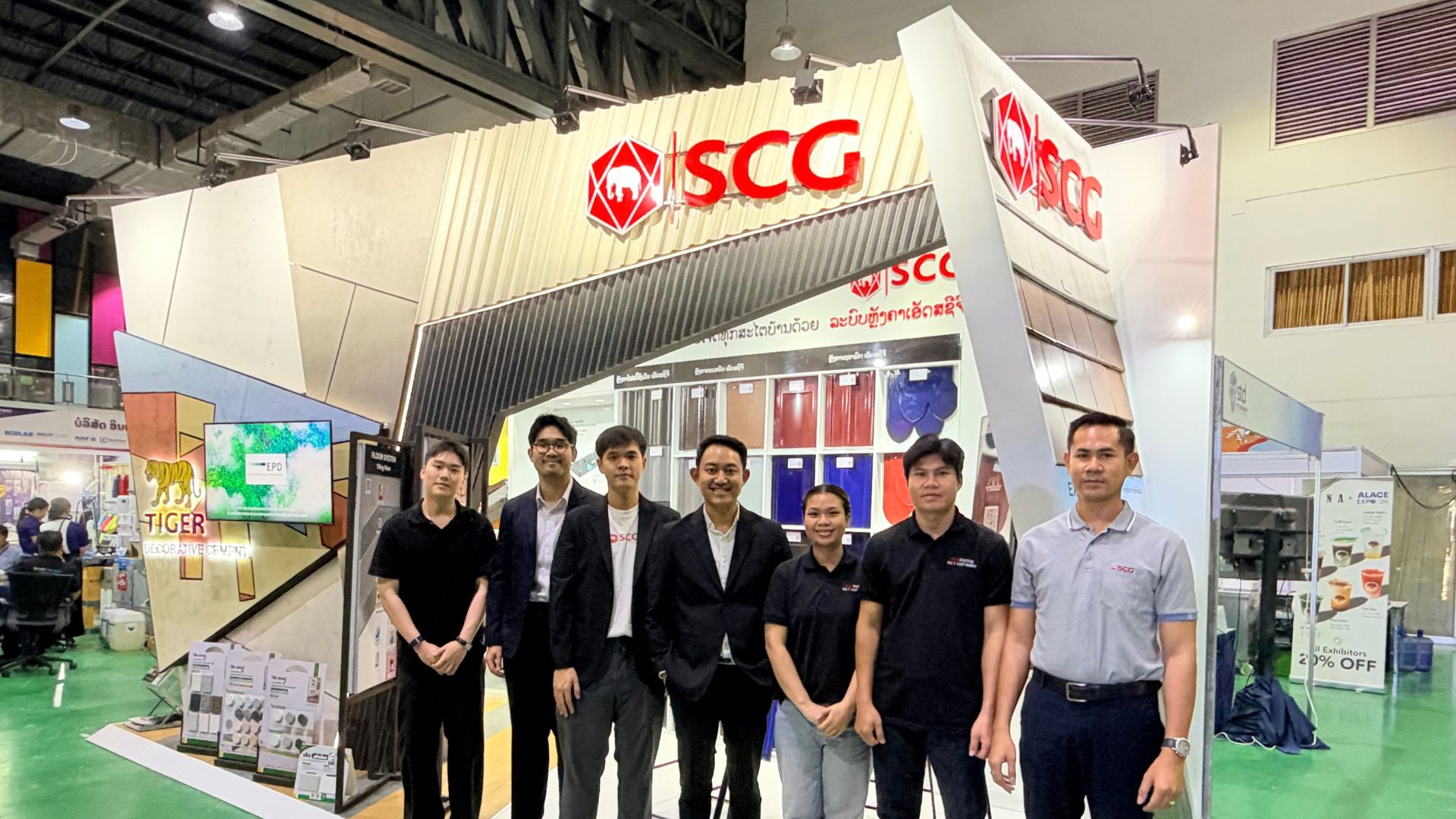
This step is best illustrated by Siam Signature’s own track record: the brand’s introduction of Thai food and beverage products at Tamimi Markets in Saudi Arabia demonstrates exactly how a curated, well-supported product range can move from a Thai production line onto real Gulf retail shelves. Likewise, Siam Signature’s participation in the TME Forum: Thailand–Saudi Bridge, Vision 2030 reflects the kind of sustained, relationship-driven market presence that individual brands struggle to build without local support — and its participation in Thaifex Anuga Asia showcases how visibility at major trade exhibitions turns into long-term distribution conversations rather than one-off introductions.
Step 7: Maintain Consistency
Getting a product onto shelves is a milestone, not the finish line. International retailers expect consistent quality, reliable reorder timelines, and dependable supply — inconsistency is one of the fastest ways a new product gets delisted. A long-term food export business partner Thailand to GCC brands can lean on provides ongoing logistics support and quality assurance, helping sustain the relationship well beyond the first shipment.