Search

Top Concrete Roof Tile Profiles in Australia: Jewel C, Sadie E, True Flat

Share this post :

Facebook
LinkedIn
SCG Concrete Roof Australia Jewel C Series

Key takeaways

Jewel C is the bold, classic option

its high-wave shape creates deep shadow lines for strong street appeal and traditional character.

Sadie E is the versatile middle ground

a softer curve that suits both updated brick homes and modern builds without overpowering the facade.

True Flat delivers a slate-style, minimalist look

crisp lines and reduced visible seams, best for contemporary architecture.

Storm performance differs by profile

wavier tiles (Jewel C, Sadie E) shed heavy rain quickly and are more forgiving in wind-driven rain; True Flat relies more on correct detailing.

Pitch and installation requirements matter

Jewel C/Sadie E generally work with sarking, while True Flat typically needs a steeper pitch plus careful headlap/interlocks to stay watertight.

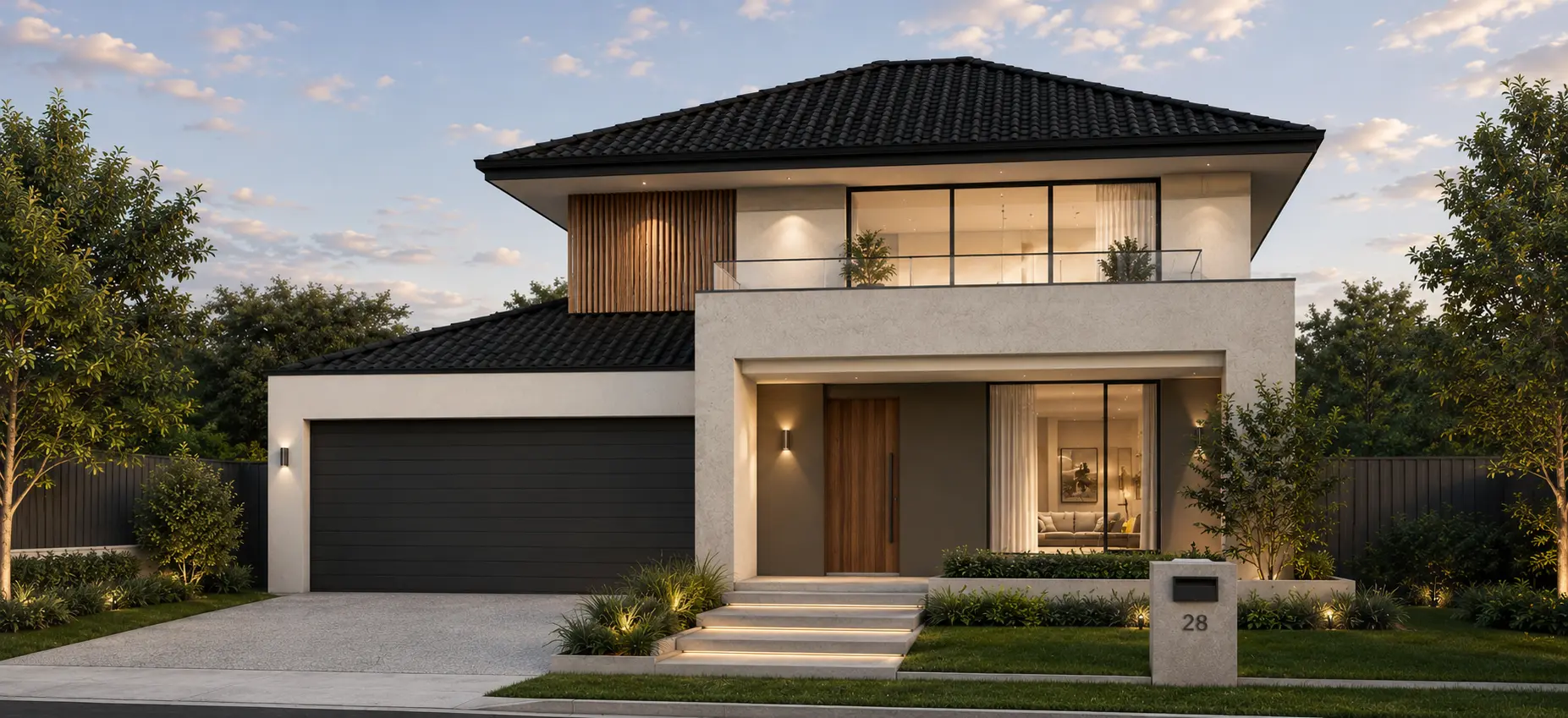
Choosing a roof isn’t just about keeping the rain out; it is the “handshake” your house gives to the street. While you might naturally focus on paint colors or front doors, your roof makes up nearly half of your home’s exterior visual space. Because it dominates the skyline, the geometric shape—or profile—of your tile actively drives your overall curb appeal. This visual guide compares Concrete roof tile profiles in Australia: Jewel C vs Sadie E vs True Flat (SCG) so you can see exactly how each profile reads from the street.

Among the concrete roof tiles types offered by SCG, three distinct personalities define the current lineup. Jewel C delivers classic, bold waves that cast deep, traditional shadows across the roofline. Stepping toward a softer aesthetic, Sadie E offers elegant, subtle curves that smoothly bridge heritage and contemporary styles. For a sleek, minimalist finish, the True Flat mimics a smooth slate tablet, keeping architectural lines sharp and modern.

According to local building data, concrete remains one of the most trusted roofing materials Australia relies on to battle our harsh sun and sudden storms. As part of practical concrete roofing solutions, the physical geometry of these heavy-duty tiles dictates how effectively they channel heavy rainfall away from your ceilings. This means your aesthetic selection actively determines the long-term weather defense of your property.

Picture a renovator torn between transforming an older brick property into a coastal Hamptons retreat or a sleek modern home. By simply swapping a highly textured, wavy tile for a smooth, flat shape, they instantly modernize the entire facade. Understanding how concrete roof tile profiles in Australia transition from purely visual preferences into functional barriers helps you confidently choose the perfect match for your build.

Why the Jewel C Profile is the Go-To for Traditional Australian Charm?

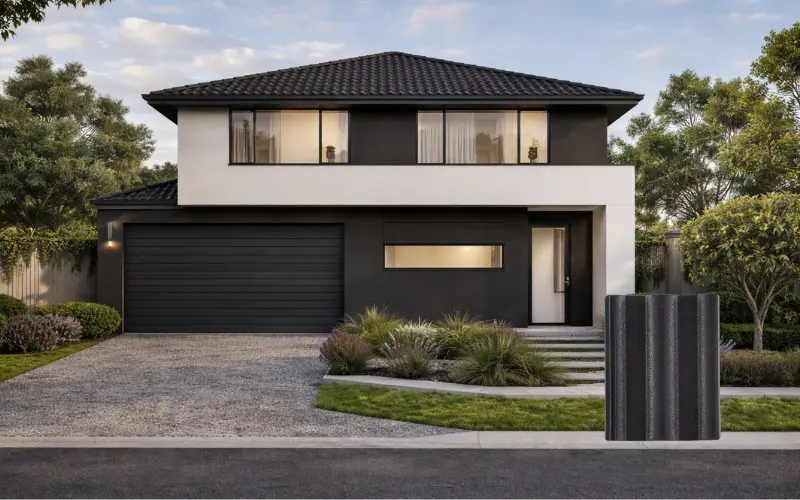
Concrete Roof tiles Melbourne Jewel C Series
SCG Jewel C Series

If you love the textured look of traditional corrugated tiles but want the structural strength of concrete, the Jewel C is a natural starting point. This specific shape features a bold, high curve that resembles the gentle roll of an ocean wave, giving your roof a distinct and classic silhouette.

That pronounced curve does more than just catch the eye; it actively shapes the character of your home through something builders call shadow lines. As the harsh Australian sun moves across the sky, the deep valleys of the tile cast dark, shifting shadows against the raised peaks. This interplay of light and dark gives the entire roof incredible visual depth, making even the simplest house facades look far more dynamic and premium.

In addition to its striking appearance, this high-wave geometry serves a critical protective function when the storm season hits. Because the valleys in the Jewel C profile design are so deep, they dramatically increase the water channeling velocity during a downpour. Simply put, these steep curves force heavy rainwater to rush off the roof much faster, preventing moisture from creeping under the overlaps and making these durable roof tiles incredibly reliable in high-rainfall zones.

Matching this bold shape to the right architecture is the secret to locking in your home’s street value. The prominent texture pairs beautifully with house designs that need a strong visual crown, specifically:

– Modern Hamptons: The rolling waves perfectly balance out crisp white weatherboards and thick coastal trims.

– Mediterranean: The deep shadows mimic classic terracotta styling, providing that coastal European charm.

– Federation-inspired: The rich, heavy texture naturally complements intricate brickwork and heritage color palettes.

While the dramatic shadows and rapid water runoff of the Jewel C make it a favorite for traditional builds, some homes call for a slightly softer touch. Exteriors leaning toward a more understated aesthetic require a profile that maintains these practical benefits without such a prominent wave.

How the Sadie E Profile Balances Modern Elegance with Practical Maintenance?

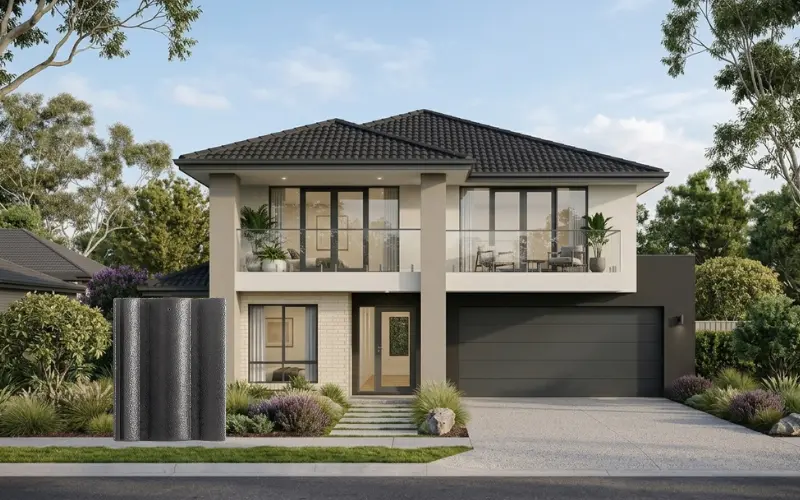
SCG Concrete Roof tiles Sydney Sadie E Series
SCG Sadie E Series

Finding the sweet spot between a traditional textured roof and a completely smooth one is a common challenge for many renovators. If you appreciate the subtle rhythm of a wavy roof but feel the deep shadows of the Jewel C might overwhelm your home’s facade, the Sadie E roof tiles offer the perfect middle ground. This profile is what designers call a transitional tile, meaning it gently blends classic curves with a more streamlined, contemporary silhouette.

The beauty of this softer wave lies in its incredible architectural versatility across Australian neighborhoods. Instead of dominating the street view with heavy, rolling peaks, the subtle ripple of this profile adds just enough texture to prevent a roof from looking like a plain concrete slab. This makes it an incredibly safe and stylish choice whether you are updating a classic brick veneer home or putting the finishing touches on a newly rendered, minimalist build.

Alongside its architectural versatility, that shallower curve solves a major headache for anyone living near gum trees or in leafy suburbs. Deep tile valleys can sometimes act like catch-basins for falling twigs and foliage, but the gentle slopes of the Sadie E profile significantly improve your home’s leaf debris management. Because the channels are shallower and wider, the wind can easily sweep dried leaves right off the roof rather than allowing them to pile up in tight grooves.

This smart geometry does more than just keep the sweeping to a minimum; it actively helps modern concrete tiles stay looking pristine for longer. When a heavy storm rolls through, the rainwater flows evenly across the gentle curves, acting like a natural wash cycle that prevents dirt and grime from settling into harsh corners. As a result, you spend less time worrying about how to maintain appearance and more time simply enjoying the polished look of your home.

While this delicate balance of subtle texture and easy upkeep makes the Sadie E a crowd favorite, ultra-modern geometric houses or heritage stone replications demand something even sharper. Removing the wave entirely provides crisp, uninterrupted lines that completely modernize a minimalist facade.

Achieving the Designer Slate Look with SCG True Flat Tiles

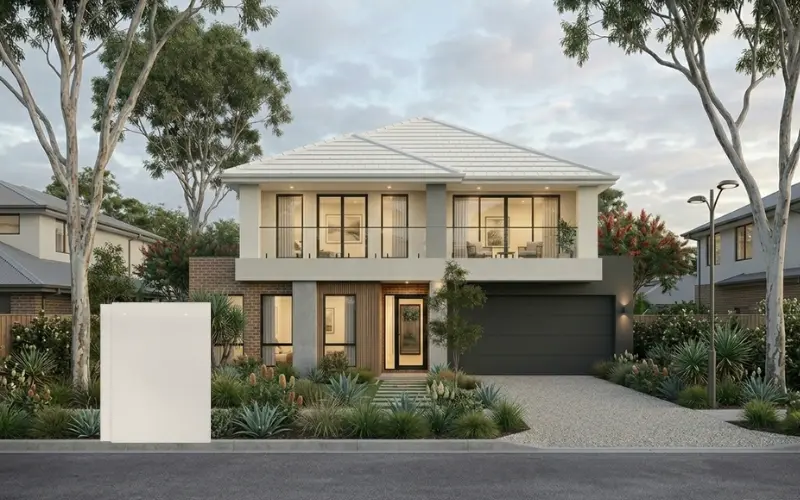
SCG Concrete Roof tiles Brisbane True Flat Series
SCG True Flat Series

Transforming a facade with crisp, uninterrupted lines is the ultimate goal for minimalist builds. While natural stone was once the gold standard, when it comes to modern flat concrete roof tile aesthetics Australia has a highly accessible alternative. The SCG True Flat profile acts as premium slate-look tiles, delivering a sophisticated finish without the astronomical price tag or the structural burden of heavy natural stone.

Creating this continuous surface relies on clever manufacturing rather than just flattening a standard mold. Instead of obvious ridges casting heavy shadows, interlocking flat tile profiles feature edges specifically designed to sit completely flush. This precise geometry visually erases vertical seams across your roof, tricking the eye into seeing a single, seamless architectural sheet rather than thousands of individual concrete pieces.

Because these tiles lack the deep waves that normally channel rainwater, they rely on hidden mechanics to keep your home dry. This protection depends heavily on headlap (the crucial overlap where a top tile covers the one beneath it) and hidden interlocking water-courses (concealed drainage channels built into the tile’s edge). Together, they act like an invisible internal gutter system, catching and guiding away any wind-blown rain that sneaks under the surface.

To ensure this smooth barrier performs flawlessly, an SCG True Flat tile installation demands slightly stricter rules compared to traditional wavy profiles:

– Sarking: A protective foil layer underneath is absolutely mandatory to catch moisture, a crucial step that older wavy roofs sometimes skipped.

– Headlap: Flat tiles require an extended overlap to stop water from blowing upward during severe storms.

– Pitch: They generally need a steeper minimum roof angle to ensure rapid water runoff from the smooth, flat surface.

Nailing these structural details guarantees your sleek roof remains perfectly watertight for decades. However, removing the traditional wave shape fundamentally changes how fast heavy rain escapes during a sudden downpour, requiring careful evaluation of drainage and pitch limits for stormy regions or gently sloping roofs.

Which Profile Handles the Storm? Comparing Drainage and Pitch Limits?

A summer storm quickly shifts your priorities from curb appeal to weather protection. Your roof tile’s physical shape determines how fast a sudden downpour escapes. Because the Jewel C features a high, sweeping wave, it boasts immense water course capacity to rapidly channel heavy rain. In the landscape of Australian roof tiles, this makes deeply curved profiles the SCG roof tile best for rain in tropical areas. Conversely, the sleek True Flat profile lacks deep valleys, meaning water spreads wider and drains slightly slower.

Coastal gusts and high winds test your home differently. Wind-driven rain penetration happens when severe drafts push water upwards, attempting to force it underneath your overlaps. To prevent water leakage, flat roof tile installations rely heavily on steep slopes and protective foil sarking. Wavy tiles feature deeper interlocking side channels to trap sideways moisture, making them incredibly forgiving in high-wind exposure zones where rain rarely falls straight down.

These distinct drainage speeds dictate each profile’s minimum pitch—the lowest safe angle your roof can be built before water starts backing up. For modern, low pitch roofs, you must match the tile’s shape to the correct angle.

Matching your selected profile to the right roof slope ensures water sheds seamlessly instead of pooling. In addition to weather defense, strict local rules specify how these materials must be secured to guarantee your roof safely handles the elements according to national roofing standards.

Ensuring Long-Term Performance: AS 2050 Standards and Weight Considerations

Before your chosen profile is even lifted onto the battens, you must consider the physical load it places on your home. Because concrete is inherently dense, managing concrete roof tile weight is a critical part of the build. Upgrading to a sleek True Flat or wavy Jewel C creates a direct house framing impact, requiring builders to confirm your timber trusses are engineered to carry this structural load-bearing material safely.

Securing this heavy protective layer correctly is just as crucial as the timber supporting it. To guarantee your roof withstands extreme weather without tiles shifting, installation must strictly adhere to AS 2050 standards. Verifying your contractor follows these mandatory national codes ensures your home remains structurally safe while protecting your manufacturer warranty.

That dense material does more than hold its ground; it actively works to lower your summer cooling bills. Concrete possesses excellent thermal mass, meaning it absorbs daytime heat slowly rather than baking your ceiling cavity. Paired with high solar reflectivity in lighter shades, and backed by impressive SCG concrete roof tile color longevity that resists UV fading, your roof becomes an efficient energy shield.

Knowing your structure is prepared and compliant gives you the confidence to focus fully on design, allowing you to seamlessly balance these invisible mechanical advantages with your desired curb appeal.

The Final Walkthrough: 3 Steps to Choose Your Perfect SCG Tile Profile

Shapes actively define a home’s character. Whether you prefer the bold shadows of the Jewel C, the elegant curves of the Sadie E, or the seamless edge of modern home roofing with the True Flat, selecting the right tile requires practical evaluation.

Use this three-step field test before finalizing your order with your concrete roof tiles supplier:

– Check the color in the midday sun to see how harsh Australian light casts actual shadows across the tile.

– Check the profile against neighboring homes to ensure your choice elevates your street appeal.

– Verify the pitch with a builder to confirm your favorite shape handles water safely on your specific roof slope.

Armed with these physical samples and technical specifications, you can confidently direct your contractor and watch your architectural vision come to life. This approach helps you compare Australian roof tiles with clarity as you finalise your design.

Frequently Asked Questions (FAQ)​

- Jewel C: A bold, high-wave profile that throws deep, dynamic shadow lines for a classic, premium look. Its deep valleys rapidly channel heavy rain, making it very capable in high-rainfall zones.

- Sadie E: A softer, transitional curve that blends heritage and contemporary looks. The shallower, wider channels help shed leaves and let rain “self-wash” the surface, reducing visible grime buildup.

- True Flat: A slate-look, minimalist profile with crisp, uninterrupted lines. It visually minimizes seams via precise interlocks, and relies on headlap, hidden water-courses, sarking, and a steeper pitch for watertight performance.

- Jewel C suits designs that benefit from a strong, textural “crown”: Modern Hamptons (balances white weatherboards and coastal trims), Mediterranean (echoes terracotta character), and Federation-inspired homes (pairs with intricate brickwork and heritage palettes).

- Sadie E works as the safe, versatile middle ground for classic brick veneer updates and clean, contemporary renders where you want texture without heavy shadowing.

- True Flat is ideal for ultra-modern, minimalist or designer “slate-look” projects that prioritize sharp, seamless lines.

- Heavy rain: Jewel C’s deep, sweeping valleys provide the fastest water channeling, making it a standout in tropical/high-rainfall areas. True Flat drains more slowly because it lacks deep valleys.

- Wind-driven rain: Wavy tiles (Jewel C, Sadie E) are more forgiving thanks to deeper side interlocks; True Flat relies more on pitch and sarking.

True Flat tiles use precise headlap and hidden interlocking water-courses that act like an internal gutter to capture wind-blown rain under the surface. Because the profile is flat, installations demand stricter controls: mandatory sarking beneath the tiles, increased headlap, and adherence to a steeper minimum pitch to ensure rapid runoff and prevent back-up during storms.

- Structure and standards: Concrete tiles are heavy; ensure your timber trusses are engineered for the load, and insist on installation to AS 2050 to keep the roof secure and maintain warranty.

- Maintenance: Near leafy areas, Sadie E’s shallower, wider channels shed debris more easily and “self-wash” in rain; deeper waves (Jewel C) can trap more twigs.

- Energy performance and longevity: Concrete’s thermal mass slows daytime heat gain, helping summer comfort. Lighter, high-reflectivity colors further reduce heat, and SCG’s color longevity helps resist UV fading over time.

- Final checks: Use on-site samples to view midday shadowing, compare with neighboring roofs for street appeal, and verify roof pitch matches the chosen profile’s requirements.

Related Posts

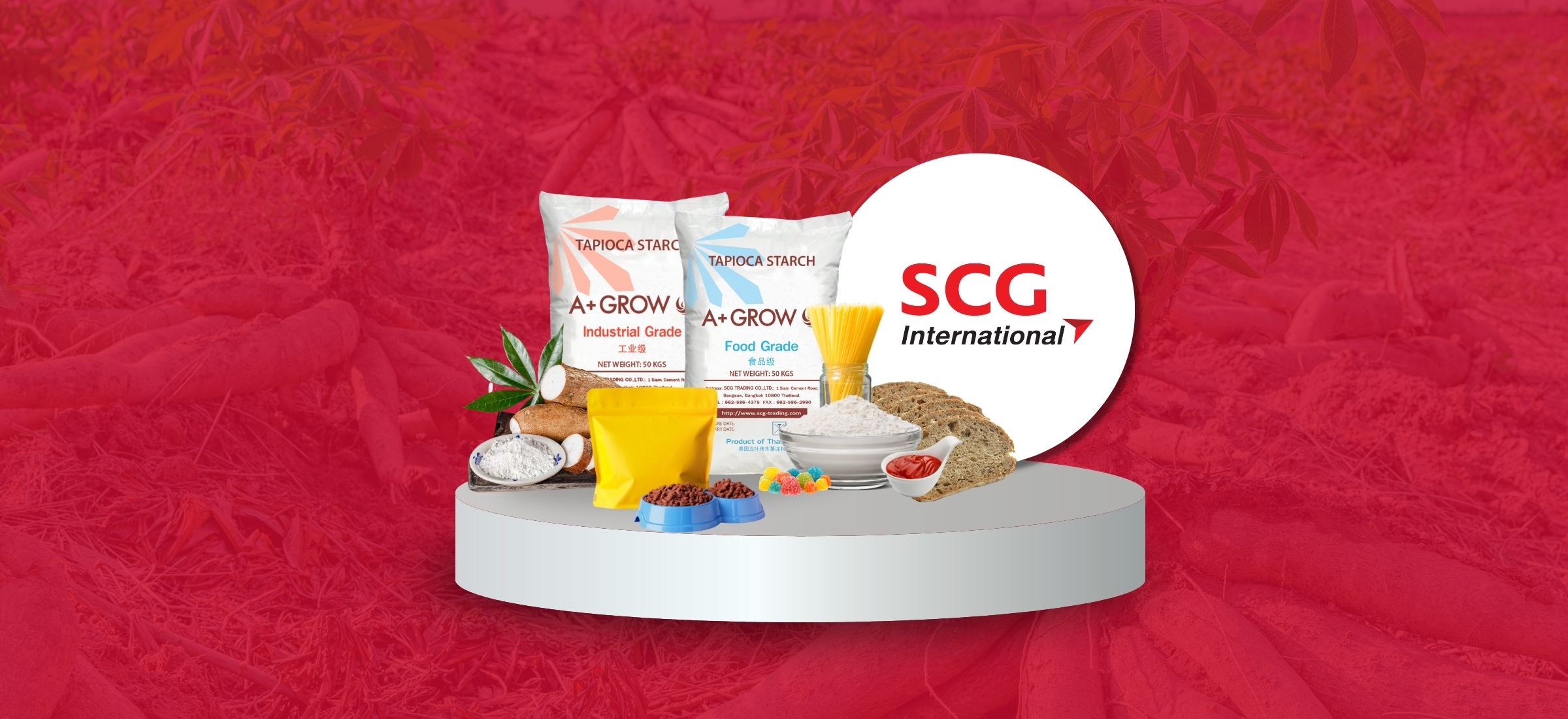
Tapioca and corn starch supplier from scg international

Driving Starch Procurement with Comprehensive Supply Chain Solutions

Starch is a key raw material used to produce products in various industries, especially tapioca starch, which plays an important role in the production of adhesives, textiles, biodegradable materials, and paper, as well as in food products like pasta, snacks, instant foods, semi-finished foods, sweeteners, and even medical products.
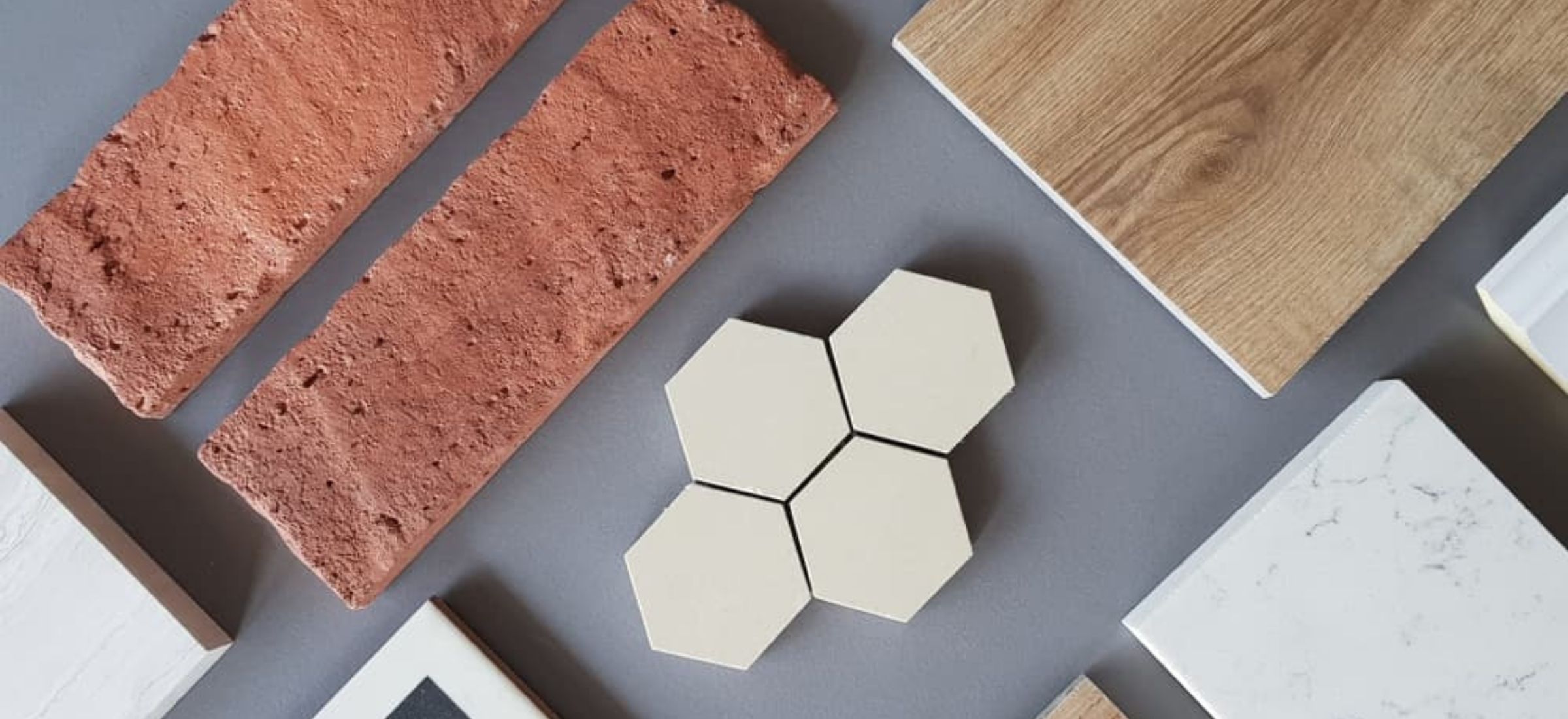
Different types of flooring laid out on display

Solve Flooring and Tile Procurement Issues with Our Supply Chain Solutions

Although the flooring and tile industry has shown continuous growth post-pandemic, driven by increased investment in both public and private construction projects, as well as rising home renovation demands, businesses still face intense competition. This includes competing on material quality, offering a wide range of choices to customers, and competing against low-quality, low-priced products. Construction businesses cannot gain a competitive edge over others without a robust and comprehensive supply chain for flooring and tiles.
I’m Here To Assist You

Contact us today

Please read Terms and Conditions, Privacy Notice, Cookies Notice, and I
I acknowledge that I can withdraw the given consent at any time, and I have understood the terms and conditions and how my personal data is processed.